
FTC and eight states sue Toast over hidden fees and difficult cancellations
The US Federal Trade Commission (FTC) and eight states have filed a lawsuit against Toast, a restaurant software and payments provider, alleging hidden fees, unauthorized charges, and a cancellation process designed to trap customers. Toast has denied the allegations and announced plans to fight the case in federal court.

Editor, Lazyfounder
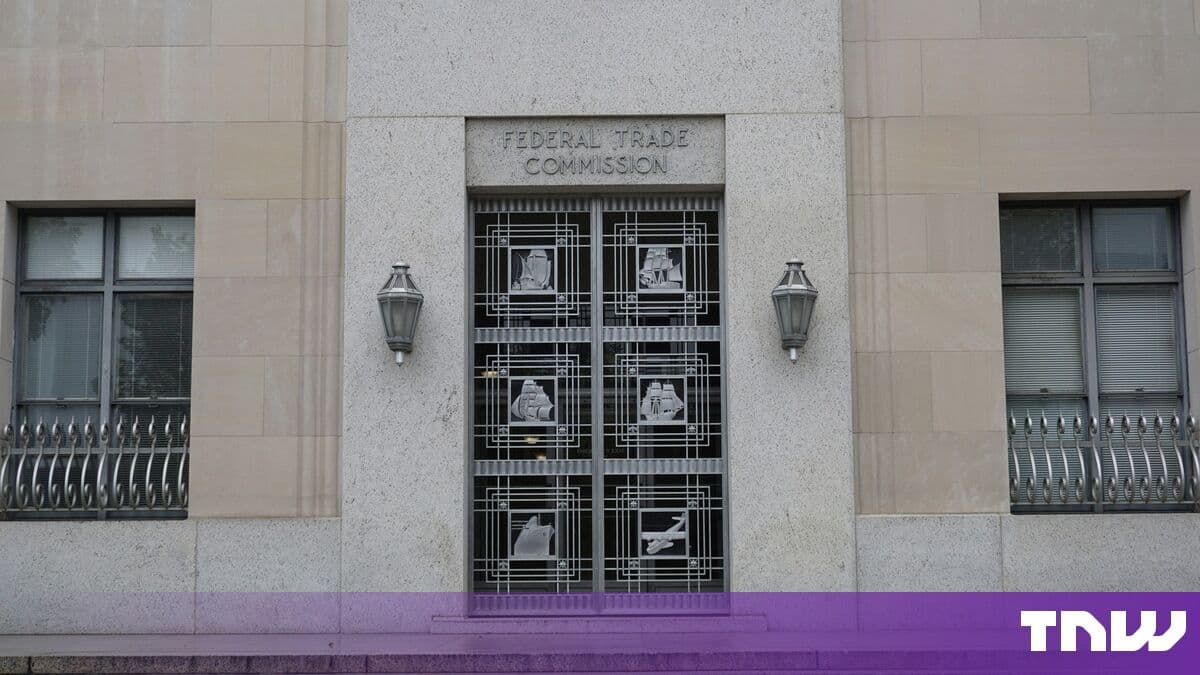
TABLE OF CONTENTS
Allegations of hidden fees and unauthorized charges
The FTC and eight states—Colorado, Florida, Illinois, Iowa, Nebraska, Oklahoma, Utah, and California (through Los Angeles County and San Francisco)—have sued Toast in federal court in Northern California. The lawsuit alleges the company engaged in deceptive practices, including hidden fees, unauthorized add-ons, and a cancellation process that forces customers to pay steep penalties or continue subscriptions against their will.
According to the complaint, Toast’s average subscription costs around $900 per month and auto-renews by default. While the company advertises a "$0" plan, the FTC alleges that customers are eventually required to pay for hardware either by processing payments within 120 days or returning the equipment. Restaurants that temporarily close still incur an $85 monthly fee for payment processing, and those who cancel early face an undisclosed fee of $150 for each remaining month on their contract.
The lawsuit also highlights a $0.99 fee added to online orders above $10 between 2021 and 2023, which was not properly disclosed to diners or restaurant owners. One customer was charged a $5,318.87 early termination fee after canceling a four-year contract, which Toast refused to refund.
Cancellation hurdles and customer complaints
The FTC alleges Toast makes cancellation difficult by requiring customers to provide 30 days’ written notice of their "intent not to renew," a condition the agency says is not clearly disclosed at sign-up. Some customers who attempted to cancel received no response and were charged repeatedly. Others reported struggles to reach Toast’s 24/7 support, despite the company’s promise of round-the-clock assistance.
Customers with Toast Capital loans face additional pressure: canceling or switching providers triggers a default, requiring immediate repayment of the full loan balance. The FTC states that tens of thousands of consumers have complained about Toast’s practices.
Toast’s response and legal strategy
Toast has rejected the allegations, arguing that the FTC is overreaching in its interpretation of the Restore Online Shoppers’ Confidence Act (ROSCA). The company claims ROSCA does not apply to contracts negotiated directly with restaurants. Toast also stated it has cooperated with the FTC’s review since mid-2025 and attempted to settle without litigation.
The company reported $6.153 billion in revenue for 2025, with approximately 82% derived from payments and loans. Toast claims nearly 200,000 restaurant locations as customers, though the FTC’s complaint cites a lower figure of 156,000.
FTC’s demands and legal counts
The FTC and states are seeking a permanent injunction to halt Toast’s practices, restitution for affected customers, and civil penalties under state laws. The complaint includes 21 counts under the FTC Act, ROSCA, and state consumer protection laws.
What this means
Lazyfounder analysis — our interpretation, not reported fact.
This lawsuit signals heightened scrutiny of subscription-based business models, particularly in industries like restaurant software and payment processing, where auto-renewals, hidden fees, and cancellation hurdles are common. For founders and operators, the case underscores the risk of regulatory action when transparency and consent are not prioritized in customer agreements. The FTC’s focus on Toast’s alleged failure to disclose fees—such as the $0.99 online order charge—reinforces the need for clear, upfront communication about pricing and contract terms. Startups in similar sectors may need to review their own practices to avoid comparable legal challenges.
Related on Lazyfounder
Sources
- The Next Web · 2026-10-29
FTC and eight states sue Toast over hidden fees and hard-to-cancel plans
This story is an original summary drafted with AI by Lazyfounder from the reporting listed above and checked by automated validation. Facts are attributed to their original publishers; sections marked as analysis are Lazyfounder's. Where a source is in another language, facts were machine-translated and quotations are reported, not reproduced. Read the original coverage via the links, and see our AI policy and corrections policy.

About the author
Editor, Lazyfounder
Tarun Mottlia edits LazyFounders, covering Indian startups, funding rounds, AI and product launches. Every story on the site is AI-assisted and checked against its cited sources before publication.
More stories by Tarun MottliaGet the LazyFounder Brief
Startup, funding and AI news in a five-minute read. Join the early-access list.
