
Department of Education criticized for allegedly promoting extremist-linked Harry Potter meme
The U.S. Department of Education is facing criticism for allegedly using imagery linked to the 'Malfoid' meme, a right-wing fan fiction concept tied to toxic and extremist ideologies. The meme, which originated in radicalized online communities, has raised concerns about the adoption of fringe internet symbols by government institutions.

Editor, Lazyfounder
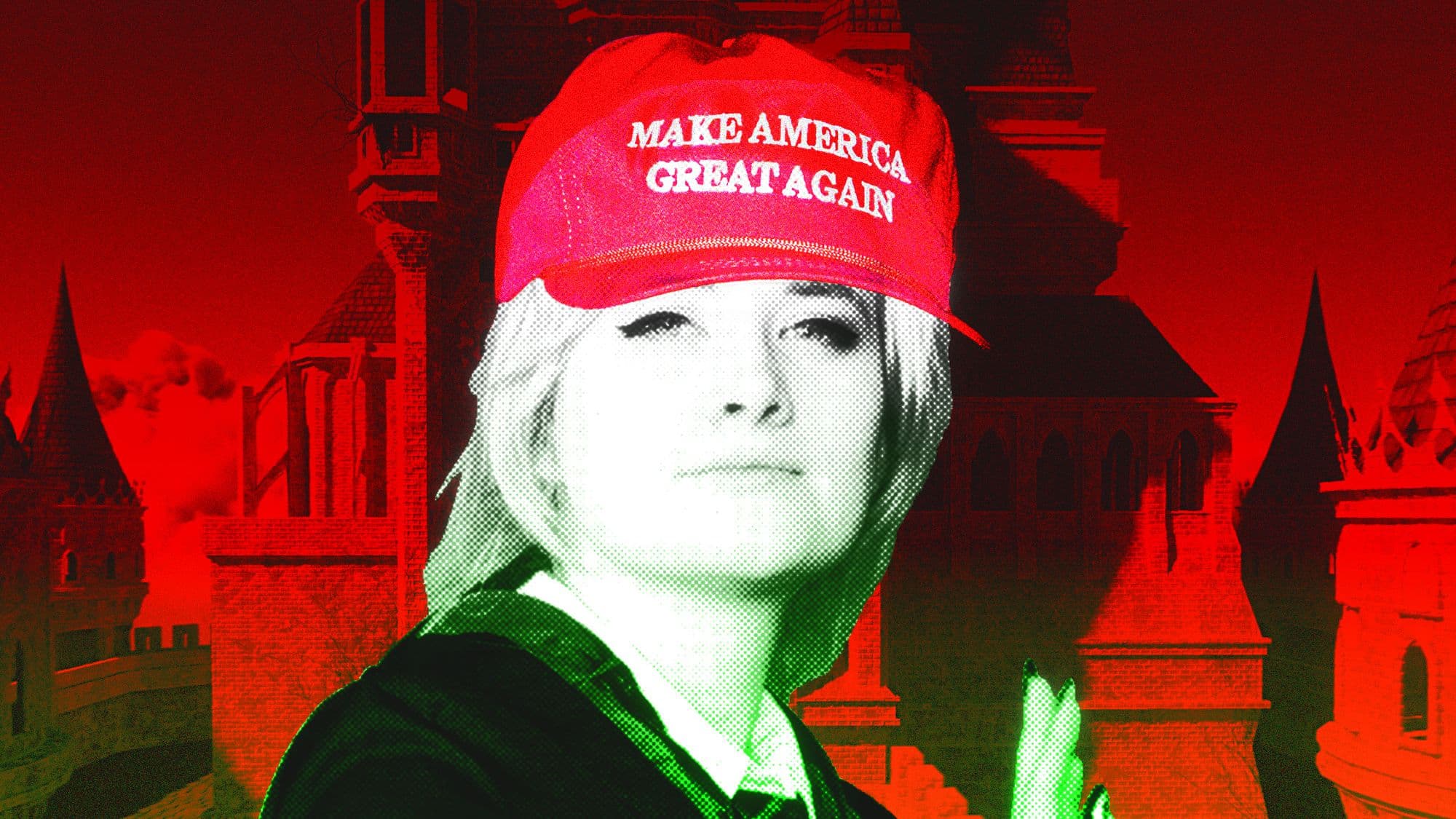
TABLE OF CONTENTS
What is the Malfoid meme?
The 'Malfoid' meme emerged from fan fiction communities, particularly on platforms like Archive of Our Own (AO3), as a right-wing reimagining of Draco Malfoy from the 'Harry Potter' series. The character is depicted as a female counterpart, often romanticized in ways that align with far-right aesthetics, including white supremacy and anti-trans sentiments.
The term itself combines 'Malfoy' with 'foid,' a derogatory incel slang term for women. In Malfoid fan fiction, Draco Malfoy’s bigotry is repackaged as an aspirational trait, blending elitism and conservative ideals into a visually appealing internet aesthetic.
Why the controversy?
The Department of Education reportedly incorporated imagery resembling the Malfoid meme in its communications. Critics argue this signals a troubling overlap between extremist online subcultures and government messaging. Communications professor Leslie Hahner warned that such symbols can normalize toxic ideologies, blurring the line between internet fandom and political propaganda.
The Department’s response to criticism—quoting Albus Dumbledore—has also drawn attention for its tone-deafness, highlighting a disconnect in cultural literacy among public institutions.
Broader context of internet tropes in politics
The controversy reflects a broader trend where political operatives leverage niche internet tropes to mobilize young voters. Unlike traditional ideological messaging, these tropes rely on hyper-specific, often aesthetic-driven narratives that resonate with online communities. As one claim put it: 'Political reality is now executing the tropes of the internet, rather than the internet reflecting political reality.'
Figures like Peter Thiel and Elon Musk have previously co-opted cultural symbols, such as those from 'The Lord of the Rings,' to align with their political ideals. The Trump administration similarly normalized meme-based communication, further eroding the boundary between digital subcultures and mainstream governance.
What this connects to
This story intersects with earlier reporting on how fringe internet communities shape digital culture. For example, AO3, the fan fiction platform tied to the Malfoid meme’s origins, recently faced a weeks-long outage due to maintenance, disrupting access for millions of users. Meanwhile, platforms like Reddit and X continue to experiment with monetization strategies, often blurring the line between user-generated content and algorithmic amplification.
These developments underscore how online spaces—whether fan fiction archives or social media platforms—can incubate ideologies that later seep into broader discourse, including government communications.
What this means
Lazyfounder analysis — our interpretation, not reported fact.
For founders and operators, this controversy is a reminder of how quickly internet subcultures can influence public institutions—and the risks of adopting symbols without understanding their origins. Brands and organizations must navigate digital spaces with heightened cultural awareness, particularly when engaging with viral trends or memes. Missteps can lead to reputational damage, especially when extremist or toxic ideologies are inadvertently amplified.
Related on Lazyfounder
Sources
- WIRED · 2026-10-30
It Sure Looks Like the Department of Education Is Promoting a Right-Wing ‘Harry Potter’ Meme
This story is an original summary drafted with AI by Lazyfounder from the reporting listed above and checked by automated validation. Facts are attributed to their original publishers; sections marked as analysis are Lazyfounder's. Where a source is in another language, facts were machine-translated and quotations are reported, not reproduced. Read the original coverage via the links, and see our AI policy and corrections policy.

About the author
Editor, Lazyfounder
Tarun Mottlia edits LazyFounders, covering Indian startups, funding rounds, AI and product launches. Every story on the site is AI-assisted and checked against its cited sources before publication.
More stories by Tarun MottliaGet the LazyFounder Brief
Startup, funding and AI news in a five-minute read. Join the early-access list.
