
Frozen yoghurt makes a comeback in the UK: Nostalgia meets premium pricing
Frozen yoghurt is making a comeback in the UK, with new brands launching in London and expanding in northern England. Driven by nostalgia and social media, the trend is raising questions about sustainability, particularly as prices reach £12 per tub.

Editor, Lazyfounder
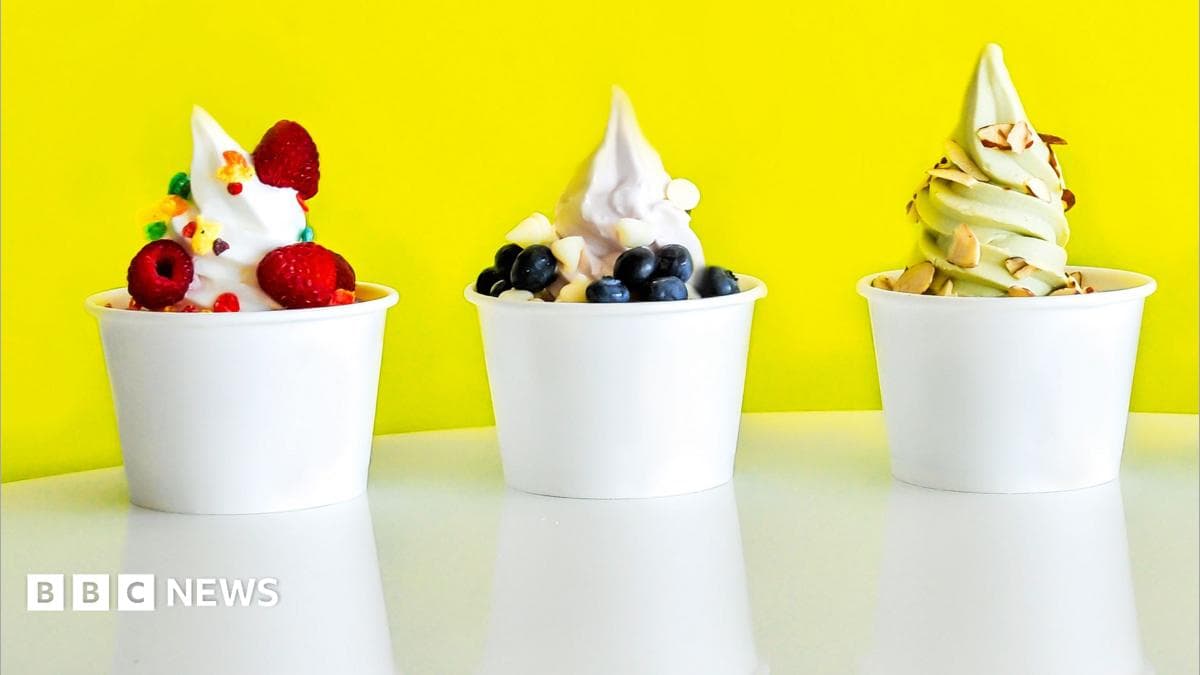
Frozen yoghurt is making a comeback in the UK, with new brands launching in London and expanding in northern England. Driven by nostalgia and social media, the trend is raising questions about sustainability, particularly as prices reach £12 per tub.
30 SEC SUMMARY
- Frozen yoghurt (froyo) is experiencing a resurgence in the UK, particularly in London and northern England, driven by nostalgia and social media trends.
- The trend peaked in the late 2000s and early 2010s but declined due to market saturation and shifting consumer perceptions.
- New brands like Go Greek, Myka, and Yo-Chi have launched in London, while Frurt expands in northern England.
- Prices for froyo tubs have reached as high as £12, raising questions about the trend's long-term sustainability.
- Industry experts describe froyo as an 'affordable luxury' and an 'experiential moment' for consumers.
TABLE OF CONTENTS
- Froyo's comeback in the UK
- The rise and fall of froyo
- A premium experience?
- What this means
- Key takeaways
- FAQ
- Sources
KEY HIGHLIGHTS
- Frozen yoghurt (froyo) is resurging in the UK, particularly in London and northern England, due to nostalgia and social media influence.
- New brands like Go Greek, Myka, and Yo-Chi have launched in London, while Frurt expands in northern England.
- Froyo tubs now cost as much as £12, raising questions about the trend's sustainability.
- The trend peaked in the late 2000s but declined due to market over-saturation and shifting consumer perceptions.
- Industry experts describe froyo as an 'affordable luxury' and an 'experiential moment' for consumers.
Froyo's comeback in the UK
Frozen yoghurt, or froyo, is experiencing a resurgence in the UK, particularly in London and northern England. According to BBC News, the trend, which peaked in the late 2000s and early 2010s, is being revived by nostalgia and the influence of social media.
New brands have emerged to capitalize on this renewed interest. Go Greek, Myka, and Yo-Chi have launched in London, while Frurt, which operates primarily in the north west of England and Yorkshire, has expanded its footprint, including a new store in Leicester.
The rise and fall of froyo
Froyo was a major trend in the UK during its initial peak, with London at the center of its popularity. Chains like Snog reportedly operated up to 10 stores in the city at its height, while AngelBerry had locations in Bristol and Brighton. However, the market became oversaturated, and competition from brands like Yog, Yoomoo, and Pinkberry intensified.
Consumer perceptions also shifted as shoppers began to question whether froyo was a genuinely healthier dessert option. This contributed to the trend's decline in the following years.
A premium experience?
The current froyo revival is marked by steep pricing, with tubs costing as much as £12. Despite this, BBC News reports that hundreds of customers have queued to create their own dessert pots, suggesting strong initial demand.
Industry experts, including Vhari Russell, founder of Food Marketing Experts, describe froyo as an 'affordable luxury' and an 'experiential moment' for consumers. However, the high cost raises questions about whether the trend can sustain itself in the long term, especially in a competitive and economically uncertain market.
What this means
Lazyfounder analysis — our interpretation, not reported fact.
The return of froyo highlights how nostalgia and social media can revive consumer trends, even in saturated markets. For founders in the food and beverage space, this resurgence suggests that tapping into emotional connections—whether through nostalgia or perceived health benefits—can drive demand. However, the steep pricing of £12 per tub raises valid concerns about affordability and long-term viability. If froyo is positioned as an 'affordable luxury,' brands must ensure the experience justifies the cost. Operators should also monitor whether this trend is a fleeting moment or a sustainable shift in consumer behavior, particularly as economic pressures continue to influence spending habits.
Key takeaways
- Froyo is back in the UK, driven by nostalgia and social media, with new brands entering the market.
- Prices for froyo tubs have risen significantly, reaching up to £12, which may impact accessibility.
- The trend's sustainability depends on whether brands can balance experiential appeal with affordability.
- Perceptions of froyo as a healthier dessert option are contributing to its resurgence, despite past skepticism.
- The market's over-saturation in the past led to a decline, so brands must differentiate to avoid history repeating itself.
FAQ
Why is frozen yoghurt making a comeback in the UK?
The resurgence is driven by nostalgia, social media influence, and perceptions of froyo as a healthier or more indulgent dessert option. Younger consumers are also discovering the trend for the first time.
How much does froyo cost in the UK now?
Tubs of frozen yoghurt can cost as much as £12, reflecting its positioning as an 'affordable luxury' and an experiential treat.
Is froyo really a healthier dessert option?
While froyo is often perceived as healthier, consumers have previously questioned its nutritional benefits. The current trend emphasizes indulgence and experience over health claims.
Which brands are leading the froyo resurgence?
New brands like Go Greek, Myka, and Yo-Chi have launched in London, while Frurt is expanding in northern England. Older brands like Snog and AngelBerry were prominent during the initial trend.
Related on Lazyfounder
Sources
- BBC News (Tech & Business) · 2026-10-06
Froyo's made a comeback. But at £12 a tub will it last?
This story is an original summary drafted with AI by Lazyfounder from the reporting listed above and checked by automated validation. Facts are attributed to their original publishers; sections marked as analysis are Lazyfounder's. Where a source is in another language, facts were machine-translated and quotations are reported, not reproduced. Read the original coverage via the links, and see our AI policy and corrections policy.

About the author
Editor, Lazyfounder
Tarun Mottlia edits LazyFounders, covering Indian startups, funding rounds, AI and product launches. Every story on the site is AI-assisted and checked against its cited sources before publication.
More stories by Tarun MottliaGet the LazyFounder Brief
Startup, funding and AI news in a five-minute read. Join the early-access list.
