
Friend 2 AI pendant launches—but does it feel like a friend?
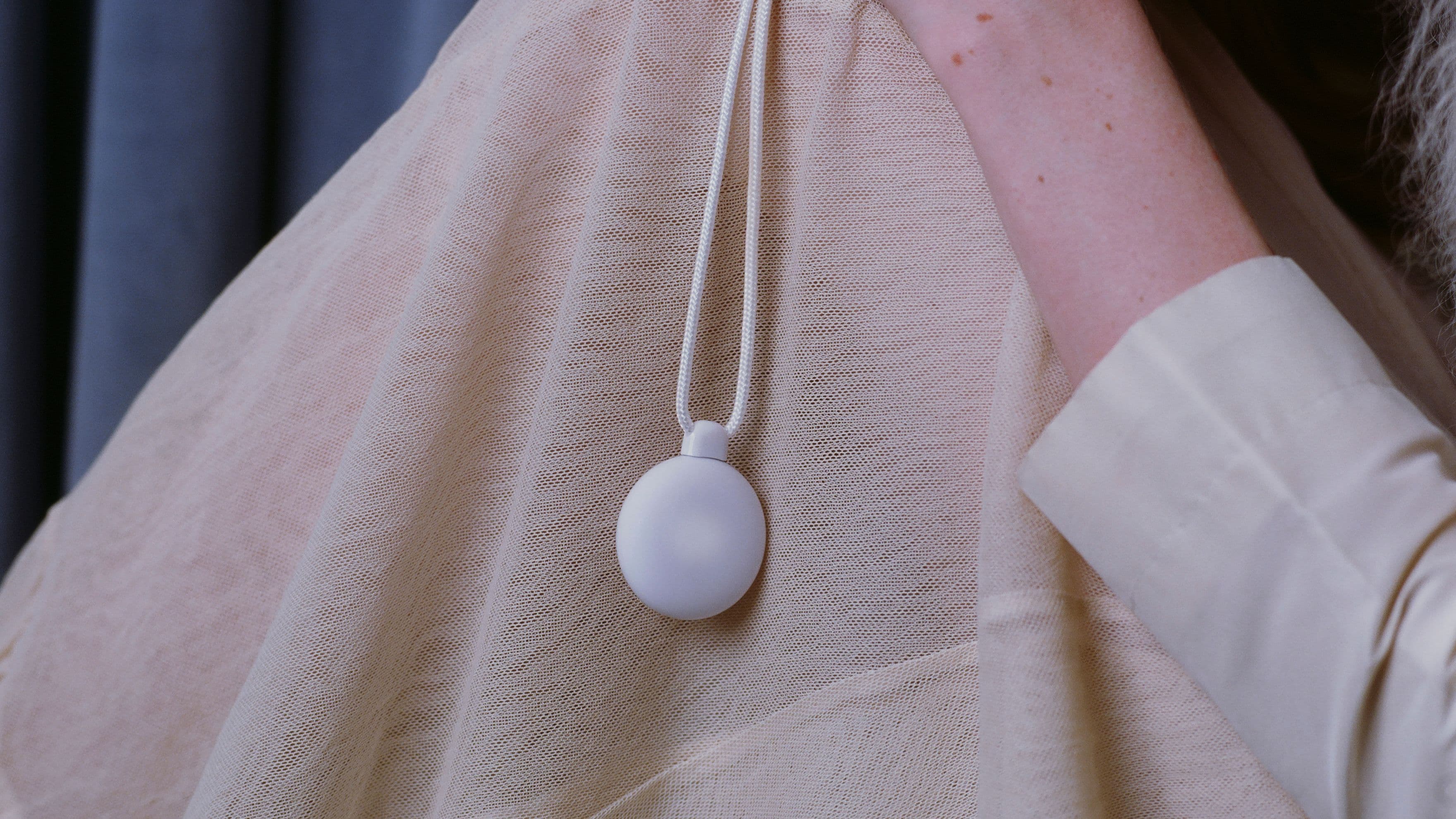
Friend, a startup founded by Avi Schiffmann, has launched Friend 2, an AI-powered chatbot pendant designed to function as an always-listening companion. Priced at $249, the device has drawn criticism for its lack of distinct personality and engaging interactions, despite its customizable personas. Schiffmann has hinted at future updates that could transform Friend into a shared, agentic AI entity.

Editor, Lazyfounder
30 SEC SUMMARY
- Friend 2, an AI-powered chatbot pendant, launches at $249, $100 more than its predecessor.
- The device, developed by Avi Schiffmann, is designed as an always-listening AI companion using OpenAI’s latest models.
- Critics argue the Friend 2 lacks a distinct personality and engaging interactions, despite customizable personas.
- Schiffmann plans updates to evolve the device into a shared, agentic AI entity for all users.
- The first version of Friend faced backlash over its New York City subway ad campaign.
TABLE OF CONTENTS
KEY HIGHLIGHTS
- Friend 2, an AI-powered chatbot pendant, is now available for $249, a $100 increase over the original version.
- The device uses OpenAI’s latest language models and is designed to be an always-listening AI companion.
- Users can create multiple chatbot personas, but reviewers found interactions lacking in distinct personality.
- Founder Avi Schiffmann plans updates to transform the device into a shared, agentic AI entity for all users.
- The first version of Friend sparked controversy due to its New York City subway ad campaign.
What Friend 2 promises
The Friend 2 is a second-generation AI-powered pendant developed by startup Friend, founded by Avi Schiffmann. Priced at $249, the device is designed to function as an always-listening AI companion, leveraging OpenAI’s latest language models. Unlike traditional smart assistants, Friend 2 aims to create a more personal, conversational experience—though reviewers have questioned its ability to deliver on that promise.
The device allows users to generate multiple chatbot personas, each with customizable names and personalities. However, according to WIRED, these personas often feel indistinguishable from one another, lacking the depth or distinctiveness of a human-like interaction.
A rocky start and a bold vision
The original Friend device faced significant backlash last year over its marketing campaign in the New York City subway. The ads, which promised an AI companion, drew protests and anti-AI graffiti, highlighting widespread skepticism about integrating AI into personal spaces. Schiffmann, however, described the controversy as a sign of impact, suggesting it validated the product’s potential to provoke discussion.
Looking ahead, Schiffmann has teased plans to evolve Friend 2 into a shared, agentic AI entity—one with a single, centralized personality accessible to all users. This ambition aligns with broader trends in AI development but raises questions about how such a shift would affect the device’s appeal as a personal companion.
Limitations and comparisons
Unlike Meta’s Muse Charm, another AI-powered wearable, Friend 2 includes built-in content restrictions, limiting its functionality. The device cannot browse the web or perform complex tasks, focusing instead on conversation and companionship. This design choice reflects Schiffmann’s emphasis on safety and simplicity, though it may frustrate users seeking more utility.
At $249, Friend 2 positions itself as a premium product, but reviewers have argued that its interactions feel more like a gimmick than a meaningful innovation. The challenge for Schiffmann will be proving that the device can evolve beyond its current limitations—particularly if its value hinges on personality-driven engagement.
What this means
Lazyfounder analysis — our interpretation, not reported fact.
Friend 2 reflects the growing appetite for AI-driven companionship but also highlights the challenges of making such interactions feel genuinely human. For founders, this launch underscores the importance of balancing novelty with usability—users may tolerate a gimmick once, but long-term engagement requires depth. The controversy around the first version also serves as a reminder: marketing stunts can backfire if they alienate rather than intrigue. Schiffmann’s vision of a shared AI personality is ambitious, but it risks diluting the personal connection that wearables like this are supposed to foster.
Key takeaways
- AI wearables must move beyond gimmicks to sustain user engagement, especially at premium price points.
- Customization alone isn’t enough—personality and depth in AI interactions are critical for adoption.
- Founders should anticipate backlash when blending AI with personal spaces, as ethical and social concerns remain unresolved.
- Plans to centralize AI personalities could either democratize access or erode the personal touch that defines companion devices.
FAQ
How much does Friend 2 cost?
Friend 2 is priced at $249, which is $100 more than the original version.
What technology powers Friend 2?
The device runs on OpenAI’s latest language models and is designed to be an always-listening AI companion.
Why was the first version of Friend controversial?
The original Friend device faced backlash due to an ad campaign in the New York City subway, which sparked protests and anti-AI graffiti.
Related on Lazyfounder
Sources
- WIRED · 2026-10-14
My Friend Has No Soul
This story is an original summary drafted with AI by Lazyfounder from the reporting listed above and checked by automated validation. Facts are attributed to their original publishers; sections marked as analysis are Lazyfounder's. Where a source is in another language, facts were machine-translated and quotations are reported, not reproduced. Read the original coverage via the links, and see our AI policy and corrections policy.

About the author
Editor, Lazyfounder
Tarun Mottlia edits LazyFounders, covering Indian startups, funding rounds, AI and product launches. Every story on the site is AI-assisted and checked against its cited sources before publication.
More stories by Tarun MottliaGet the LazyFounder Brief
Startup, funding and AI news in a five-minute read. Join the early-access list.
