
FoodCycle turns supermarket surplus into community support in UK schools
A UK-based initiative, FoodCycle, is addressing food waste and economic pressure by redistributing surplus food from supermarkets to families in the West Midlands. Operating in schools, the program provides meals and groceries while fostering community relationships, offering a dual solution to hunger and social fragmentation.

Editor, Lazyfounder
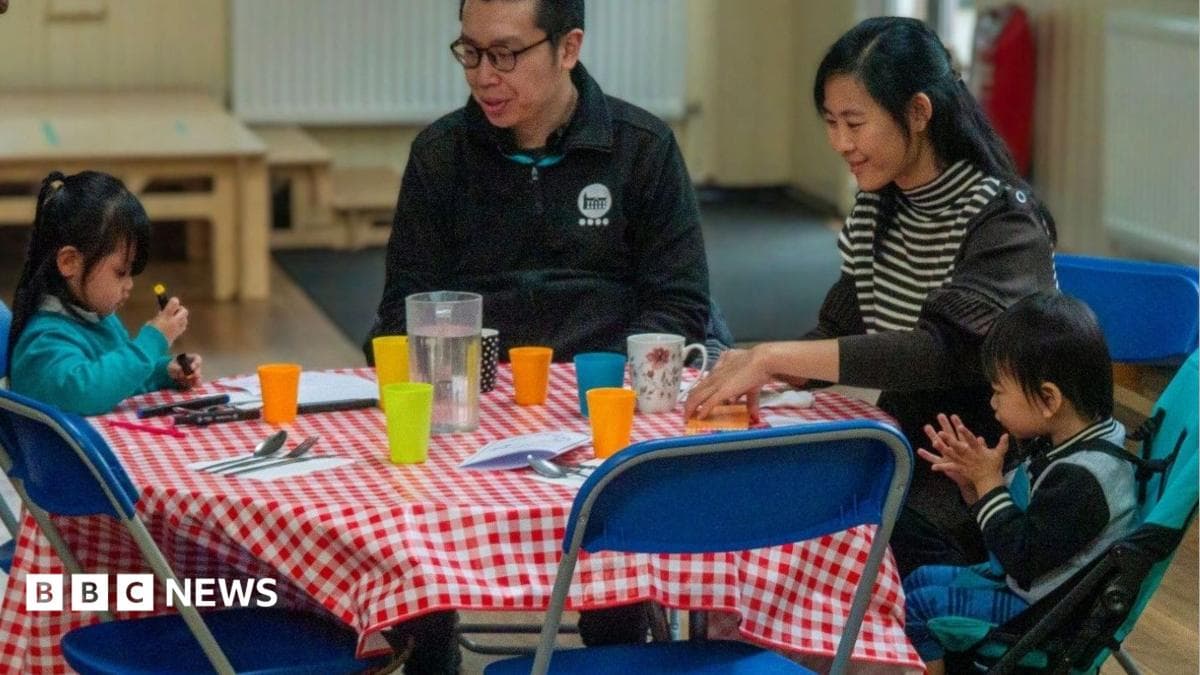
A UK-based initiative, FoodCycle, is addressing food waste and economic pressure by redistributing surplus food from supermarkets to families in the West Midlands. Operating in schools, the program provides meals and groceries while fostering community relationships, offering a dual solution to hunger and social fragmentation.
30 SEC SUMMARY
- FoodCycle, a UK-based initiative, is tackling food waste by redistributing surplus food from supermarkets to families in the West Midlands.
- The program operates in schools, providing meals and groceries to alleviate pressure from rising household bills.
- Sessions at schools like Windsor Olympic Academy foster community relationships among parents, children, staff, and volunteers.
- The initiative is described as a 'lovely social event' by participants, highlighting its dual role in addressing hunger and building community.
- FoodCycle’s model reflects a growing trend of social initiatives embedded in educational settings.
TABLE OF CONTENTS
- How FoodCycle works
- Schools as community hubs
- Impact on families and communities
- What this means
- Key takeaways
- FAQ
- Sources
KEY HIGHLIGHTS
- FoodCycle redistributes surplus food from supermarkets to families in the West Midlands, helping alleviate rising household bills.
- The initiative operates in schools, including Windsor Olympic Academy in Birmingham and Goldsmiths Primary Academy in Walsall.
- Sessions help build relationships among parents, children, school staff, and volunteers, described as 'lovely social events.'
- The model combines food waste reduction with community support, leveraging school infrastructure and volunteer efforts.
How FoodCycle works
According to BBC News, FoodCycle collects surplus food from supermarkets and redistributes it as meals and groceries to families in the West Midlands. The initiative targets areas where rising household bills have increased financial strain on families.
Schools as community hubs
The program operates in schools like Windsor Olympic Academy in Birmingham and Goldsmiths Primary Academy in Walsall. These sessions are not just about providing food but also aim to strengthen community bonds among parents, children, school staff, and volunteers.
Amy Henderson, a teacher at Windsor Olympic Academy, described the sessions as a 'lovely social event,' highlighting their role in bringing people together.
Impact on families and communities
While the direct financial relief for families is unverified, reports suggest the initiative has helped ease pressure on households struggling with rising living costs. Participants reportedly value the opportunity to connect with others in their community.
Beyond meals, the sessions are designed to create a supportive environment where relationships can flourish, potentially reducing isolation for families facing economic challenges.
What this means
Lazyfounder analysis — our interpretation, not reported fact.
FoodCycle’s approach is a practical example of how non-profits can address multiple challenges at once—food waste, economic pressure, and community fragmentation—by leveraging existing infrastructure like schools. For founders and operators, this model demonstrates the value of partnerships with local institutions to create scalable social impact. It also underscores the importance of community-centric solutions, especially in times of economic strain, where trust and relationships can amplify the effectiveness of aid. While this isn’t a traditional startup story, it offers lessons in sustainability, collaboration, and the power of localized innovation.
Key takeaways
- FoodCycle uses surplus food from supermarkets to support families in the West Midlands, addressing food waste and economic pressure.
- The initiative operates in schools, providing meals and groceries while fostering community relationships.
- Participating teachers describe the sessions as 'lovely social events,' emphasizing their role in building connections.
- The model leverages partnerships with schools and volunteers to create scalable social impact.
- This reflects a broader trend of embedding social initiatives within educational settings to maximize reach and effectiveness.
FAQ
What is FoodCycle?
FoodCycle is a UK initiative that collects surplus food from supermarkets and redistributes it as meals and groceries to families in need, particularly in the West Midlands.
How does FoodCycle operate in schools?
The initiative partners with schools like Windsor Olympic Academy and Goldsmiths Primary Academy to host sessions where families receive food and groceries. These sessions also serve as community-building events for parents, children, staff, and volunteers.
Who benefits from FoodCycle’s programs?
Families facing economic pressure, particularly those struggling with rising household bills, benefit from the initiative. The sessions also aim to strengthen community ties among participants.
Related on Lazyfounder
Sources
- BBC News (Tech & Business) · 2026-09-28
How waste food helps West Midlands families through the week
This story is an original summary drafted with AI by Lazyfounder from the reporting listed above and checked by automated validation. Facts are attributed to their original publishers; sections marked as analysis are Lazyfounder's. Where a source is in another language, facts were machine-translated and quotations are reported, not reproduced. Read the original coverage via the links, and see our AI policy and corrections policy.

About the author
Editor, Lazyfounder
Tarun Mottlia edits LazyFounders, covering Indian startups, funding rounds, AI and product launches. Every story on the site is AI-assisted and checked against its cited sources before publication.
More stories by Tarun MottliaGet the LazyFounder Brief
Startup, funding and AI news in a five-minute read. Join the early-access list.
