
Soundbars vs. Surround Sound: Which Upgrade is Right for You?
Upgrading TV audio is a common dilemma for consumers: should they invest in a soundbar for simplicity or a surround sound system for immersion? Reviews and tests reveal the strengths and limitations of both options, highlighting key trade-offs in cost, space, and audio quality.

Editor, Lazyfounder
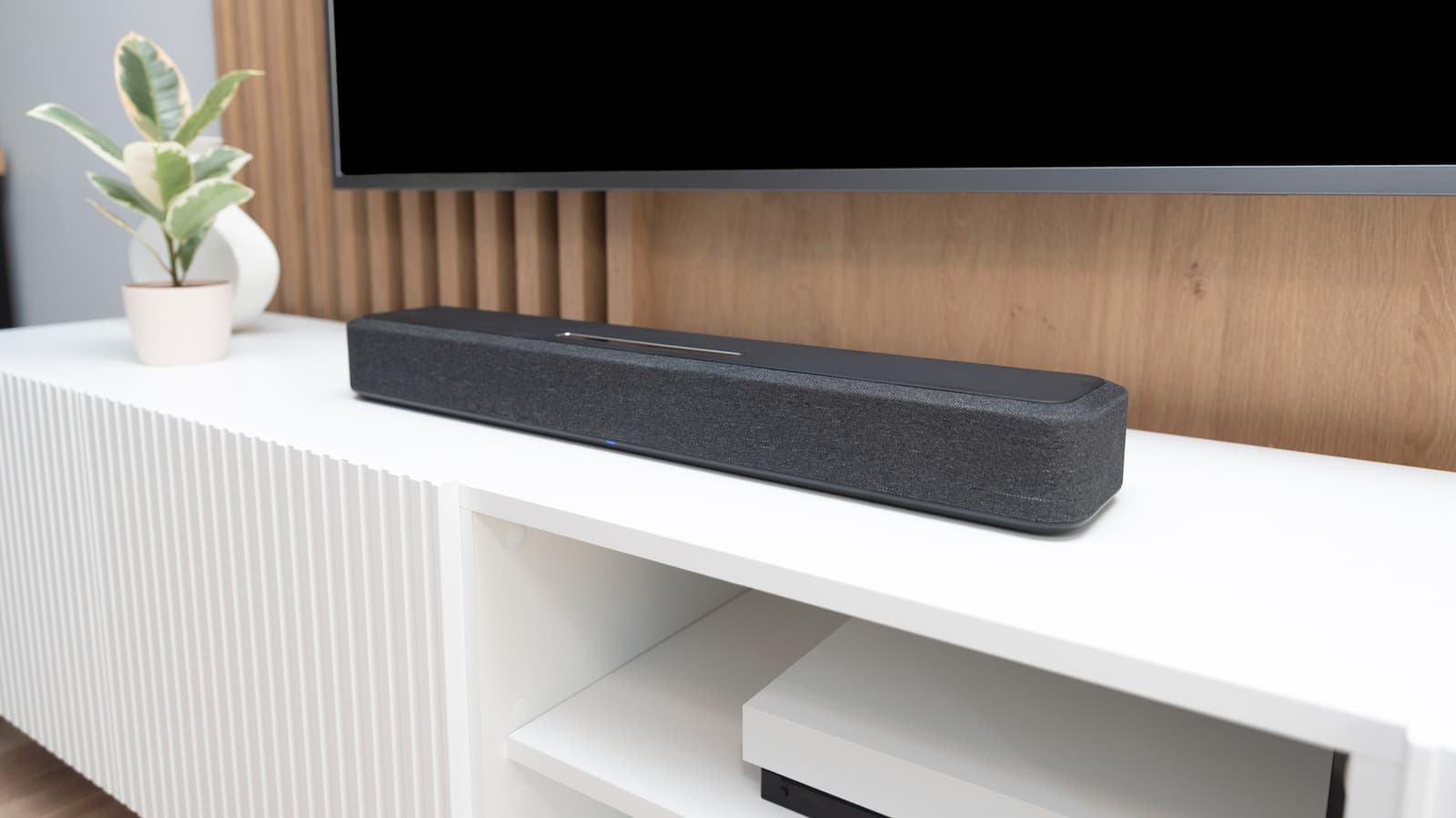
Upgrading TV audio is a common dilemma for consumers: should they invest in a soundbar for simplicity or a surround sound system for immersion? Reviews and tests reveal the strengths and limitations of both options, highlighting key trade-offs in cost, space, and audio quality.
30 SEC SUMMARY
- Soundbars offer a simpler, cheaper upgrade over built-in TV speakers but fall short of full surround sound immersion.
- Surround sound systems provide superior audio quality and immersion, especially with Dolby Atmos and DTS:X technologies.
- Blind tests show users prefer surround sound for dialogue clarity and realism, though space and setup complexity remain barriers.
- Dolby Atmos soundbars simulate overhead sound but are limited by ceiling conditions and room layout.
- Choosing between soundbars and surround sound depends on budget, space, and audio priorities.
TABLE OF CONTENTS
- Soundbars vs. Surround Sound: What the Experts Say
- The Surround Sound Advantage
- Who Should Choose a Soundbar?
- Background: The Evolution of Home Audio
- What this means
- Key takeaways
- FAQ
- Sources
KEY HIGHLIGHTS
- Built-in TV speakers often fail to deliver immersive audio for movies and shows.
- Surround sound systems provide superior immersion and clarity, especially with Dolby Atmos and DTS:X.
- Soundbars offer a simpler, cheaper upgrade but lack the three-dimensional audio experience of surround sound.
- Blind tests show users prefer surround sound for dialogue and realism, though space and setup remain barriers.
- Dolby Atmos soundbars simulate overhead sound but are limited by ceiling conditions.
Soundbars vs. Surround Sound: What the Experts Say
Most built-in TV speakers struggle to deliver a satisfying audio experience for movies, sports, or gaming, according to reviews from Engadget. Dialogue can sound muffled, and dynamic audio details—like explosions or soundtracks—often get lost.
Soundbars have become a popular solution for users seeking an upgrade without the complexity of a full surround sound system. They are cheaper, easier to install, and take up far less space. However, Engadget notes that even high-end soundbars struggle to match the three-dimensional immersion of a true surround sound setup.
Modern audio technologies like Dolby Atmos and DTS:X have raised the bar for home theater experiences. These formats use object-based mixing to create a sense of sound coming from all directions, including overhead. While some soundbars support these formats—often using upward-firing drivers to simulate overhead audio—their performance is inconsistent. Factors like ceiling texture, room shape, and obstacles (e.g., light fixtures) can disrupt the effect.
The Surround Sound Advantage
Surround sound systems, which typically include a receiver and multiple speakers placed around the room, deliver a more immersive and realistic audio experience. In a blind test conducted by Engadget, participants consistently preferred surround sound systems over soundbars for dialogue clarity and overall immersion. The difference was noticeable even when comparing high-end soundbars to entry-level surround setups.
Despite their advantages, surround sound systems face significant barriers to adoption. Cost is a major factor: an entry-level 5.1.2 system (five speakers, one subwoofer, and two overhead channels) can cost close to $1,000, with higher-end setups running significantly more. Space is another challenge, as many users lack the room for multiple speakers or the willingness to deal with complex wiring and calibration.
For those who prioritize audio quality and have the space, surround sound systems remain the gold standard. Engadget recommends investing in a receiver and speakers for a true home theater experience, especially for users who want to take full advantage of Dolby Atmos or DTS:X content.
Who Should Choose a Soundbar?
Soundbars are a practical choice for users with limited space, smaller rooms, or irregular layouts where a surround sound system would be impractical. They are also ideal for those who prioritize simplicity and ease of use—many models can be set up in minutes and integrate seamlessly with existing smart home ecosystems.
Some soundbars attempt to bridge the gap between simplicity and performance. For example, a 5.1.2 soundbar system—which includes a soundbar, rear speakers, and a subwoofer—can deliver a more immersive experience than a standalone soundbar. However, Engadget notes that these setups still fall short of a dedicated surround sound system in terms of audio depth and realism.
For users who want better sound than their TV speakers but aren’t ready to invest in a full surround sound system, soundbars offer a compelling middle ground.
Background: The Evolution of Home Audio
The shift from built-in TV speakers to external audio solutions reflects broader trends in home entertainment. As TVs have become thinner, their built-in speakers have sacrificed audio quality for sleek design. This trade-off has driven demand for external solutions, from basic soundbars to high-end surround sound systems.
The introduction of Dolby Atmos and DTS:X has further transformed the market. These formats use object-based audio to create a more dynamic and immersive listening experience, requiring hardware capable of delivering sound from multiple directions—including above the listener. This has led to innovations in both soundbars and surround sound systems, with manufacturers experimenting with upward-firing drivers, wireless rear speakers, and advanced calibration tools.
What this means
Lazyfounder analysis — our interpretation, not reported fact.
For founders and operators in the consumer electronics space, this debate highlights a clear market segmentation. Soundbars and surround sound systems serve different user needs, and the choice between them isn’t just about audio quality—it’s about trade-offs in space, budget, and user priorities.
Startups in this space should consider how to address the pain points of both segments. For soundbars, convenience and integration (e.g., smart home compatibility, compact design) are key selling points. For surround sound systems, easing installation complexity—perhaps through modular designs or AI-assisted setup—could expand their appeal beyond audio enthusiasts.
The rise of object-based audio technologies like Dolby Atmos also suggests opportunities in software and content creation. Founders could explore tools that optimize audio mixing for these formats or develop hardware accessories that enhance their performance in non-ideal spaces. Ultimately, the goal should be to bridge the gap between the simplicity of soundbars and the immersion of surround sound without forcing users to compromise on their priorities.
Key takeaways
- Built-in TV speakers are inadequate for immersive audio experiences like movies and shows.
- Surround sound systems outperform soundbars in immersion and dialogue clarity, but they require more space and budget.
- Soundbars are a practical choice for small rooms or users who prioritize simplicity and cost.
- Dolby Atmos soundbars attempt to simulate overhead sound but are limited by ceiling conditions and room layout.
- The best choice depends on individual preferences, room size, and willingness to invest in setup complexity.
FAQ
What are the main differences between soundbars and surround sound systems?
Soundbars are compact, all-in-one speakers designed to sit below or above a TV. They offer a simpler setup and are ideal for small spaces or users who want a noticeable upgrade over built-in TV speakers without complexity. Surround sound systems, on the other hand, use multiple speakers placed around the room to create a three-dimensional audio experience. They deliver superior immersion and clarity but require more space, budget, and setup effort.
How do Dolby Atmos and DTS:X work with soundbars and surround sound systems?
Dolby Atmos and DTS:X are object-based audio technologies that create a sense of sound coming from all directions, including overhead. Surround sound systems can fully leverage these formats by using dedicated overhead speakers. Some soundbars simulate this effect using upward-firing drivers, but their performance is often limited by ceiling conditions, room layout, and other obstacles.
Are soundbars worth the investment if I already have decent TV speakers?
If your TV speakers are underwhelming, a soundbar can provide a noticeable upgrade in clarity and volume. However, if you’re seeking a truly immersive experience—such as the feeling of being "inside" a movie or game—a soundbar may leave you wanting more. For casual viewers, a soundbar is a practical and cost-effective solution.
What are the biggest challenges of setting up a surround sound system?
Surround sound systems require careful planning, including speaker placement, wiring, and calibration. Space is a common issue, as many users don’t have a dedicated room for multiple speakers. Cost is another factor, with even entry-level setups running close to $1,000. Additionally, integrating a receiver and managing cables can be intimidating for non-technical users.
Can a soundbar replace a surround sound system for gaming or movies?
While soundbars have improved significantly, they still can’t match the immersion of a surround sound system for gaming or movies. Soundbars struggle to create a true three-dimensional audio experience, which is critical for spatial awareness in games or the cinematic feel of films. However, for users with limited space or budget, soundbars offer a far better experience than built-in TV speakers.
Related on Lazyfounder
Sources
- Engadget · 2026-09-27
When Are Surround Sound Systems Actually Worth It Over Soundbars?
This story is an original summary drafted with AI by Lazyfounder from the reporting listed above and checked by automated validation. Facts are attributed to their original publishers; sections marked as analysis are Lazyfounder's. Where a source is in another language, facts were machine-translated and quotations are reported, not reproduced. Read the original coverage via the links, and see our AI policy and corrections policy.

About the author
Editor, Lazyfounder
Tarun Mottlia edits LazyFounders, covering Indian startups, funding rounds, AI and product launches. Every story on the site is AI-assisted and checked against its cited sources before publication.
More stories by Tarun MottliaGet the LazyFounder Brief
Startup, funding and AI news in a five-minute read. Join the early-access list.
