
Foldable phones need careful handling: mistakes to avoid
Foldable phones like the Galaxy Z Fold8 and iPhone Duo promise innovation but require careful handling to avoid damage. Manufacturers warn against common mistakes—like closing devices on objects or peeling off screen films—that can shorten their lifespan. While lab tests suggest durability, real-world use often tells a different story.

Editor, Lazyfounder
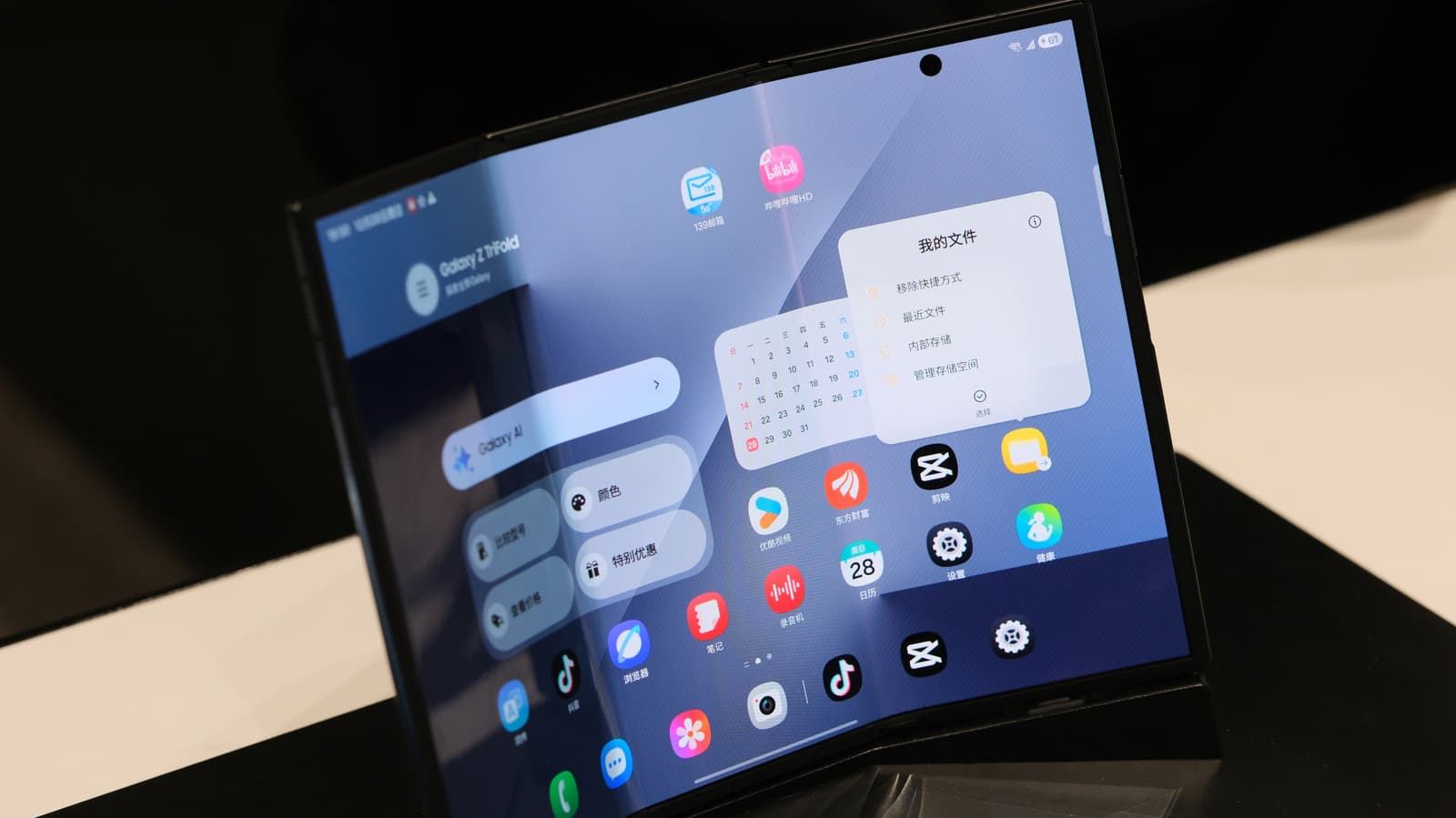
Foldable phones like the Galaxy Z Fold8 and iPhone Duo promise innovation but require careful handling to avoid damage. Manufacturers warn against common mistakes—like closing devices on objects or peeling off screen films—that can shorten their lifespan. While lab tests suggest durability, real-world use often tells a different story.
30 SEC SUMMARY
- Foldable phones require careful handling to avoid damage, especially to inner screens and hinges.
- Manufacturers like Samsung and Apple warn against closing foldable phones on objects like cards, coins, or keys.
- Foldable phones undergo rigorous lab testing, with hinges and screens tested for 200,000 to 500,000 folds.
- Real-world durability of foldable phones may not match lab results, as seen with the original Galaxy Fold.
- Peeling off factory-applied screen films or using unapproved accessories can void warranties or cause damage.
TABLE OF CONTENTS
- Common mistakes that damage foldable phones
- How manufacturers test durability
- Water and dust resistance: What the ratings mean
- What this means
- Key takeaways
- FAQ
- Sources
KEY HIGHLIGHTS
- Manufacturers warn against closing foldable phones on objects like cards, coins, or keys, which can damage inner screens.
- Foldable phones are lab-tested for 200,000 to 500,000 folds, but real-world durability may not match these results.
- Samsung and Apple recommend leaving factory-applied screen films intact and using only approved accessories.
- IP ratings (e.g., IP48 or IP68) indicate resistance to dust and water, but this protection may degrade over time.
- Using non-approved screen protectors or styluses can void warranties or cause irreversible damage.
Common mistakes that damage foldable phones
According to Engadget, one of the most common mistakes users make with foldable phones is closing them on objects like cards, coins, or keys. These items can scratch or even puncture the inner screen, leading to costly repairs. Samsung explicitly warns users to avoid placing such objects on the display before folding.
Another frequent error is peeling off the factory-applied screen film. Early foldable phone users often mistook these films for disposable shipping protection, only to discover that removing them could damage the screen. Samsung now strongly recommends leaving these protective layers intact.
Using unapproved accessories is also a risk. Engadget reports that manufacturers advise against applying screen protectors or using styluses that aren’t specifically listed as compatible with their foldable phone models.
How manufacturers test durability
Foldable phone manufacturers subject their devices to rigorous durability testing. According to Engadget, hinges and screens are tested for 200,000 to 500,000 folds in controlled lab environments. For example, Samsung claimed the Galaxy Z Fold7’s display remained functional after 500,000 folds.
These tests suggest a theoretical lifespan of 5 to 10 years if the phone is opened and closed 100 times a day. However, real-world usage often falls short of lab conditions. Engadget notes that Samsung’s original Galaxy Fold failed to meet its 200,000-fold promise outside the lab, highlighting the gap between testing and everyday durability.
Water and dust resistance: What the ratings mean
Foldable phones like the Galaxy Z Fold8 and Fold8 Ultra feature an IP48 rating, which means the device is protected against objects larger than 1 millimeter and can withstand immersion in water under specific conditions. In comparison, the iPhone Duo boasts an IP68 rating, indicating it is dust-tight and offers higher water resistance.
However, these ratings are not permanent. Engadget reports that Apple acknowledges the iPhone Duo’s water and dust resistance may diminish with normal wear and tear. Users should not rely on these protections indefinitely.
What this means
Lazyfounder analysis — our interpretation, not reported fact.
Foldable phones represent a leap in design and functionality, but their durability hinges on user behavior as much as engineering. While manufacturers tout lab-tested resilience—like 500,000 folds—real-world usage tells a different story. The gap between controlled testing and daily wear underscores a critical lesson for early adopters: these devices demand more mindfulness than traditional smartphones.
For founders and operators in the consumer tech space, this reinforces the importance of setting realistic expectations. Companies like Samsung and Apple are walking a tightrope between innovation and practicality. Overpromising durability without addressing user habits could backfire, leading to frustration and mistrust. The takeaway? Education and clear communication about care and limitations are just as vital as the technology itself.
Key takeaways
- Avoid placing objects like cards, coins, or keys on foldable screens before closing them, as this can cause permanent damage.
- Foldable phones are tested for 200,000 to 500,000 folds in labs, but real-world performance may vary.
- Peeling off factory-applied screen films or using non-approved accessories can damage foldable phones.
- Water and dust resistance ratings (e.g., IP48 or IP68) may degrade over time with normal use.
- Manufacturers recommend using only compatible accessories and cleaning screens gently to preserve functionality.
FAQ
What are the most common mistakes users make with foldable phones?
Users often damage foldable phones by closing them on objects like cards, coins, or keys, which can scratch or puncture the inner screen. Peeling off factory-applied screen films or using unapproved accessories can also cause harm.
How long do foldable phone hinges and screens last?
Manufacturers test hinges and screens for 200,000 to 500,000 folds in lab conditions, suggesting a lifespan of 5 to 10 years if opened 100 times a day. However, real-world durability may vary.
Can I use any screen protector on a foldable phone?
No. Manufacturers recommend using only screen protectors or styluses specifically listed as compatible with their foldable phone models to avoid damaging the device.
Do foldable phones maintain their water and dust resistance over time?
While foldable phones like the Galaxy Z Fold8 and iPhone Duo have IP48 or IP68 ratings, these protections can degrade with normal wear and tear. Apple notes that the iPhone Duo’s resistance may diminish over time.
Related on Lazyfounder
Sources
- Engadget · 2026-10-06
Common Mistakes You Should Avoid When Using Foldable Phones
This story is an original summary drafted with AI by Lazyfounder from the reporting listed above and checked by automated validation. Facts are attributed to their original publishers; sections marked as analysis are Lazyfounder's. Where a source is in another language, facts were machine-translated and quotations are reported, not reproduced. Read the original coverage via the links, and see our AI policy and corrections policy.

About the author
Editor, Lazyfounder
Tarun Mottlia edits LazyFounders, covering Indian startups, funding rounds, AI and product launches. Every story on the site is AI-assisted and checked against its cited sources before publication.
More stories by Tarun MottliaGet the LazyFounder Brief
Startup, funding and AI news in a five-minute read. Join the early-access list.