
FDA approves first expandable artificial heart valve for pediatric patients
The FDA has approved a groundbreaking medical device for pediatric patients: the Autus Size-Adjustable Valve, an artificial heart valve developed by Edwards. Designed to expand after implantation, the valve aims to reduce the need for multiple surgeries in children with congenital heart disease.

Editor, Lazyfounder
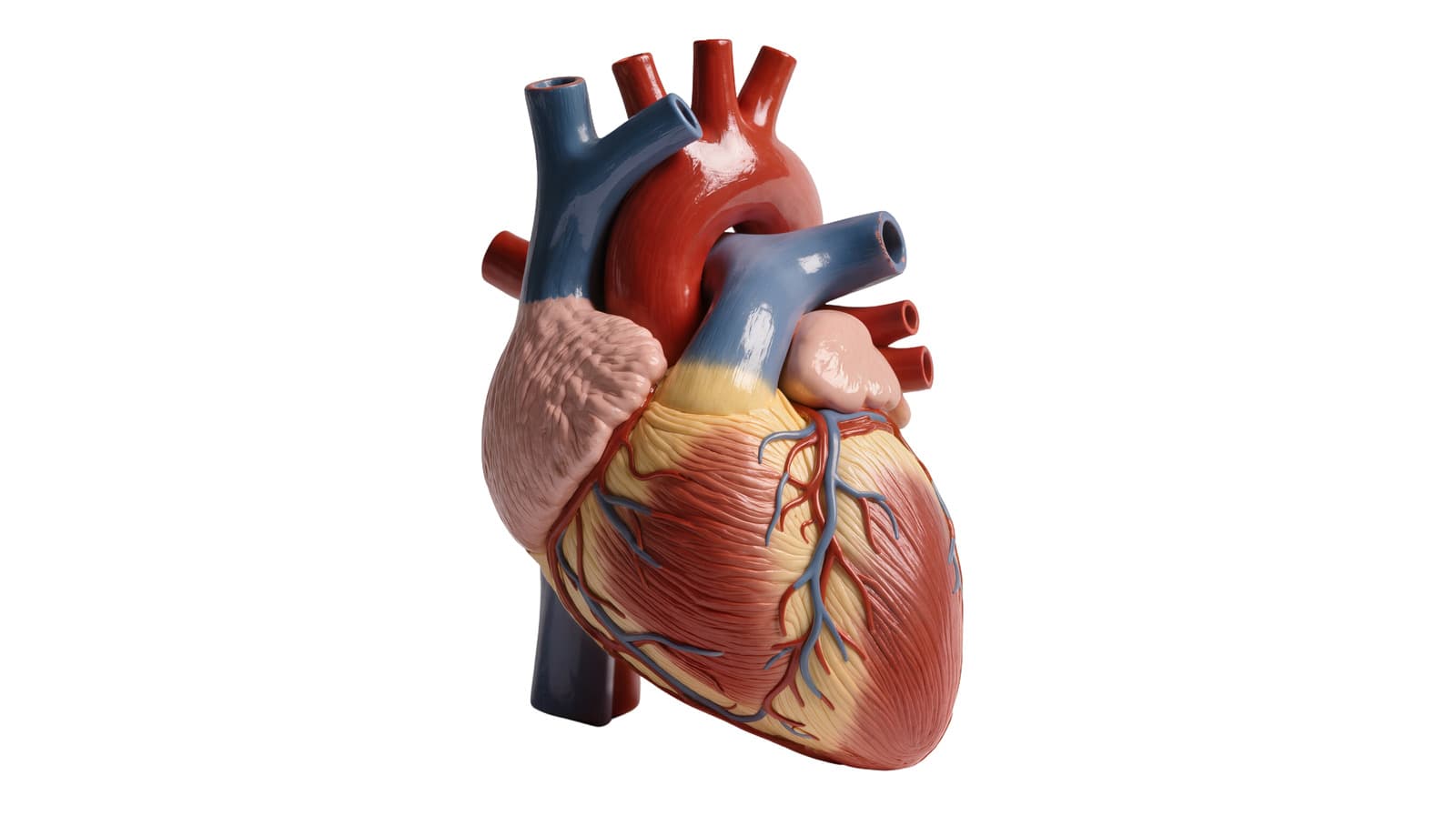
The FDA has approved a groundbreaking medical device for pediatric patients: the Autus Size-Adjustable Valve, an artificial heart valve developed by Edwards. Designed to expand after implantation, the valve aims to reduce the need for multiple surgeries in children with congenital heart disease.
30 SEC SUMMARY
- The FDA has approved the Autus Size-Adjustable Valve, the first artificial heart valve designed to expand post-surgery to grow with pediatric patients.
- The valve, developed by Edwards, targets children with congenital heart disease, a condition affecting around 400,000 newborns annually in the US.
- The Autus valve can be implanted as small as 13 millimeters and expanded up to 22 millimeters using a balloon catheter, reducing the need for multiple surgeries.
- The valve uses polymeric material for flaps, which may offer better durability than traditional animal-based materials.
- Stenosis and atresia, two key conditions affecting the pulmonary valve, impact approximately 4,200 babies in the US each year.
TABLE OF CONTENTS
- FDA approval for pediatric heart valve
- How the Autus valve works
- What this means
- Key takeaways
- FAQ
- Sources
KEY HIGHLIGHTS
- The FDA approved the Autus Size-Adjustable Valve, the first artificial heart valve designed to expand after surgery to accommodate children’s growth.
- The valve, developed by Edwards, targets pediatric patients with congenital heart disease, a condition affecting 400,000 newborns annually in the US.
- Stenosis and atresia, two common congenital heart defects, impact around 4,200 babies in the US each year.
- The Autus valve can be implanted as small as 13 millimeters and expanded up to 22 millimeters using a balloon catheter, reducing the need for multiple surgeries.
- The valve’s polymeric flaps may offer better durability than traditional animal-based materials.
FDA approval for pediatric heart valve
The US Food and Drug Administration (FDA) has approved the Autus Size-Adjustable Valve, developed by medical technology company Edwards. This artificial heart valve is the first of its kind designed to expand after implantation, allowing it to grow with pediatric patients.
The approval targets children with congenital heart disease, a condition affecting approximately 400,000 newborns in the US each year, according to data cited by Engadget. Of these cases, around 30% involve abnormalities in the heart valves.
The Autus valve addresses two specific conditions: stenosis, where the pulmonary valve is narrowed, and atresia, where the valve fails to form normally. Together, these conditions affect about 4,200 babies in the US annually.
How the Autus valve works
The Autus Size-Adjustable Valve is designed for pediatric patients, particularly toddlers and preschool-aged children. It can be implanted at a diameter as small as 13 millimeters and later expanded up to 22 millimeters using a balloon catheter. This adaptability aims to reduce the need for repeat surgeries as the child grows.
Unlike traditional heart valves, which often use animal-based materials for the flaps, the Autus valve employs a polymeric material. According to early follow-up data cited by Engadget, this material may offer improved durability over time compared to other models.
What this means
Lazyfounder analysis — our interpretation, not reported fact.
For founders and operators in the medtech space, the Autus Size-Adjustable Valve represents a meaningful step forward in pediatric cardiac care. The ability to adjust the valve’s size post-implantation could reduce the physical, emotional, and financial burden on families and healthcare systems by minimizing repeat surgeries.
This approval also signals the FDA’s willingness to support innovative solutions that address unmet needs in niche but critical areas. For startups working on scalable medical devices, the Autus valve sets a precedent for how adaptive technologies can create long-term value for patients and providers alike. However, the real test will be in long-term clinical outcomes and cost-effectiveness—factors that will determine widespread adoption and payer reimbursement.
Key takeaways
- The FDA has approved the Autus Size-Adjustable Valve, the first artificial heart valve designed to expand as pediatric patients grow.
- Developed by Edwards, the valve aims to reduce the need for multiple surgeries in children with congenital heart disease.
- Around 400,000 children in the US are born with congenital heart disease annually, with 30% of cases affecting the heart valves.
- The Autus valve can be implanted at 13 millimeters and expanded up to 22 millimeters using a balloon catheter.
- The valve uses polymeric flaps, which may offer improved durability compared to traditional animal-based materials.
FAQ
What is the Autus Size-Adjustable Valve?
The Autus Size-Adjustable Valve is an artificial heart valve designed to expand post-surgery using a balloon catheter. It is the first valve of its kind approved for pediatric patients, allowing it to grow with the child and reduce the need for repeat surgeries.
Who developed the Autus Size-Adjustable Valve?
The valve was developed by Edwards, a medical technology company based in the US.
Why is the Autus valve significant for pediatric patients?
The Autus valve is significant because it addresses a critical unmet need in pediatric cardiac care. Children with congenital heart disease often require multiple surgeries as they grow, and this valve’s ability to expand post-implantation could reduce those procedures and their associated risks.
What conditions does the Autus valve treat?
The Autus valve treats stenosis and atresia, two common congenital abnormalities of the pulmonary valve. Stenosis involves a narrowed valve, while atresia refers to a valve that fails to form normally.
How does the Autus valve compare to traditional heart valves?
Unlike traditional heart valves, which often use animal-based materials for the flaps, the Autus valve uses a polymeric material. Early follow-up data suggests it may offer better durability over time, though long-term outcomes will be critical for confirmation.
Related on Lazyfounder
Sources
- Engadget · 2026-10-02
FDA Approves Artificial Heart Valve For Kids That Grows As They Do
This story is an original summary drafted with AI by Lazyfounder from the reporting listed above and checked by automated validation. Facts are attributed to their original publishers; sections marked as analysis are Lazyfounder's. Where a source is in another language, facts were machine-translated and quotations are reported, not reproduced. Read the original coverage via the links, and see our AI policy and corrections policy.

About the author
Editor, Lazyfounder
Tarun Mottlia edits LazyFounders, covering Indian startups, funding rounds, AI and product launches. Every story on the site is AI-assisted and checked against its cited sources before publication.
More stories by Tarun MottliaGet the LazyFounder Brief
Startup, funding and AI news in a five-minute read. Join the early-access list.
