
European payment providers unite to launch cross-border network ENP
Five major European payment providers have signed an agreement to create the European Network for Payments (ENP), a new framework aimed at enabling cross-border interoperability and reducing reliance on US-dominated payment networks. The initiative is set to roll out in stages, starting with person-to-person payments and expanding to e-commerce and in-store transactions by 2027.

Editor, Lazyfounder
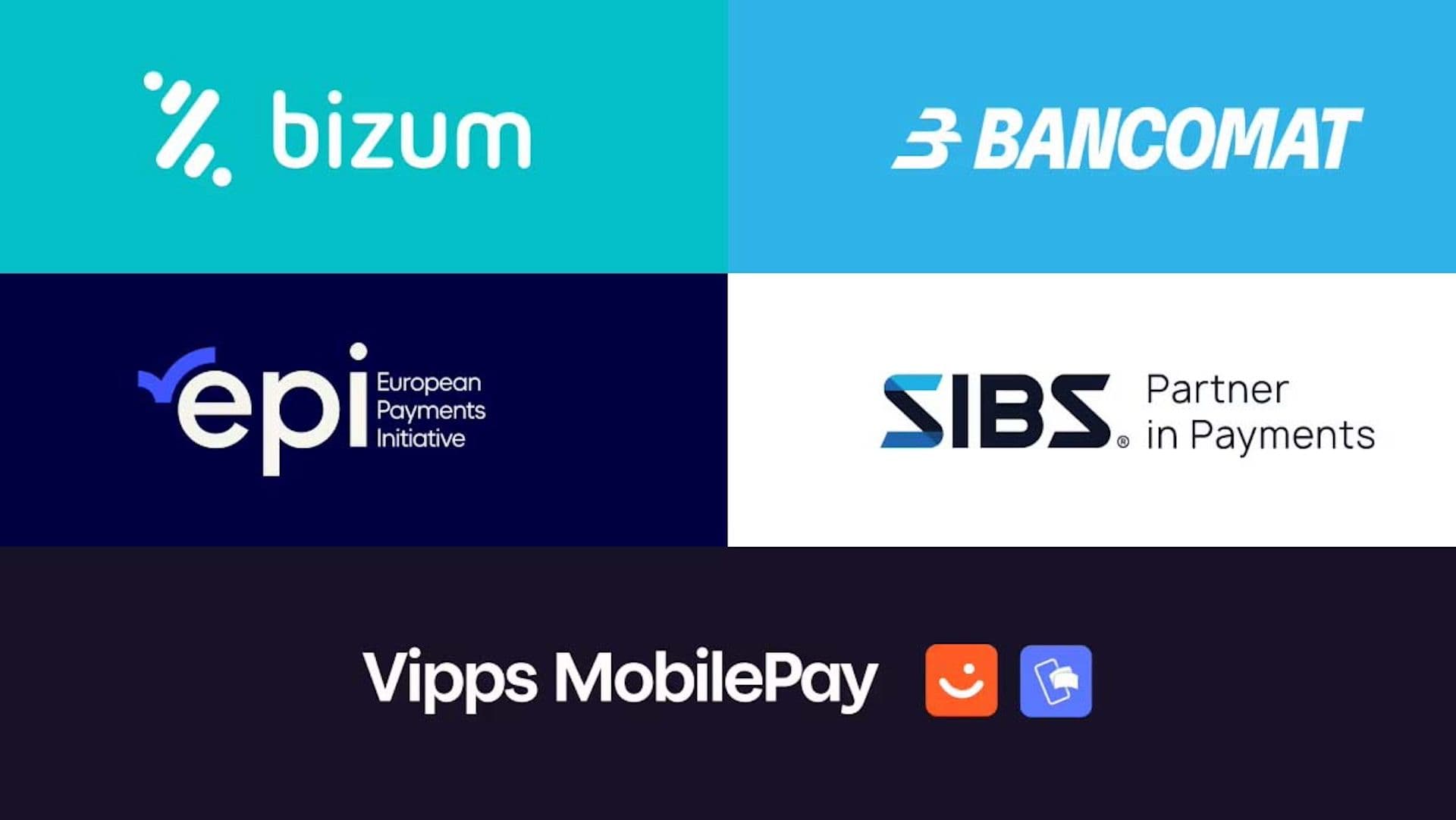
Five major European payment providers have signed an agreement to create the European Network for Payments (ENP), a new framework aimed at enabling cross-border interoperability and reducing reliance on US-dominated payment networks. The initiative is set to roll out in stages, starting with person-to-person payments and expanding to e-commerce and in-store transactions by 2027.
30 SEC SUMMARY
- Five major European payment providers—Bancomat, Bizum, MB WAY, Vipps MobilePay, and Wero—have agreed to create the European Network for Payments (ENP), a framework for cross-border interoperability.
- ENP aims to enable instant account-to-account payments, starting with person-to-person transactions across Europe.
- The initiative covers 130 million users, representing over 70% of the EU and Norway’s population.
- Full rollout of ENP, including e-commerce and in-store payments, is targeted for the end of 2027.
- The project reflects the EU’s push for digital sovereignty and reduced reliance on US-dominated payment networks.
TABLE OF CONTENTS
- European payment providers collaborate to launch ENP
- Scope and timeline
- EU pushes for digital sovereignty
- What this means
- Key takeaways
- FAQ
- Sources
KEY HIGHLIGHTS
- Five European payment providers—Bancomat, Bizum, MB WAY, Vipps MobilePay, and Wero—have signed an MoU to create the European Network for Payments (ENP).
- ENP aims to enable instant account-to-account payments, starting with person-to-person transactions across borders.
- The combined user base of the five platforms exceeds 130 million, covering over 70% of the EU and Norway’s population.
- ENP will expand to e-commerce and physical in-store payments by the end of 2027.
- The initiative aligns with the EU’s goal of reducing reliance on US-dominated payment networks.
European payment providers collaborate to launch ENP
Five major European payment providers—Bancomat (Italy), Bizum (Spain), MB WAY (Portugal), Vipps MobilePay (Norway), and Wero (EU)—have signed a memorandum of understanding to establish the European Network for Payments (ENP). According to TechRadar, the initiative aims to create a common framework for cross-border interoperability in the payments sector.
The ENP is designed to enable instant account-to-account payments, with person-to-person transactions as the initial focus. The goal is to reduce fragmentation in European payments and provide a viable alternative to global payment networks dominated by US companies.
Scope and timeline
The five payment platforms involved in ENP already serve a combined user base of 130 million, covering more than 70% of the EU and Norway’s population. This scale positions ENP as a significant player in the European payments landscape.
The rollout of ENP will occur in stages. Person-to-person payments are expected to be the first use case, followed by e-commerce and physical in-store payments. According to TechRadar, full implementation of all three payment types is targeted for the end of 2027.
EU pushes for digital sovereignty
The ENP initiative reflects broader efforts by the EU to enhance digital sovereignty and reduce reliance on US-dominated payment networks. TechRadar reports that in 2022, 61% of card transactions in the euro area were handled by international card schemes, primarily based in the US.
By fostering interoperability among European payment providers, ENP aims to create a more autonomous payments ecosystem. This aligns with the EU’s long-term strategy to strengthen its technological independence in critical sectors like finance.
What this means
Lazyfounder analysis — our interpretation, not reported fact.
This collaboration is a clear signal that Europe is serious about reducing its dependence on US-dominated payment networks. For founders and operators in the fintech space, ENP could open new opportunities for innovation, particularly in cross-border services and merchant solutions. However, the success of ENP will depend on execution—seamless interoperability, user adoption, and regulatory alignment across multiple markets are no small feats.
If ENP delivers on its promises, it could reshuffle the competitive landscape, giving European payment providers a stronger foothold against global giants. For now, it’s a space worth watching, especially for startups building products that rely on pan-European payment rails.
Key takeaways
- ENP is a collaborative initiative by five European payment providers to enable cross-border payments.
- The network will initially focus on person-to-person payments before expanding to e-commerce and in-store transactions.
- The five platforms already serve 130 million users, covering a majority of the EU and Norway’s population.
- The EU aims to reduce dependence on US-dominated payment networks through this initiative.
- Full implementation of ENP is expected by the end of 2027.
FAQ
What is the European Network for Payments (ENP)?
ENP is a collaborative framework initiated by five major European payment providers—Bancomat, Bizum, MB WAY, Vipps MobilePay, and Wero—to enable cross-border interoperability for instant account-to-account payments.
Who are the participants in ENP?
The participants are Bancomat (Italy), Bizum (Spain), MB WAY (Portugal), Vipps MobilePay (Norway), and Wero (EU). Together, they serve over 130 million users across Europe.
What is the timeline for ENP’s rollout?
ENP will be rolled out in stages, starting with person-to-person payments. E-commerce and physical in-store payments are expected to be added by the end of 2027.
Why is ENP significant for the EU?
ENP aims to reduce the EU’s reliance on US-dominated payment networks and enhance digital sovereignty. It represents a step toward creating a more autonomous European payments ecosystem.
How will ENP impact fintech startups?
ENP could create new opportunities for fintech startups, particularly those focused on cross-border payments, merchant services, and pan-European financial products. However, its success will depend on execution and adoption.
Related on Lazyfounder
Sources
- TechRadar · 2026-10-05
EU payment providers are building a new network to cut down on US tech reliance
This story is an original summary drafted with AI by Lazyfounder from the reporting listed above and checked by automated validation. Facts are attributed to their original publishers; sections marked as analysis are Lazyfounder's. Where a source is in another language, facts were machine-translated and quotations are reported, not reproduced. Read the original coverage via the links, and see our AI policy and corrections policy.

About the author
Editor, Lazyfounder
Tarun Mottlia edits LazyFounders, covering Indian startups, funding rounds, AI and product launches. Every story on the site is AI-assisted and checked against its cited sources before publication.
More stories by Tarun MottliaGet the LazyFounder Brief
Startup, funding and AI news in a five-minute read. Join the early-access list.
