
Estonia approves 24/7 robotic pharmacies—no pharmacist required
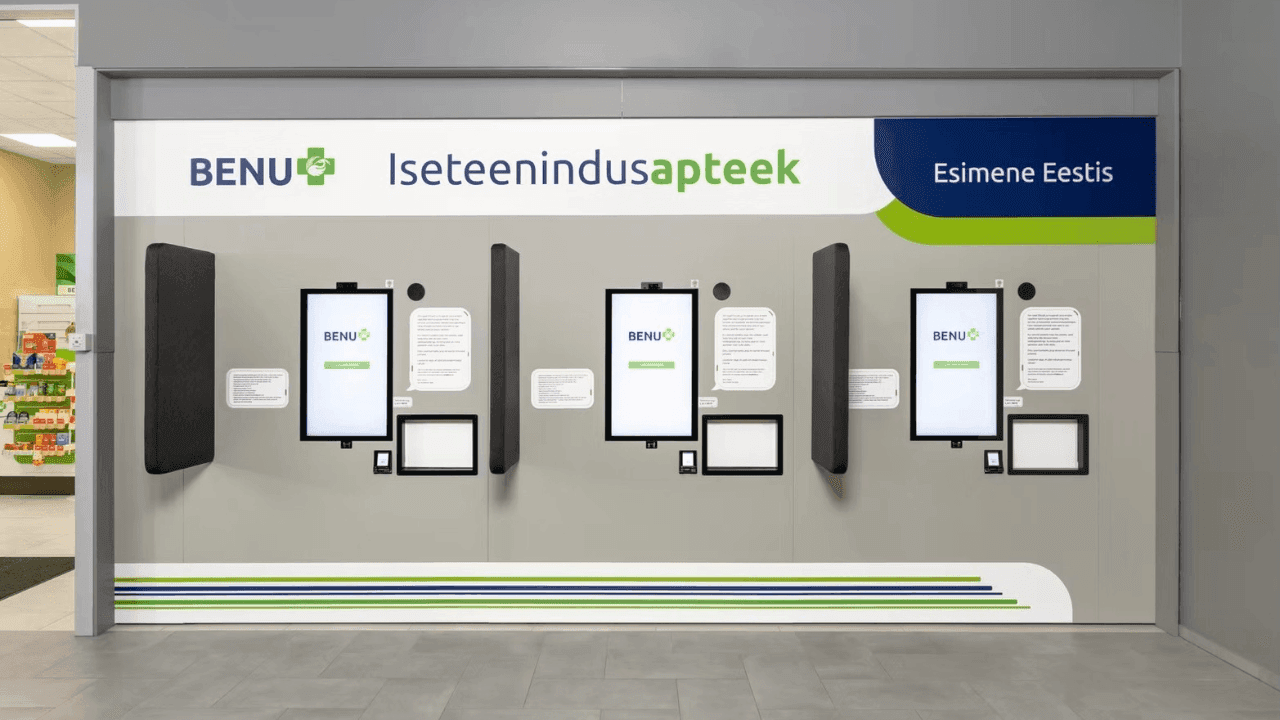
Estonia’s government has approved draft laws to let pharmacies operate 24/7 without on-site pharmacists. If parliament agrees, robotic units could start dispensing prescriptions in March 2027—potentially the first such system in Europe. Patients would verify their identity digitally, consult a pharmacist via video, and collect their medicine from a secure robotic unit.

Editor, Lazyfounder
30 SEC SUMMARY
- Estonia’s government has green-lit a plan to install robotic pharmacies that operate 24/7 without on-site staff.
- The system, developed by startup Grab2Go, could debut in March 2027—potentially the first of its kind in Europe.
- Patients will verify identities digitally, consult pharmacists via video, and receive medicines from secure robotic units.
- A government-backed sandbox let Grab2Go test its tech despite laws banning automated pharmacies.
- The model aims to ease pharmacist shortages and improve rural access, with operators projecting break-even in two to three years.
TABLE OF CONTENTS
KEY HIGHLIGHTS
- Draft legislation approved—Estonia targets March 2027 for 24/7 robotic pharmacies.
- First in Europe: patients could get prescriptions without a pharmacist on site.
- Grab2Go’s system combines digital ID checks, video consultations, and robotic dispensing.
- Regulatory sandbox let Grab2Go test its tech despite existing laws.
- 53% of Estonian pharmacists are over 50, signalling a coming workforce shortage.
- Canada, Sweden, Norway, and Austria are monitoring Estonia’s model.
A 2027 start—and a European milestone
Estonia’s government has approved changes to its Medicinal Products Act that will let pharmacies operate around the clock—without a pharmacist on site. Parliament still needs to sign off, but if it does, the new rules could take effect on 1 March 2027. That would make Estonia the first country in Europe to allow fully automated prescription dispensing.
The driving force is Grab2Go, an Estonian startup whose pilot project showed regulators that robotic pharmacies can work safely. Patients will verify their identity digitally, consult a pharmacist via video, and receive their medicine from a secure robotic unit.
How the system works
Grab2Go’s system relies on three layers. First, patients use a touchscreen to select their medication. Next, they scan their ID—Estonia’s digital identity infrastructure handles verification. Finally, they speak to a licensed pharmacist via video call before a robot retrieves the medicine from a steel enclosure.
During a six-month pilot, the robots never malfunctioned, but some users needed help with digital ID checks. The proposed law is deliberately neutral, so other companies can build competing systems as long as they meet the same safety standards.
Bypassing the regulatory Catch-22
Grab2Go’s co-founders, Mart Viilipus and Reio Orasmäe, hit a wall early on. Regulators wanted proof their system worked, but existing laws banned it. Their workaround? Accelerate Estonia, a government programme that creates legal space for startups to test innovations even when regulations say no.
Accelerate Estonia, working with the Medicines Board and Ministry of Social Affairs, built a framework that let Grab2Go run its pilot. The data gathered helped persuade officials to draft the legislation now awaiting parliamentary approval.
Tackling workforce gaps and rural access
Estonia is facing a looming shortage of pharmacists. More than half—53%—are over 50, and 43% of pharmaceutical technicians are in the same age bracket. With retirements looming, automated pharmacies could help reallocate staff to rural areas where access is scarce.
Olari Püvi, who heads Accelerate Estonia, puts it plainly: “Estonia has rural communities and islands where access to pharmacies can be difficult.” Robotic units could serve those areas 24/7, while pharmacists handle consultations remotely from urban hubs.
Grab2Go tells pharmacy operators they can expect a return on investment within two to three years—a timeline that could speed up adoption.
A tech supplier, not a pharmacy—with global interest
Grab2Go won’t run the pharmacies itself. Instead, it plans to sell or lease its hardware and software to existing operators, positioning itself as a technology supplier. This B2B model has already drawn interest from Canada, Sweden, Norway, and Austria—all countries wrestling with their own pharmacist shortages and rural access issues.
The proposed legislation is flexible. While designed for prescription medicines, the same technology could eventually handle other regulated products, like medical cannabis, as long as they require secure storage, identity checks, and professional approval.
Once parliament approves the bill, regulators will need three to four months to prepare digital systems and notify operators. Until then, Grab2Go and potential rivals can refine their systems—knowing Estonia is setting a precedent others may follow.
What this means
Lazyfounder analysis — our interpretation, not reported fact.
If Estonia succeeds, other EU countries may adopt similar rules—creating a ready-made template for startups stuck in regulatory limbo.
Key takeaways
- Estonia’s draft law carves out a legal path for robotic pharmacies, giving startups in regulated industries a clearer route to market.
- The government’s sandbox programme lets innovations be tested before laws are changed, solving the ‘prove it first’ dilemma.
- Grab2Go’s business model targets pharmacy operators, not patients, with a promise of ROI within three years.
- Automated units could help rural communities and countries facing pharmacist shortages—Canada and Nordic nations are already watching.
Related on Lazyfounder
Sources
- Tech.eu · 2026-11-05
Estonia approves 24/7 robotic pharmacies, paving the way for a European first
This story is an original summary drafted with AI by Lazyfounder from the reporting listed above and checked by automated validation. Facts are attributed to their original publishers; sections marked as analysis are Lazyfounder's. Where a source is in another language, facts were machine-translated and quotations are reported, not reproduced. Read the original coverage via the links, and see our AI policy and corrections policy.

About the author
Editor, Lazyfounder
Tarun Mottlia edits LazyFounders, covering Indian startups, funding rounds, AI and product launches. Every story on the site is AI-assisted and checked against its cited sources before publication.
More stories by Tarun MottliaGet the LazyFounder Brief
Startup, funding and AI news in a five-minute read. Join the early-access list.
