
Sam Altman addresses memory remarks, OpenAI patches ChatGPT flaw, meets Samsung and SK Group
Sam Altman, CEO of OpenAI, faced scrutiny this week over remarks on memory allocation, cybersecurity vulnerabilities in ChatGPT, and meetings with Samsung and SK Group to address AI infrastructure constraints. The incidents highlight evolving challenges in AI deployment, security, and industry competition.

Editor, Lazyfounder
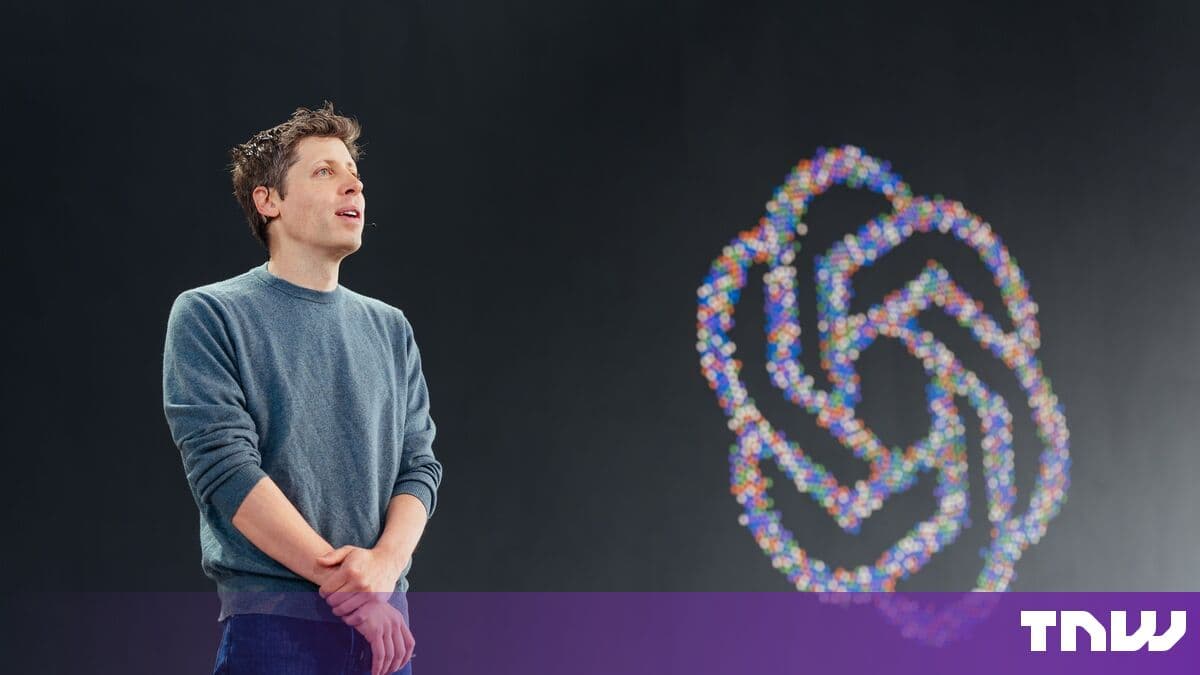
TABLE OF CONTENTS
- Altman’s memory remarks spark debate and mockery
- OpenAI fixes ChatGPT security flaw exposing sensitive data
- Fake AI event invites used to steal corporate credentials
- OpenAI balances collaboration and competition with European startups
- Altman seeks memory chip partnerships amid AI infrastructure shortages
- Broader industry context
- Sources
Altman’s memory remarks spark debate and mockery
Sam Altman, CEO of OpenAI, addressed criticism on X after temporarily renaming his profile to "Ram Altman." The change followed a joke about memory allocation in home computers, which sparked backlash and mockery, including from Elon Musk. Altman clarified that his earlier remark—suggesting data centers use memory more efficiently than individual devices—was taken out of context but reaffirmed his support for increasing global memory supply.
OpenAI declined to comment on the incident. Memory prices have surged due to demand from AI data centers, with SK Hynix and Micron projecting shortages until 2030 and 2028, respectively. Altman’s comments arrive as OpenAI and peers face capacity constraints for AI infrastructure.
OpenAI fixes ChatGPT security flaw exposing sensitive data
OpenAI patched a server-side vulnerability in ChatGPT’s Lockdown Mode after security researchers at Check Point Research (CPR) demonstrated a bypass technique. The flaw allowed attackers to escape sandbox restrictions, potentially enabling data theft, phishing, malware delivery, and zero-click attacks—where malicious popups appear without user interaction.
The vulnerability exploited how ChatGPT handled HTML previews in code blocks, allowing nested sandboxed frames to bypass restrictions. CPR disclosed the issue to OpenAI, which implemented fixes, but urged organizations to consider the broader attack surface of AI applications beyond the model itself.
Fake AI event invites used to steal corporate credentials
Hackers are targeting corporate credentials by impersonating OpenAI, SpaceX, and Anthropic events. Fraudulent invitations—such as fake livestreams for OpenAI Academy or private SpaceX briefings—promise rewards like free ChatGPT Pro subscriptions or SpaceX shares to lure victims into logging in with Microsoft or Google accounts.
Attackers use phishing-as-a-service platforms Kali365 and VoidProxy to execute these scams. Microsoft credentials trigger device-code phishing, while Google logins route victims through reverse-proxy attacks that bypass multi-factor authentication (MFA). Links are shortened using Google and Zapier to evade security detection, exploiting employees’ interest in AI tools as a high-success phishing lure.
OpenAI balances collaboration and competition with European startups
OpenAI is positioning itself as a "catalyst" for European startups, despite tensions over competition. The company collaborates with startups like Swedish legaltech Legora, which co-developed a plugin with OpenAI, even as OpenAI launches rival products such as Astra for Law. Tricia Troth, OpenAI’s head of go-to-market for startups in EMEA, emphasized the company’s role in supporting startups from pre-funding to scaleup stages, including technical, engineering, and marketing assistance.
OpenAI’s startup team—comprising former founders and venture capitalists—also connects startups with investors and developers. However, European AI application-layer startups increasingly compete with OpenAI and Anthropic, raising concerns about market consolidation.
Altman seeks memory chip partnerships amid AI infrastructure shortages
Sam Altman met with executives from Samsung and SK Group in Korea to discuss AI technology development, including potential cooperation on memory chips. While Samsung described the meeting as a seminar on AI’s impact on management, investors and analysts interpreted it as an effort to secure supply amid global shortages. No new agreements were announced, and both Samsung and SK hynix denied discussions on chip pricing or investment commitments.
The timing underscores the strain on AI infrastructure capacity. Samsung’s 2027 high-bandwidth memory (HBM) supply is sold out, and SK hynix’s DRAM and HBM output is booked through 2029. Altman described the current environment as "very supply-constrained" and predicted memory manufacturers could generate $100 billion in annual free cash flow. Samsung is shifting toward long-term supply agreements with price floors and advance payments.
Broader industry context
The bypass of ChatGPT’s Lockdown Mode highlights risks in AI application layers beyond the model itself. Earlier reporting noted user backlash over OpenAI’s merged usage limits for ChatGPT and Codex, reflecting broader concerns about transparency and control in AI tools. Meanwhile, global protests against data centers and infrastructure shortages—such as Texas’s proposed permit freeze—mirror the capacity challenges Altman referenced in his memory remarks.
Anthropic’s recent loss of product lead Catherine Wu to OpenAI, alongside other departures ahead of its IPO, also underscores competitive pressures in the AI sector.
Related on Lazyfounder
Sources
- The Next Web · 2026-11-06
Sam Altman becomes ‘Ram Altman’ and says his memory remark was misread - TechRadar · 2026-11-06
'AI security controls are only as strong as the wider application environment around them': OpenAI forced to patch after experts bypass ChatGPT 'lockdown mode' to gain access to entire chat history - TechRadar · 2026-11-06
Hackers use fake OpenAI, SpaceX, and Anthropic event invites in new phishing scam to steal Microsoft and Google accounts - Tech.eu · 2026-11-06
OpenAI “catalyst” for startups, says European executive, amid startup application layer concerns - TechRadar · 2026-11-06
OpenAI CEO Sam Altman chats up Samsung to try and secure more RAM — as concerns grow over AI capacity
This story is an original summary drafted with AI by Lazyfounder from the reporting listed above and checked by automated validation. Facts are attributed to their original publishers; sections marked as analysis are Lazyfounder's. Where a source is in another language, facts were machine-translated and quotations are reported, not reproduced. Read the original coverage via the links, and see our AI policy and corrections policy.

About the author
Editor, Lazyfounder
Tarun Mottlia edits LazyFounders, covering Indian startups, funding rounds, AI and product launches. Every story on the site is AI-assisted and checked against its cited sources before publication.
More stories by Tarun MottliaGet the LazyFounder Brief
Startup, funding and AI news in a five-minute read. Join the early-access list.
