
Doom Ported to 1982 Vectrex Console Using Custom Hardware
A modder has brought the classic first-person shooter Doom to the Vectrex, a 1982 home console known for its vector-based display. The port uses a custom cartridge to bypass the console’s hardware limitations, transforming the game into a Tron-like vector art experience.

Editor, Lazyfounder
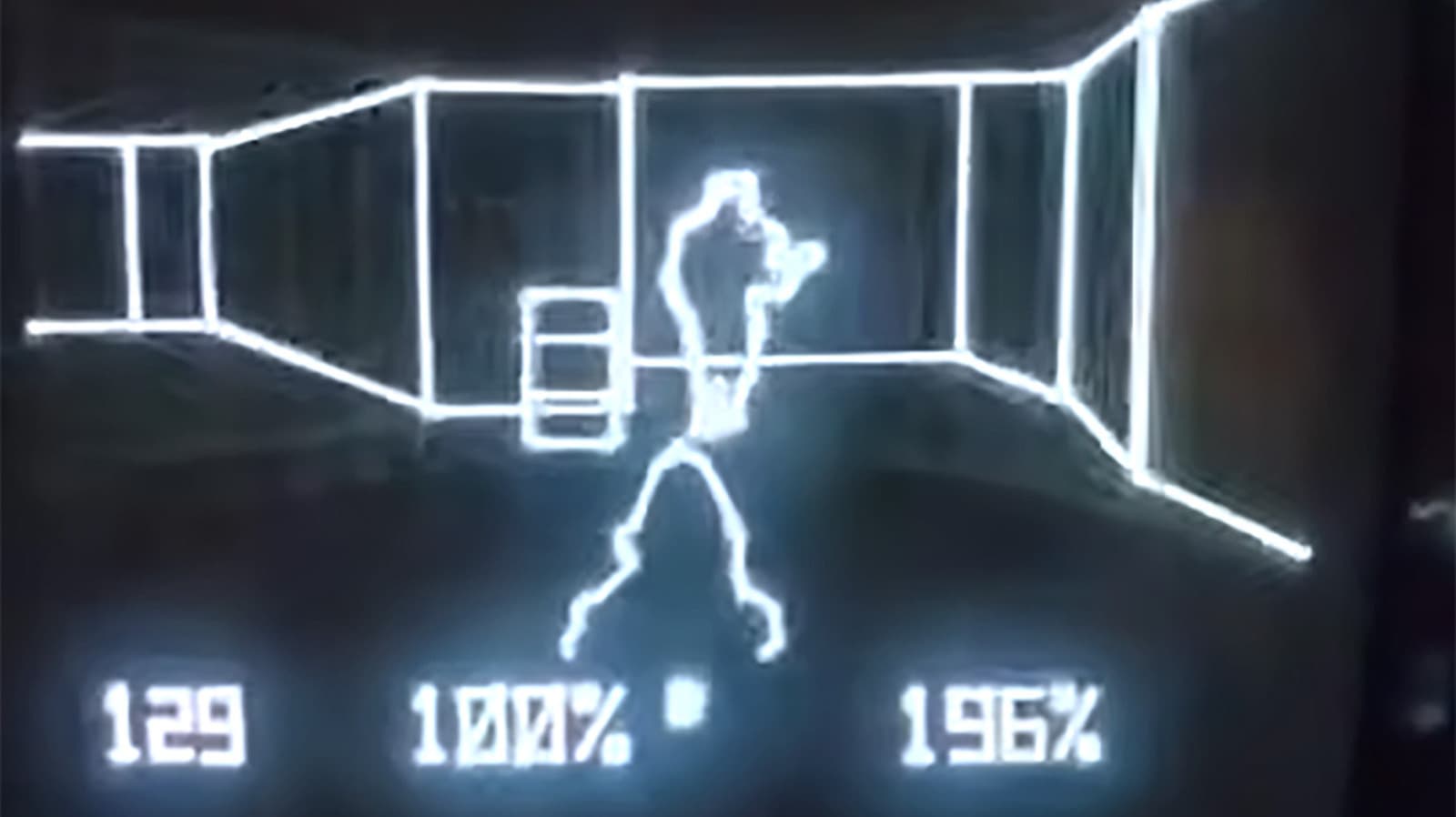
A modder has brought the classic first-person shooter Doom to the Vectrex, a 1982 home console known for its vector-based display. The port uses a custom cartridge to bypass the console’s hardware limitations, transforming the game into a Tron-like vector art experience.
30 SEC SUMMARY
- A modder has ported Doom (1993) to the Vectrex, a 1982 vector-based home console, using a custom cartridge called the Ultimate Vectrex Multicart 2 (UVMC2).
- The UVMC2 acts as a plug-in PC to handle processing, while the Vectrex’s CRT display renders Doom as a Tron-like vector art experience.
- The port relies on an SDK created by modder Daniel Ferrer Guerrero, with audio output through the cartridge’s 3.5mm jack.
- The Vectrex is the only home console ever released with vector-based display technology.
- Doom has a history of being ported to unusual devices, from iPods to toasters.
TABLE OF CONTENTS
- Doom Comes to the Vectrex
- How the Port Works
- The Role of Community Tools
- Why the Vectrex’s Display Matters
- What this means
- Key takeaways
- FAQ
- Sources
KEY HIGHLIGHTS
- Doom has been ported to the Vectrex, a 1982 home console with vector-based display technology.
- The port uses a custom cartridge, the Ultimate Vectrex Multicart 2 (UVMC2), which acts as a plug-in PC to handle processing.
- The Vectrex’s vector display renders Doom in a minimalist, Tron-like style.
- Audio is output through the cartridge’s 3.5mm jack, separate from the console’s built-in hardware.
- The project relies on an SDK created by modder Daniel Ferrer Guerrero.
Doom Comes to the Vectrex
Modder Jason Kopp has successfully ported Doom (1993) to the Vectrex, a home console released in 1982 that uses vector-based display technology. According to Engadget, the port relies on a custom cartridge called the Ultimate Vectrex Multicart 2 (UVMC2), which acts as a plug-in PC to handle processing. The Vectrex’s built-in CRT display renders the game as a minimalist, Tron-like vector art experience.
How the Port Works
The UVMC2 cartridge is central to the port’s functionality. According to Engadget, it functions as a small computer, offloading the processing required to run Doom from the Vectrex’s limited hardware. The console’s CRT is used solely for display, while audio is routed through a 3.5mm output on the cartridge itself.
The Role of Community Tools
The project was made possible by an SDK developed by modder Daniel Ferrer Guerrero. While the Vectrex lacks the hardware to natively run Doom, community-driven tools like this SDK have enabled similar unconventional ports, from graphing calculators to smart toasters. Doom’s modular codebase has made it a favorite for such experiments.
Why the Vectrex’s Display Matters
The Vectrex is the only home console ever released with vector-based display technology. Unlike traditional raster graphics, which render images as a grid of pixels, vector graphics draw images using lines between points. This gives the Vectrex’s version of Doom its distinctive, wireframe appearance, reminiscent of the 1982 film Tron.
What this means
Lazyfounder analysis — our interpretation, not reported fact.
This project exemplifies the creativity and technical skill of the retro gaming community. While the Vectrex was never designed to run a game as complex as Doom, the modders have circumvented its limitations by offloading processing to a custom cartridge. The result is a novelty rather than a playable experience—Doom’s fast-paced gameplay and detailed environments are reduced to minimalist vector graphics, losing much of the original’s atmosphere and challenge.
For founders and operators, this underscores how niche communities can drive innovation, even in seemingly outdated technology. The UVMC2’s role as a "plug-in PC" also highlights the potential for modular hardware to extend the lifespan of legacy devices, a lesson that could apply to other industries where hardware limitations are a barrier to adoption.
Key takeaways
- Doom has been ported to the Vectrex, a 1982 vector-based home console, using a custom cartridge (UVMC2) that handles processing.
- The Vectrex’s vector display technology transforms Doom into a Tron-like visual experience, though gameplay is limited by the console’s hardware.
- Audio for the port is output through the cartridge’s 3.5mm jack, separate from the Vectrex’s built-in hardware.
- The port relies on an SDK developed by modder Daniel Ferrer Guerrero, demonstrating the role of community tools in enabling niche projects.
- Doom has a history of being ported to unconventional devices, reflecting its status as a benchmark for technical creativity.
FAQ
Can the Vectrex run Doom natively?
No. The Vectrex lacks the hardware to run Doom without assistance. The port relies on a custom cartridge, the Ultimate Vectrex Multicart 2 (UVMC2), which acts as a plug-in PC to handle processing.
Why does the Vectrex version of Doom look like vector art?
The Vectrex uses vector-based display technology, which renders images using lines between points rather than pixels. This gives the port its distinctive, minimalist appearance, similar to the visual style of Tron.
How is audio handled in the port?
Audio is output through a 3.5mm jack on the UVMC2 cartridge, separate from the Vectrex’s built-in hardware.
Who created the tools used for this port?
The port relies on an SDK developed by modder Daniel Ferrer Guerrero, which enabled the technical work behind the project.
Related on Lazyfounder
Sources
- Engadget · 2026-10-06
Doom On The Vectrex Turns The Classic Shooter Into Tron-Like Vector Art
This story is an original summary drafted with AI by Lazyfounder from the reporting listed above and checked by automated validation. Facts are attributed to their original publishers; sections marked as analysis are Lazyfounder's. Where a source is in another language, facts were machine-translated and quotations are reported, not reproduced. Read the original coverage via the links, and see our AI policy and corrections policy.

About the author
Editor, Lazyfounder
Tarun Mottlia edits LazyFounders, covering Indian startups, funding rounds, AI and product launches. Every story on the site is AI-assisted and checked against its cited sources before publication.
More stories by Tarun MottliaGet the LazyFounder Brief
Startup, funding and AI news in a five-minute read. Join the early-access list.
