
US Homeland Security runs expansive surveillance on left-wing groups under Trump directive
A WIRED investigation reveals that the US Department of Homeland Security (DHS) and Immigration and Customs Enforcement (ICE) are conducting one of the largest surveillance operations targeting left-wing and anti-administration groups in US history. The operations, authorized under a Trump-era directive, have led to the prosecution of activists and drawn comparisons to the FBI’s infamous COINTELPRO program.

Editor, Lazyfounder
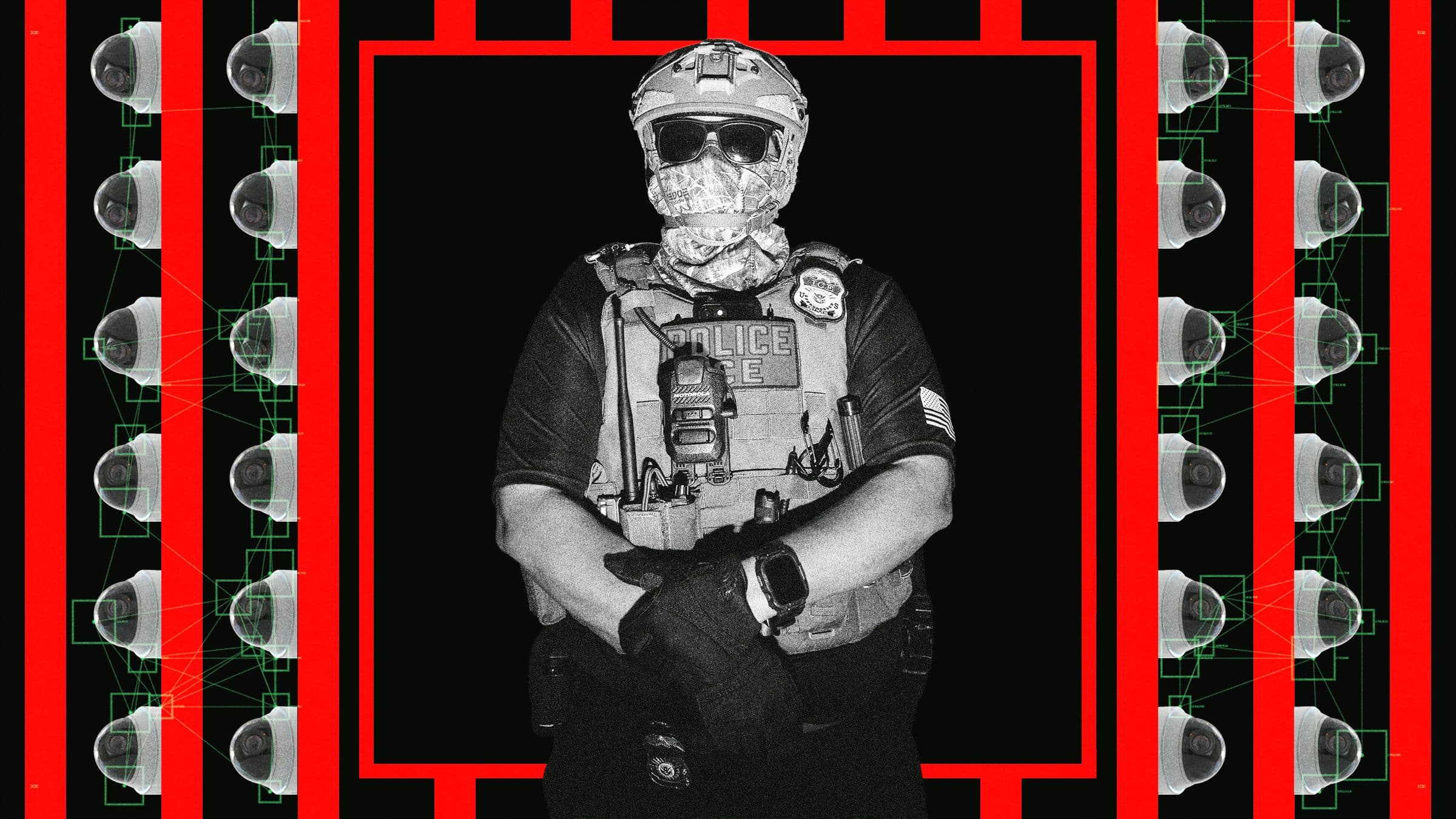
TABLE OF CONTENTS
KEY HIGHLIGHTS
- DHS and ICE are running surveillance operations named Project Whipple Shield and Operation Puppet Master, authorized by National Security Presidential Memorandum 7 (NSPM 7) under the Trump administration.
- More than 120 HSI agents, including 11 undercover operatives, were assigned to the Minnesota 15 case, using tools like Reaper drones, Patriot Act authorities, and financial surveillance.
- Operation Keyhole, an HSI undercover program dating back to 2008, funded the prosecution and at least 77 other investigations into activists and groups opposing immigration policies.
- Surveillance included infiltration of churches, analysis of Signal chats, website traffic monitoring, and data from commercial brokers to identify targets.
Surveillance operations target activists under NSPM 7
According to WIRED, the Department of Homeland Security (DHS) is conducting large-scale surveillance operations targeting left-wing and anti-administration groups under Project Whipple Shield and Operation Puppet Master. These operations were authorized by National Security Presidential Memorandum 7 (NSPM 7), a directive issued during the Trump administration that instructs federal law enforcement to use "every tool available" against groups critical of its policies.
The memo specifically targets organizations and individuals accused of espousing "anti-Christian" ideas or opposing immigration policies, according to claims reviewed by WIRED. The scale of the operations has drawn comparisons to the FBI’s COINTELPRO, which targeted civil rights and anti-war movements in the 1960s and 1970s.
Minnesota 15 case highlights scope of surveillance
The prosecution of the Minnesota 15, a group of activists accused of conspiracy for monitoring federal agents during immigration enforcement actions, stems from these operations. Defense attorneys and former law enforcement officials claim the case is part of a broader intelligence-gathering effort that began before Operation Metro Surge, a Trump administration crackdown on community response networks in late 2025.
More than 120 Homeland Security Investigations (HSI) agents, including 11 undercover operatives, were assigned to the case. Surveillance techniques included Reaper drones, Patriot Act tools, and the monitoring of financial transactions, website traffic, and Signal chats.
Operation Keyhole funds undercover investigations
The Minnesota 15 prosecution was funded by Operation Keyhole, an HSI undercover program established in 2008. The program has financed at least 77 investigations into areas such as narcotics trafficking, child sexual abuse, financial crimes, and counter-proliferation since its inception. As of June 2026, it was underwriting multiple active undercover operations in the Minneapolis–Saint Paul area.
Undercover agents infiltrated churches, martial arts trainings, know-your-rights sessions, and community meetings attended by activists. HSI teams also photographed license plates and used drones to track activists’ movements in the Twin Cities region. Agents accessed SSH session logs and Stripe payment data to identify individuals linked to the groups under investigation.
Critics compare operations to COINTELPRO
Former law enforcement officials and defense attorneys have compared the DHS-run surveillance campaign to the FBI’s COINTELPRO, which targeted civil rights leaders and anti-war activists during the 1950s–1970s. Mike German, a retired FBI agent and critic of federal law enforcement, told WIRED that the operations reflect a broader pattern of politically motivated surveillance.
Frank Rafalko, a former CIA officer, added that the scale of the Minnesota 15 case—with 62 HSI agents working on it—exceeds the resources once devoted to the CIA’s Operation MH/Chaos, which targeted anti-war movements during the Vietnam War.
The operations have raised concerns about First Amendment violations, particularly the use of financial surveillance, commercial data brokers, and administrative summons to obtain journalists’ phone records. Critics argue that such measures risk chilling activism and dissent.
What this means
Lazyfounder analysis — our interpretation, not reported fact.
This investigation reveals a significant escalation in federal law enforcement’s approach to monitoring activism and dissent under the Trump administration. For founders, operators, and investors—particularly those in technology, media, or advocacy—the story underscores the risks of operating in spaces where surveillance tools are deployed at scale.
The use of commercial data brokers, financial surveillance, and undercover infiltration means that even lawful organizing or digital activities could draw unwanted scrutiny. Companies in the communication, payment processing, or data analytics sectors may face pressure to comply with law enforcement requests, potentially exposing them to legal or reputational risks.
The comparison to COINTELPRO is a reminder of how quickly policy shifts can reframe activism as a national security threat. For startups working on privacy tools, secure communications, or activist platforms, this story highlights both a market opportunity and a regulatory minefield.
Related on Lazyfounder
Sources
This story is an original summary drafted with AI by Lazyfounder from the reporting listed above and checked by automated validation. Facts are attributed to their original publishers; sections marked as analysis are Lazyfounder's. Where a source is in another language, facts were machine-translated and quotations are reported, not reproduced. Read the original coverage via the links, and see our AI policy and corrections policy.

About the author
Editor, Lazyfounder
Tarun Mottlia edits LazyFounders, covering Indian startups, funding rounds, AI and product launches. Every story on the site is AI-assisted and checked against its cited sources before publication.
More stories by Tarun MottliaGet the LazyFounder Brief
Startup, funding and AI news in a five-minute read. Join the early-access list.
