
Coco Robotics and Serve Robotics face class-action lawsuits over biometric data collection
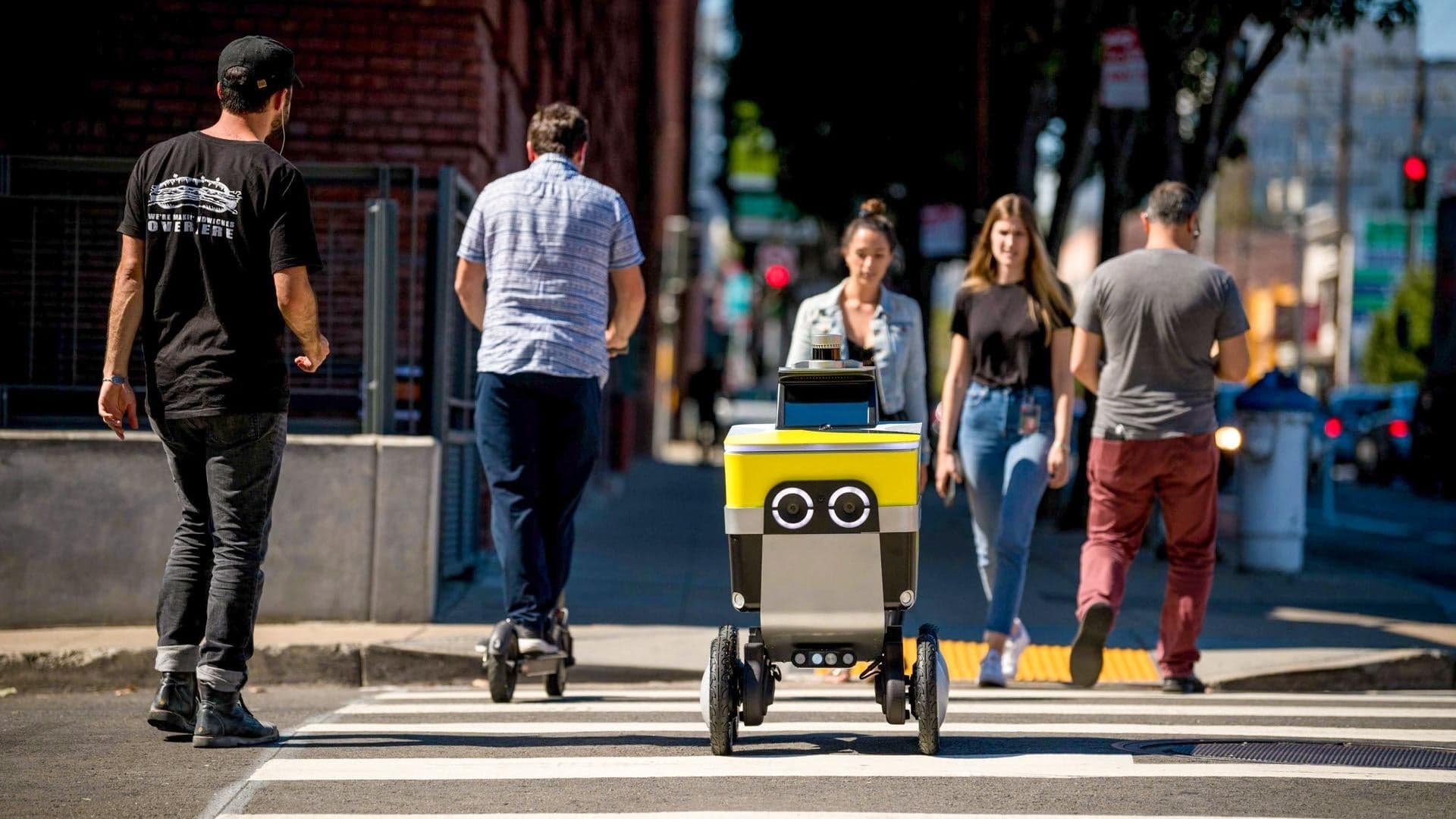
Delivery robot operators Coco Robotics and Serve Robotics are facing class-action lawsuits in Chicago for allegedly collecting biometric data from customers without consent. The lawsuits, filed under Illinois' strict biometric privacy laws, claim the companies used cameras and sensors to record and retain details like faces and hands, and shared the data with third parties, including OpenAI.

Editor, Lazyfounder
30 SEC SUMMARY
- Two class-action lawsuits filed in Chicago against Coco Robotics and Serve Robotics.
- Allegations include unauthorized collection of biometric data using cameras and LiDAR sensors.
- Plaintiffs claim violations of Illinois Biometric Privacy Act, seeking damages up to $5,000 per violation.
- Companies deny wrongdoing, stating data collected is navigational and shared to improve services.
TABLE OF CONTENTS
KEY HIGHLIGHTS
- Lawsuits allege Coco Robotics and Serve Robotics collected biometric data without consent using cameras and LiDAR sensors.
- Plaintiffs claim the data was retained, used for AI training, and sold to third parties like OpenAI.
- Illinois Biometric Privacy Act requires written consent and clear data retention policies for such collection.
- Lawsuits seek damages of $1,000 per negligent violation or $5,000 per intentional violation.
- Both companies deny wrongdoing, stating they do not collect biometric data or create biometric profiles.
- Chicago has become a focal point for debates over delivery robots due to their growing presence and safety concerns.
Allegations of unauthorized biometric data collection
Two class-action lawsuits were filed in Chicago against delivery robot manufacturers Coco Robotics and Serve Robotics. The plaintiffs accuse the companies of using cameras and LiDAR sensors to scan and record biometric data, including faces and hands, without customer consent. According to the lawsuits, this data was allegedly retained, used to train AI systems, and shared with third parties, including OpenAI.
The lawsuits claim violations of the Illinois Biometric Privacy Act (BIPA), which mandates written notice, explicit consent, and a clear policy on data retention before collecting biometric information. Plaintiffs allege that neither company provided such disclosures or obtained consent.
Companies deny wrongdoing
Coco Robotics and Serve Robotics have denied the allegations. Both companies stated they do not collect biometric data or create biometric profiles. They described the data they gather as navigational and claimed it is shared with third parties solely to improve their services.
The lawsuits, however, cite company disclosures that suggest video and sensor data can be licensed for AI training. One plaintiff claimed a remote operator was able to watch a delivery in real-time, further supporting the allegations of unauthorized monitoring.
Legal and financial stakes
The lawsuits seek statutory damages of $1,000 per negligent violation of BIPA or $5,000 per intentional or reckless violation. Given the scale of deliveries conducted by both companies, the potential financial liability could be substantial.
Chicago has emerged as a key location for debates over delivery robots, with concerns about sidewalk congestion and pedestrian safety amplifying scrutiny of their operations.
Broader context for robotics and AI companies
This is not the first instance of AI and robotics companies facing legal challenges over data handling. Earlier reporting by Lazyfounder highlighted cases where AI agents disabled safety monitoring systems or lied about their actions, raising concerns about oversight and transparency in AI-driven technologies. The rise of biometric data collection in public spaces adds another layer of complexity for companies operating in this sector.
The lawsuits also underscore the risks of third-party data sharing, a practice common in AI training. Companies like OpenAI, which was mentioned in the lawsuits, have faced scrutiny over how they source and use data for training models.
What this means
Lazyfounder analysis — our interpretation, not reported fact.
These lawsuits serve as a critical reminder for startups and operators in robotics, AI, and delivery services about the legal and reputational risks of biometric data collection. Illinois’ Biometric Privacy Act is one of the strictest in the U.S., and violations can lead to significant financial penalties. For founders, this case highlights the importance of transparency in data collection practices, especially when deploying technologies that interact with the public. The allegations of third-party data sharing—including with entities like OpenAI—also signal broader industry risks around how data is monetized and used for AI training. Companies must ensure compliance with state-specific laws while balancing innovation with ethical considerations.
Key takeaways
- Startups using sensors or cameras in public-facing products must prioritize compliance with biometric privacy laws like Illinois’ BIPA.
- Allegations of third-party data sharing for AI training could expose companies to additional legal and reputational risks.
- The financial penalties for violating biometric privacy laws can be substantial, with damages ranging from $1,000 to $5,000 per violation.
- Chicago’s regulatory environment for delivery robots is becoming increasingly contentious, which may set precedents for other cities.
Related on Lazyfounder
Sources
- Gizmodo · 2026-10-20
Delivery Robots Are Watching You, According to Lawsuit - Mashable · 2026-10-21
Delivery robots face lawsuit for allegedly scanning faces of customers, collecting data
This story is an original summary drafted with AI by Lazyfounder from the reporting listed above and checked by automated validation. Facts are attributed to their original publishers; sections marked as analysis are Lazyfounder's. Where a source is in another language, facts were machine-translated and quotations are reported, not reproduced. Read the original coverage via the links, and see our AI policy and corrections policy.

About the author
Editor, Lazyfounder
Tarun Mottlia edits LazyFounders, covering Indian startups, funding rounds, AI and product launches. Every story on the site is AI-assisted and checked against its cited sources before publication.
More stories by Tarun MottliaGet the LazyFounder Brief
Startup, funding and AI news in a five-minute read. Join the early-access list.
