
Coventry RSPCA shelter at capacity as pet abandonments rise amid cost pressures
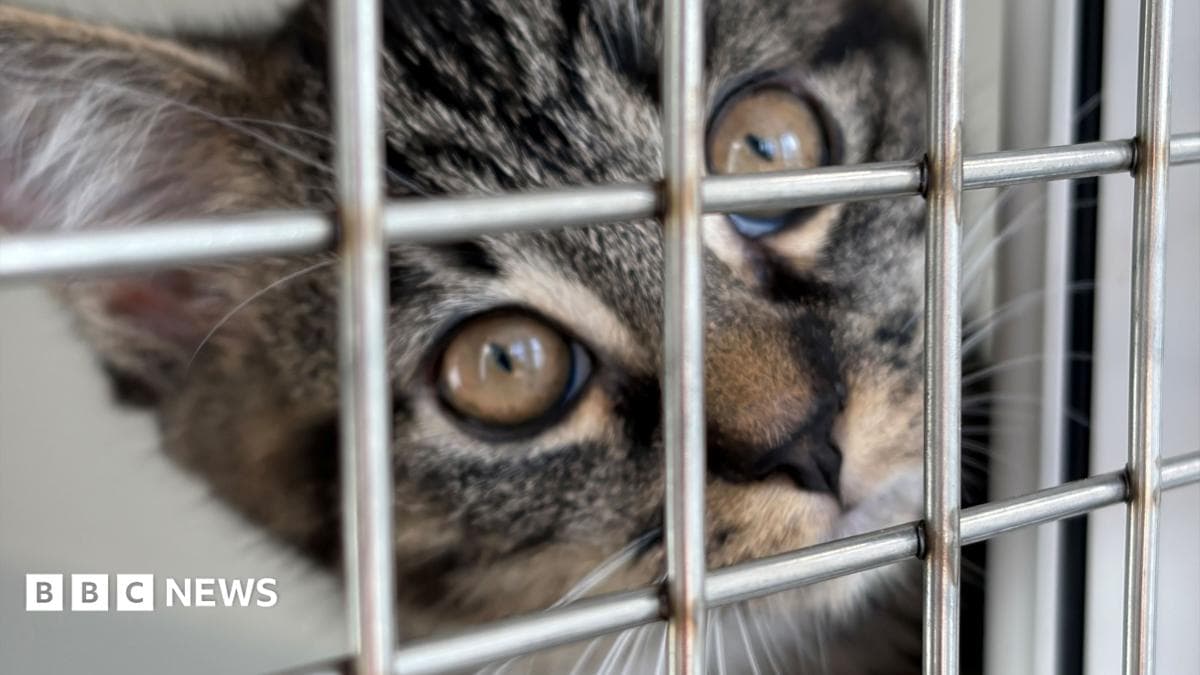
The Coventry branch of the RSPCA has reached full capacity with 80 cats, while 130 people remain on a waiting list to surrender their pets. Rising living costs and increased cat breeding are being blamed for the surge in abandonments, straining the shelter’s resources.

Editor, Lazyfounder
KEY HIGHLIGHTS
- Coventry RSPCA’s shelter is at full capacity with 80 cats, with a waiting list of 130 people seeking to surrender pets.
- The shelter’s monthly operating costs are £40,000, amid rising living costs affecting pet owners.
- Staff report cats being abandoned in cardboard boxes and carrier bags, with suspected increases in cat breeding contributing to rescues.
Shelter struggles with surging abandonments
The Coventry RSPCA shelter, located on Coundon Wedge Drive, is currently housing 80 cats—its maximum capacity—and has a waiting list of 130 people looking to surrender pets. According to staff, the rise in abandonments is linked to financial pressures faced by pet owners, including higher costs for insurance, vet care, and general living expenses.
Reasons behind the rise in rescues
Staff at the shelter report finding abandoned cats left in cardboard boxes and carrier bags outside the centre. They suspect an increase in cat breeding may also be contributing to the higher number of rescues, as unplanned litters add to the shelter’s burden.
Costs and support measures
Operating the Coventry RSPCA shelter costs approximately £40,000 per month. Despite the financial strain, the organisation may offer support to struggling pet owners through provisions like pet food or discounted vet care at its own clinic, though capacity remains limited.
What this means
Lazyfounder analysis — our interpretation, not reported fact.
This situation reflects broader challenges for animal welfare organisations, particularly as economic pressures reshape pet ownership trends. For founders and operators in the pet care or non-profit sectors, the surge in abandonments signals a need to adapt services—whether through preventive care, community support programs, or scalable solutions to manage increased demand. The strain on shelters also highlights opportunities for innovation, such as partnerships with veterinary clinics or crowdfunding initiatives to alleviate financial burdens. However, it underscores the urgency of addressing root causes, like unchecked breeding or affordability barriers, to prevent further overcrowding in shelters.
Key takeaways
- Animal shelters may face operational strain due to economic pressures, which could impact service capacity and resource allocation.
- Founders in the pet care or animal welfare sectors should note shifts in owner behavior driven by cost-of-living crises, which may create demand for alternative solutions like subsidized vet care or pet food support.
- Non-profits in this space might explore partnerships or innovations to manage surging demand, such as community fostering programs or preventive care initiatives.
Related on Lazyfounder
Sources
- BBC News (Tech & Business) · 2026-10-27
More cats abandoned 'due to rising costs' says Coventry RSPCA
This story is an original summary drafted with AI by Lazyfounder from the reporting listed above and checked by automated validation. Facts are attributed to their original publishers; sections marked as analysis are Lazyfounder's. Where a source is in another language, facts were machine-translated and quotations are reported, not reproduced. Read the original coverage via the links, and see our AI policy and corrections policy.

About the author
Editor, Lazyfounder
Tarun Mottlia edits LazyFounders, covering Indian startups, funding rounds, AI and product launches. Every story on the site is AI-assisted and checked against its cited sources before publication.
More stories by Tarun MottliaGet the LazyFounder Brief
Startup, funding and AI news in a five-minute read. Join the early-access list.
