
Colorado Woman Sues Flock Safety After False Theft Accusation Based on ALPR Data
Chrisanna Elser, a Colorado resident, has filed a federal lawsuit against Flock Safety, the towns of Columbine Valley and Bow Mar, and local law enforcement officers after being falsely accused of stealing a $25 package. The accusation stemmed from data collected by Flock’s automated license plate readers (ALPRs), despite evidence proving her innocence.

Editor, Lazyfounder
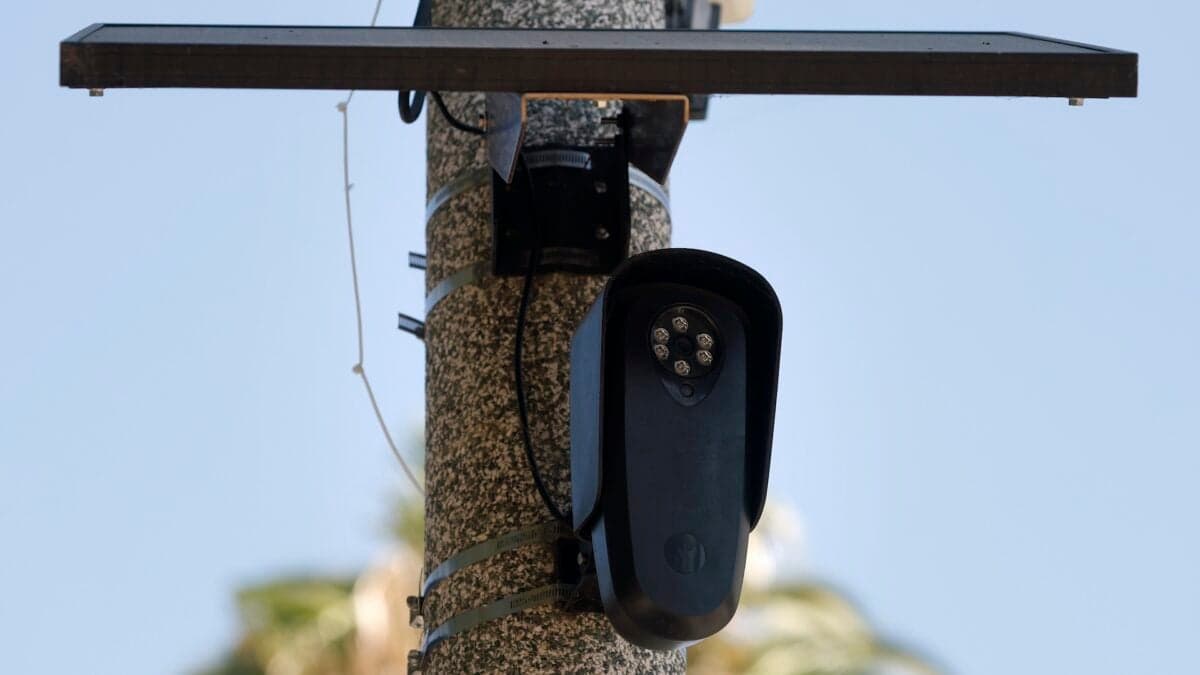
Chrisanna Elser, a Colorado resident, has filed a federal lawsuit against Flock Safety, the towns of Columbine Valley and Bow Mar, and local law enforcement officers after being falsely accused of stealing a $25 package. The accusation stemmed from data collected by Flock’s automated license plate readers (ALPRs), despite evidence proving her innocence.
30 SEC SUMMARY
- Chrisanna Elser has filed a federal lawsuit against Flock Safety, two Colorado towns, and law enforcement officers after being falsely accused of package theft based on Flock’s automated license plate reader (ALPR) data.
- Elser was handed a criminal summons despite providing GPS, phone location history, and surveillance footage proving her innocence, but officers refused to review the evidence.
- The lawsuit seeks class-action status for Coloradans whose license plates have been logged by Flock, alleging Fourth Amendment violations and malicious prosecution.
- Flock’s technology has been criticized as "indiscriminate mass surveillance" by a federal judge in a separate case.
- Legislators from both parties, including Bernie Sanders and Josh Hawley, have introduced bills to ban or limit Flock’s ALPR systems.
TABLE OF CONTENTS
- What Happened
- Law Enforcement’s Response
- The Lawsuit
- Broader Implications
- Context on Automated License Plate Readers
- What this means
- Key takeaways
- FAQ
- Sources
KEY HIGHLIGHTS
- Chrisanna Elser, a Colorado resident, was falsely accused of stealing a $25 package based on data from Flock Safety’s automated license plate readers (ALPRs).
- Despite providing evidence—including GPS, phone location history, and surveillance footage—proving her innocence, Elser was handed a criminal summons by local law enforcement.
- The lawsuit against Flock Safety, the towns of Columbine Valley and Bow Mar, and law enforcement officers alleges malicious prosecution, negligence, and Fourth Amendment violations.
- Flock’s ALPR technology has faced criticism for enabling indiscriminate mass surveillance, with a federal judge previously calling it just that in a separate case.
- Legislators, including Bernie Sanders and Josh Hawley, have introduced bills to ban or limit the use of Flock’s ALPR systems, citing privacy concerns.
What Happened
Chrisanna Elser, a Colorado resident, was falsely accused of stealing a $25 package from a porch in Bow Mar, Colorado, on September 22, 2025. The accusation was based on data from Flock Safety’s automated license plate readers (ALPRs), which recorded her vehicle’s presence in the area around the time of the theft, according to Gizmodo.
Elser was issued a criminal summons despite providing multiple forms of evidence proving her innocence. This evidence included GPS data from her Rivian vehicle, phone location history, and surveillance footage from a tailor shop where she was being fitted for a gown at the time of the theft. A doorbell video of the theft also showed a woman who did not resemble Elser and fled on foot.
Sergeant Jamie Milliman of the Columbine Valley Police Department, who handled the case, insisted Elser was guilty with "100% certainty" and refused to review her evidence until weeks later. Milliman allegedly told Elser that nobody could enter or exit Bow Mar without the department knowing, citing the town’s network of six Flock cameras.
Law Enforcement’s Response
Elser and her husband contacted officials from Columbine Valley and Bow Mar a dozen times over nine days to present their evidence, but none agreed to review it, Gizmodo reports. On October 7, 2025, the Columbine Valley Police Department posted on Nextdoor, asking neighbors for video footage of a dark green Rivian, the same model Elser drives.
It was only after Elser sent a detailed letter with her evidence to Chief Bret Cottrell on October 11, 2025, that the summons was voided. A November 2025 letter of reprimand later stated that Milliman’s demeanor during the investigation was "unprofessional and inconsistent with the standards of a sworn police officer."
Columbine Valley had hired Milliman despite his prior firing from another department and later promoted him. The lawsuit alleges that the town empowered Milliman to use Flock’s surveillance system without oversight.
The Lawsuit
Elser’s lawsuit seeks class-action status for Coloradans whose license plates have been logged by Flock’s ALPRs. The complaint alleges a violation of the Fourth Amendment, arguing that the warrantless retrieval of Elser’s location history constitutes an unreasonable search. It also claims that Flock acted jointly with the towns, making it liable for the violation.
The lawsuit includes charges of malicious prosecution against Milliman, Cottrell, and the towns of Columbine Valley and Bow Mar. Additional claims under the Colorado Constitution are filed against the two officers involved.
Flock Safety’s spokesperson, Paris Lewbel, stated that the system accurately identified Elser’s vehicle’s location and that interpreting the data was law enforcement’s responsibility. The lawsuit acknowledges the accuracy of the license plate scans but argues that law enforcement drew incorrect conclusions from them.
Broader Implications
Flock Safety’s ALPR technology has faced criticism for enabling indiscriminate mass surveillance. In a separate case, a federal judge referred to the company’s system as just that.
The controversy extends to the political arena, with legislators from both parties introducing bills to ban or limit Flock’s ALPR systems. Senators Bernie Sanders, Jeff Merkley, and Congresswoman Alexandria Ocasio-Cortez have sponsored the Ban Flock Act, which would prohibit federal agencies from purchasing or using Flock’s technology and cut federal grants to state and local governments that use it. Senator Josh Hawley has also introduced a companion bill in the Senate.
Some states have already taken action. Texas Governor Greg Abbott and Florida Governor Ron DeSantis have moved to limit the use of Flock cameras in their states.
Context on Automated License Plate Readers
Automated license plate readers (ALPRs) are used by law enforcement agencies across the U.S. to track vehicle movements. Companies like Flock Safety provide these systems, which capture and store license plate data, often without requiring a warrant or case number for officers to access the information.
Critics argue that ALPRs enable mass surveillance and infringe on Fourth Amendment protections against unreasonable searches. Proponents claim they are valuable tools for solving crimes and enhancing public safety.
The legal and regulatory landscape for ALPRs is evolving, with lawsuits and legislative efforts aimed at addressing privacy concerns and oversight gaps.
What this means
Lazyfounder analysis — our interpretation, not reported fact.
This lawsuit is a stark example of how mass surveillance technologies like ALPRs can lead to real-world harm—even when the technology works as intended. The problem isn’t just the data collection; it’s how that data is interpreted and acted upon by law enforcement. Elser’s case shows how overreliance on surveillance tools can override basic investigative rigor, leading to false accusations and serious consequences for innocent individuals.
For founders and operators in the surveillance tech space, this case underscores the importance of building safeguards into products—such as requiring warrants or supervisor approval for data access—and ensuring transparency about how data is used. It also highlights the growing regulatory and legal risks for companies in this space.
For policymakers, the case reinforces the need for clear rules around the use of ALPRs, including requirements for evidence review, oversight, and accountability. The bipartisan pushback against Flock’s technology suggests that the political appetite for unfettered surveillance is waning, and companies that don’t adapt could face significant reputational and financial costs.
Key takeaways
- Automated license plate readers (ALPRs) like Flock’s are increasingly being scrutinized for privacy violations and potential misuse by law enforcement.
- False accusations based on ALPR data can lead to significant personal and professional consequences for individuals, even when evidence proves their innocence.
- The lawsuit highlights gaps in oversight and accountability for how law enforcement uses mass surveillance technology.
- Federal and state legislators are divided on the use of ALPRs, with some pushing for bans or restrictions while others defend their use for public safety.
- Class-action lawsuits and regulatory actions could shape the future of mass surveillance technologies in the U.S.
FAQ
What is Flock Safety’s automated license plate reader (ALPR) system?
Flock Safety’s ALPR system uses cameras to capture and store license plate data from vehicles. This data is then made searchable for law enforcement agencies, often without requiring a warrant or case number for access.
Why is Chrisanna Elser suing Flock Safety?
Elser is suing Flock Safety, two Colorado towns, and law enforcement officers for falsely accusing her of package theft based on ALPR data. Despite providing evidence proving her innocence, she was issued a criminal summons, which was later voided after she submitted a detailed letter with her evidence.
What does the lawsuit allege?
The lawsuit alleges violations of the Fourth Amendment, malicious prosecution, and negligence. It argues that Flock’s warrantless retrieval of Elser’s location history constituted an unreasonable search and that the company acted jointly with law enforcement in violating her rights.
What is the Ban Flock Act?
The Ban Flock Act is a proposed bill sponsored by Senators Bernie Sanders, Jeff Merkley, and Congresswoman Alexandria Ocasio-Cortez. It aims to prohibit federal agencies from purchasing or using Flock’s ALPR technology and cut federal grants to state and local governments that use it.
How have states responded to Flock’s ALPR technology?
Some states, including Texas and Florida, have taken steps to limit the use of Flock’s ALPR cameras. Governors Greg Abbott and Ron DeSantis have moved to restrict their deployment in their respective states.
Related on Lazyfounder
Sources
- Gizmodo · 2026-10-07
Colorado Woman Sues Flock After Cameras Used in False Package-Theft Accusation
This story is an original summary drafted with AI by Lazyfounder from the reporting listed above and checked by automated validation. Facts are attributed to their original publishers; sections marked as analysis are Lazyfounder's. Where a source is in another language, facts were machine-translated and quotations are reported, not reproduced. Read the original coverage via the links, and see our AI policy and corrections policy.

About the author
Editor, Lazyfounder
Tarun Mottlia edits LazyFounders, covering Indian startups, funding rounds, AI and product launches. Every story on the site is AI-assisted and checked against its cited sources before publication.
More stories by Tarun MottliaGet the LazyFounder Brief
Startup, funding and AI news in a five-minute read. Join the early-access list.
