
BBC investigates gold supply chain and rise of "ghost jobs" in hiring
BBC’s Business Daily podcast has aired two segments exploring distinct economic and employment trends. The first traces the global gold supply chain, revealing how central banks, refiners, and Diwali purchases shape the market. The second exposes the prevalence of "ghost jobs"—listings companies post with no intention of hiring—which accounted for up to 22% of online job ads in the US, UK, and Germany last year.

Editor, Lazyfounder
KEY HIGHLIGHTS
- Gold prices have roughly doubled over the past four years, with 140 tonnes of rock mined to produce a single ounce.
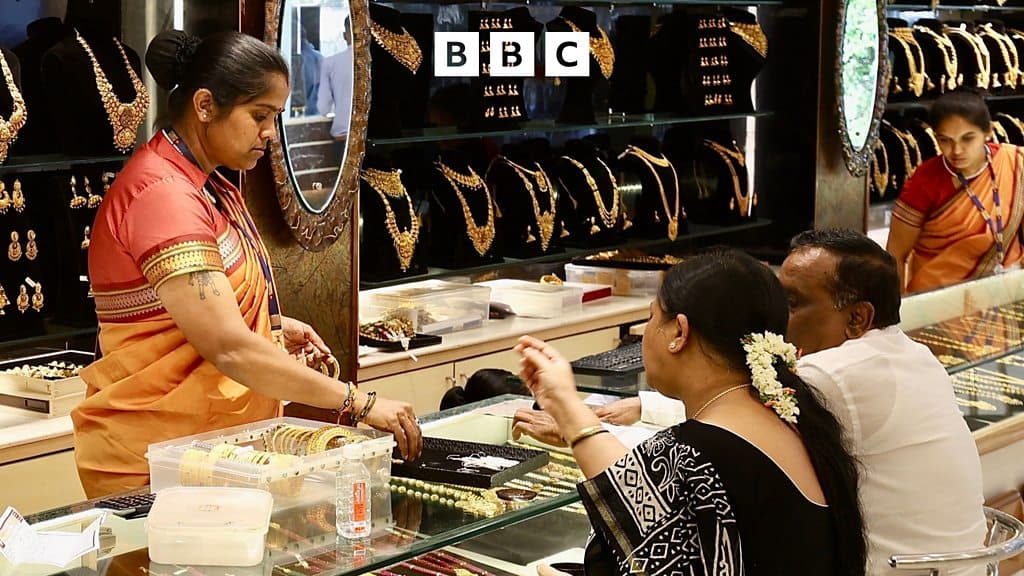
- Diwali drives significant gold purchases in Hindu families, influencing the global supply chain from mines to Delhi jewellers.
- Up to 22% of job listings in the US, UK, and Germany last year were "ghost jobs"—ads posted with no intent to hire.
- The term "ghost jobs" was shortlisted for Collins Dictionary’s Word of the Year in 2026.
- Some governments are attempting to ban the practice of posting ghost jobs.
Gold supply chain from mine to market
The Business Daily podcast traced the journey of gold from mines to a Delhi jeweller, focusing on the role of central banks and refiners in the supply chain. The segment highlighted how Hindu families’ Diwali purchases drive demand, influencing global gold markets.
Gold prices have approximately doubled over the past four years, with miners extracting around 140 tonnes of rock to produce a single ounce of gold. The report underscored the complexity of the supply chain, involving multiple stakeholders and geographies.
Ghost jobs in the hiring market
The podcast also addressed the growing issue of "ghost jobs," a term shortlisted for Collins Dictionary’s Word of the Year in 2026. These are job listings posted online without any intention of hiring, often remaining active indefinitely.
According to the report, up to 22% of job ads in the US, UK, and Germany last year fell into this category. Job seekers like Sundus, a participant in the segment, described applying for roles with no response or rejection, a practice critics argue wastes time and resources.
The segment featured Patricia, a career coach from Nyche Careers, who provided insights into navigating the job market amid these practices. Some governments are reportedly considering bans on ghost jobs to protect applicants.
What this means
Lazyfounder analysis — our interpretation, not reported fact.
For founders and operators, these trends highlight two distinct challenges. The gold supply chain’s complexity—driven by cultural events like Diwali and the influence of central banks—demonstrates how global markets remain intertwined with consumer behavior and geopolitical factors. Startups in fintech, jewellery, or commodities may find opportunities in addressing inefficiencies or sustainability concerns in this chain, particularly as prices remain volatile.
The rise of ghost jobs, meanwhile, signals a shift in recruitment practices that could impact hiring strategies. Companies posting these listings may see short-term benefits, such as appearing to expand their teams or collecting candidate data, but the practice risks damaging their reputation and deterring top talent. For founders building HR tech or recruitment platforms, this trend could spark demand for tools that verify job listings’ legitimacy or help job seekers identify red flags. Operators in the US, UK, or Germany should also prepare for potential regulatory changes if governments act on calls to ban ghost jobs.
Key takeaways
- The gold supply chain’s reliance on cultural events like Diwali and the influence of central banks creates opportunities for startups to address inefficiencies or sustainability in commodities.
- Ghost jobs account for a significant portion of online listings in key markets, posing risks to employers’ reputations and job seekers’ trust.
- Regulatory scrutiny of ghost jobs could change hiring practices, particularly in the US, UK, and Germany.
- HR tech startups may find demand for tools that verify job listings or help candidates navigate misleading postings.
Related on Lazyfounder
Sources
- BBC News (Tech & Business) · 2026-11-02
Business Daily - Follow the Money: Your Diwali gold necklace - BBC Sounds - BBC News (Tech & Business) · 2026-11-03
World Service - Listen Live - BBC Sounds - BBC News (Tech & Business) · 2026-11-03
What in the World - The ghost jobs haunting your job hunt - BBC Sounds
This story is an original summary drafted with AI by Lazyfounder from the reporting listed above and checked by automated validation. Facts are attributed to their original publishers; sections marked as analysis are Lazyfounder's. Where a source is in another language, facts were machine-translated and quotations are reported, not reproduced. Read the original coverage via the links, and see our AI policy and corrections policy.

About the author
Editor, Lazyfounder
Tarun Mottlia edits LazyFounders, covering Indian startups, funding rounds, AI and product launches. Every story on the site is AI-assisted and checked against its cited sources before publication.
More stories by Tarun MottliaGet the LazyFounder Brief
Startup, funding and AI news in a five-minute read. Join the early-access list.
