
AtlasBase unveils DNA storage tech aiming for 50 PB per capsule
AtlasBase has introduced a DNA-based storage technology that aims to store up to 50 PB of data in a single capsule. The company’s Thalia platform integrates semiconductor controls with biochemical processes to encode data in synthetic DNA, offering a potential alternative to traditional archival storage methods. Early-access programs for molecular storage and computing are already underway.

Editor, Lazyfounder
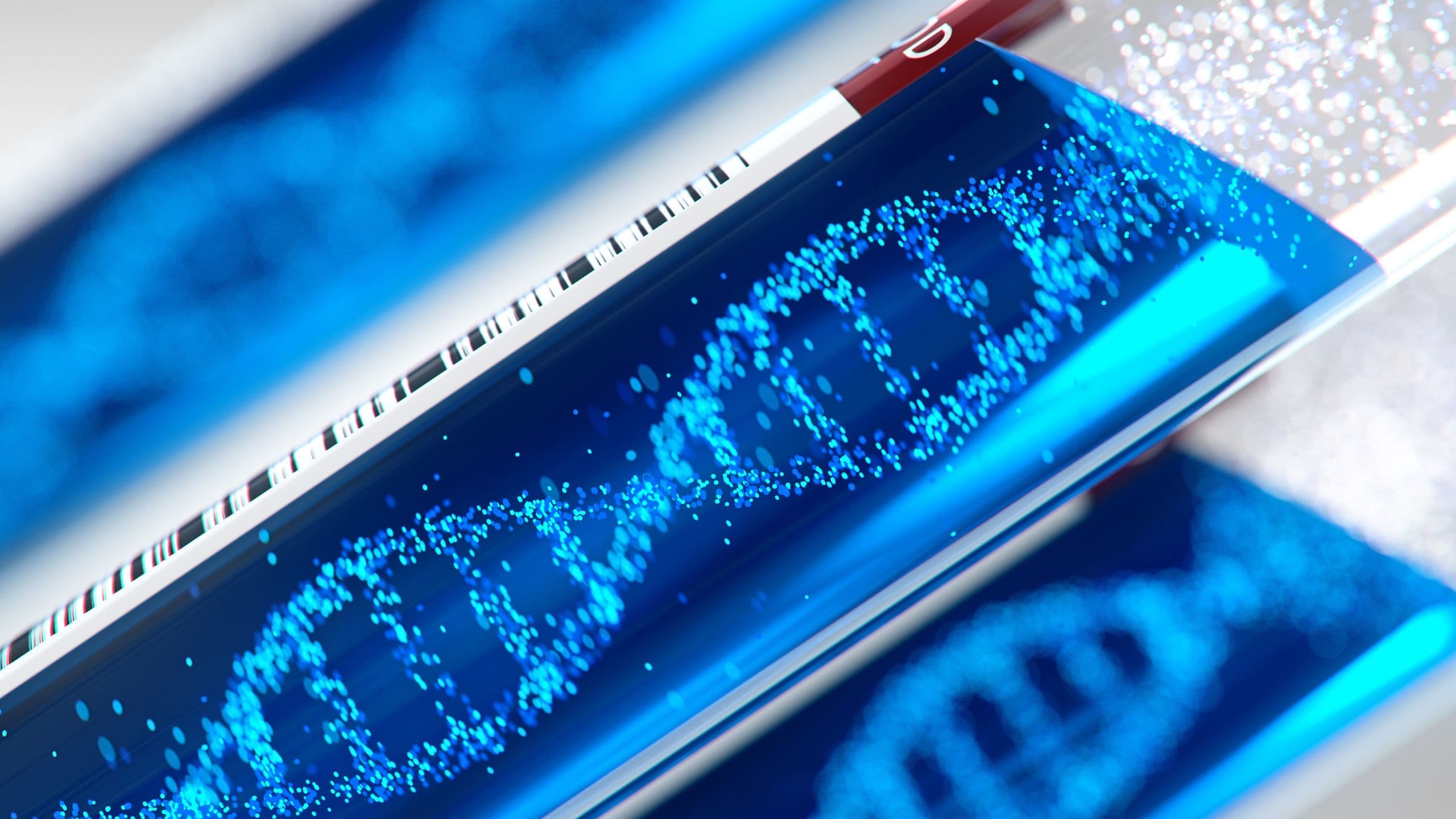
AtlasBase has introduced a DNA-based storage technology that aims to store up to 50 PB of data in a single capsule. The company’s Thalia platform integrates semiconductor controls with biochemical processes to encode data in synthetic DNA, offering a potential alternative to traditional archival storage methods. Early-access programs for molecular storage and computing are already underway.
30 SEC SUMMARY
- AtlasBase is developing DNA-based storage technology aiming to store up to 50 PB of data in a single capsule.
- The Thalia platform combines semiconductor controls with biochemical processes to encode data in synthetic DNA.
- A single capsule can initially store between 1 TB and 50 PB, with cartridges holding 100 capsules for potential capacities of 100 TB to 5 EB.
- DNA storage offers longevity, lasting over 1,000 years without electricity, cooling, or mechanical movement.
- Early-access programs for molecular storage and computing are available to select organizations.
TABLE OF CONTENTS
- AtlasBase unveils DNA storage technology
- Early-access programs and molecular computing
- What this means
- Key takeaways
- FAQ
- Sources
KEY HIGHLIGHTS
- AtlasBase is developing DNA storage technology capable of storing up to 50 PB in a single capsule.
- The Thalia platform combines semiconductor controls with biochemical processes to encode data in synthetic DNA.
- A single cartridge can hold 100 capsules, offering potential capacities of 100 TB to 5 EB.
- DNA storage can last over 1,000 years without electricity, cooling, or mechanical movement.
- Early-access programs for molecular storage and computing are available to select organizations.
AtlasBase unveils DNA storage technology
AtlasBase, a startup developing DNA-based storage solutions, has introduced its Thalia platform, which combines semiconductor controls with biochemical processes to encode data in synthetic DNA. According to TechRadar, the technology aims to store between 1 TB and 50 PB of data in a single capsule, with cartridges designed to hold 100 capsules. This could theoretically enable storage capacities ranging from 100 TB to 5 EB per cartridge.
The company claims its DNA storage can last over 1,000 years without requiring electricity, cooling, or mechanical movement, addressing a key challenge in long-term data preservation. However, the technology’s commercial viability remains unproven, as it lacks a track record in real-world deployments.
Early-access programs and molecular computing
AtlasBase has opened early-access programs for its molecular storage and computing solutions to selected organizations. These programs target use cases such as archives, records preservation, transport planning, industrial operations, and scientific studies, according to TechRadar.
The company is also exploring molecular computing, which involves performing calculations directly with DNA molecules instead of transferring data between storage and processors. This approach could be useful for optimization problems, such as flight scheduling, though retrieval times for computation are currently measured in minutes. Jeff Treuhaft, CEO of AtlasBase, stated that the company is harnessing this architecture for computing at a scale previously unattainable.
While the technology shows promise, its practical applications are still limited by speed and cost constraints. The absence of established benchmarks makes it difficult to assess its competitiveness against traditional archival systems.
What this means
Lazyfounder analysis — our interpretation, not reported fact.
AtlasBase’s DNA storage technology is a bold bet on the future of archival data. While tape storage has dominated the archival market for decades due to its cost-effectiveness and reliability, DNA storage promises unparalleled density and durability—two critical advantages for long-term data preservation.
However, the technology is still in its early stages. The lack of commercial deployment means there’s no real-world track record to compare it against established systems like tape or cloud storage. Founders and operators should watch this space for proof points around cost, speed, and scalability before considering it a viable alternative.
The exploration of molecular computing is equally intriguing. If AtlasBase can demonstrate practical applications—such as solving complex optimization problems—it could open new avenues for industries reliant on large-scale data processing. For now, the technology’s minutes-long retrieval times make it unsuitable for real-time applications, but it could carve out a niche in specialized use cases where speed is less critical than scale and longevity.
Key takeaways
- AtlasBase’s DNA storage technology aims to store up to 50 PB of data in a single capsule, with cartridges holding up to 5 EB.
- The Thalia platform integrates semiconductor controls with biochemical processes to encode data in synthetic DNA.
- DNA storage promises durability, with data lasting over 1,000 years without power or cooling.
- Early-access programs for molecular storage and computing are available, but commercial viability is unproven.
- Molecular computing could address optimization problems, though retrieval times are currently measured in minutes.
FAQ
What is AtlasBase’s Thalia platform?
The Thalia platform is a DNA-based storage solution that combines semiconductor controls with biochemical processes to encode data in synthetic DNA. It aims to store between 1 TB and 50 PB of data in a single capsule.
How much data can AtlasBase’s DNA storage hold?
A single capsule can initially store between 1 TB and 50 PB of data. A cartridge holding 100 capsules could theoretically store between 100 TB and 5 EB.
What are the advantages of DNA storage?
DNA storage can last over 1,000 years without requiring electricity, cooling, or mechanical movement, making it a durable option for long-term data preservation.
Is DNA storage commercially available?
AtlasBase has opened early-access programs for selected organizations, but the technology is not yet commercially deployed or proven at scale.
What is molecular computing, and how does AtlasBase use it?
Molecular computing involves performing calculations directly with DNA molecules instead of transferring data between storage and processors. AtlasBase is exploring this technology for optimization problems, though retrieval times are currently slow.
Related on Lazyfounder
Sources
- TechRadar · 2026-10-01
100 TB DNA capsules stored in bullet-like magazines could displace tape with a roadmap to 50 PB per capsule — but no news about speed, drive cost and availability
This story is an original summary drafted with AI by Lazyfounder from the reporting listed above and checked by automated validation. Facts are attributed to their original publishers; sections marked as analysis are Lazyfounder's. Where a source is in another language, facts were machine-translated and quotations are reported, not reproduced. Read the original coverage via the links, and see our AI policy and corrections policy.

About the author
Editor, Lazyfounder
Tarun Mottlia edits LazyFounders, covering Indian startups, funding rounds, AI and product launches. Every story on the site is AI-assisted and checked against its cited sources before publication.
More stories by Tarun MottliaGet the LazyFounder Brief
Startup, funding and AI news in a five-minute read. Join the early-access list.
