
Yahoo’s Scout AI Will Keep Linking to Publishers, CEO Says Micropayments Won’t Suffice
Yahoo’s AI answer engine, Scout, will continue to include links back to publishers, setting it apart from large language models and Google’s AI-driven search tools. CEO Jim Lanzone also dismissed micropayments from AI companies as a viable revenue model for publishers, advocating instead for advertising-based approaches.
LazyFounders
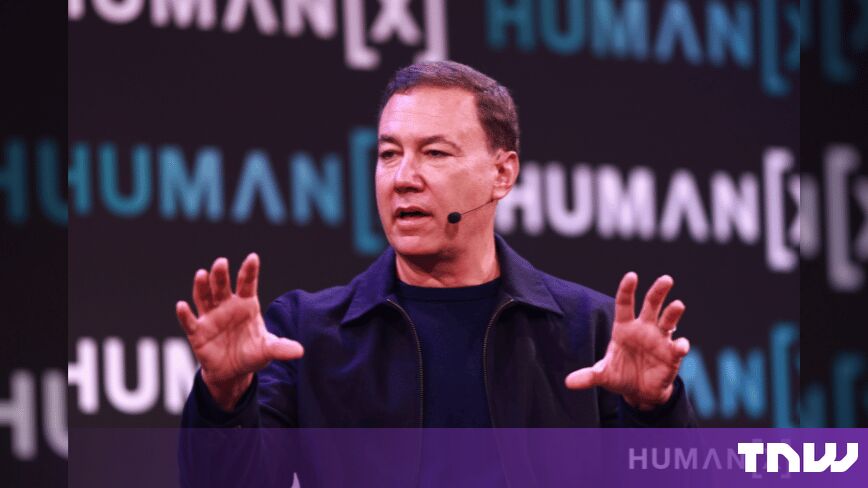

Yahoo’s AI answer engine, Scout, will continue to include links back to publishers, setting it apart from large language models and Google’s AI-driven search tools. CEO Jim Lanzone also dismissed micropayments from AI companies as a viable revenue model for publishers, advocating instead for advertising-based approaches.
30 SEC SUMMARY
- Yahoo CEO Jim Lanzone announced that the company’s AI answer engine, Scout, will continue linking back to publishers, differentiating it from large language models and Google’s AI Mode.
- Lanzone stated that micropayments from AI companies are insufficient for publishers, advocating for advertising-based revenue models instead.
- Scout, Yahoo’s first search engine in 17 years, launched in beta in Q1 2026 and uses a lightweight model powered by Anthropic’s Claude and Microsoft Bing’s grounding API.
- Yahoo joined Microsoft’s Publisher Content Marketplace pilot to support publisher revenue, emphasizing its role as both a publisher and a tech platform.
- With 700 million monthly users, Yahoo is highly profitable and targets Gen Z and millennials, positioning Scout for growth through its existing user base.
TABLE OF CONTENTS
- Scout’s approach to publisher links
- Micropayments vs. advertising revenue
- Yahoo’s strategy and market position
- What this means
- Key takeaways
- FAQ
- Sources
KEY HIGHLIGHTS
- Yahoo’s AI answer engine, Scout, will continue linking back to publishers, contrasting with large language models and Google’s AI Mode.
- CEO Jim Lanzone dismissed micropayments from AI companies as insufficient for publishers, favoring ad-based models.
- Scout, Yahoo’s first search engine in 17 years, launched in beta in Q1 2026 and uses Anthropic’s Claude and Microsoft Bing’s grounding API.
- Yahoo joined Microsoft’s Publisher Content Marketplace pilot in January to support publisher revenue.
- Yahoo has 700 million monthly users, with a significant portion of Gen Z and millennials.
Scout’s approach to publisher links
According to The Next Web, Yahoo’s AI answer engine, Scout, will maintain links back to publishers, a practice that contrasts with large language models and Google’s AI Mode. Yahoo CEO Jim Lanzone emphasized that users need to see sources to verify accuracy and relevance, as AI systems often produce errors or outdated information.
Scout, which launched in beta in Q1 2026, is Yahoo’s first search engine in 17 years. Unlike traditional large language models, Scout uses a lightweight model that processes Yahoo’s data at the token level. It relies on Anthropic’s Claude and Microsoft Bing’s grounding API but ranks and renders answers using Yahoo’s own search data and publisher relationships.
Micropayments vs. advertising revenue
Lanzone stated that micropayments from AI companies will never be enough to sustain publishers, according to The Next Web. He argued that publishers lack leverage in deals involving small payments, advocating instead for advertising-based models to ensure sustainable revenue.
Yahoo’s proposed advertising model for Scout includes sponsored results presented as paragraphs with blue links to advertisers. This approach aims to balance monetization with user experience, avoiding the pitfalls of paywalled or subscription-based content, which Lanzone believes will not scale.
Yahoo’s strategy and market position
Yahoo joined Microsoft’s Publisher Content Marketplace pilot in January to explore new revenue streams for publishers. The company, which has 700 million monthly users, sees itself as both a beneficiary and a victim of AI-driven content consumption, as it is also a top-20 publisher whose content is often used by AI models.
Scout’s growth strategy mirrors how Google and Meta introduce new products, relying on Yahoo’s existing user base. With a significant portion of its audience being Gen Z and millennials, Yahoo is positioning Scout to appeal to younger users who may prefer AI-driven search experiences.
Yahoo’s profitability and scale—often ranking as the third-largest internet property ahead of Amazon and Facebook—provide a strong foundation for Scout’s development. The company, now private, expects to either find a buyer or go public again in the future.
What this means
LazyFounders analysis — our interpretation, not reported fact.
Yahoo’s decision to prioritize publisher links in Scout reflects a broader industry tension between AI innovation and the sustainability of digital content creators. While many AI-driven platforms minimize or eliminate links to original sources, Yahoo is betting that transparency and accountability will resonate with users—and advertisers.
Lanzone’s dismissal of micropayments as a viable revenue model for publishers is notable. It challenges the assumption that small payments from AI companies could replace traditional advertising or subscription revenue. Instead, Yahoo is doubling down on ads, a strategy that aligns with its historical strengths but may face scrutiny as users grow wary of sponsored content.
For founders and operators, Yahoo’s approach underscores the importance of balancing AI-driven efficiency with trust. Publishers and content creators may see Scout as a potential ally in an increasingly AI-dominated landscape, but its success hinges on whether users—and advertisers—will embrace a model that prioritizes links and transparency over pure algorithmic convenience.
Key takeaways
- Yahoo’s Scout AI answer engine will include links back to publishers, unlike many AI-driven search tools.
- Micropayments from AI companies are not seen as a viable revenue model for publishers by Yahoo’s CEO.
- Scout launched in beta in Q1 2026 and relies on a lightweight model, not a large language model, for its answers.
- Yahoo is leveraging its 700 million monthly users to grow Scout, with a focus on Gen Z and millennials.
- The company is testing advertising models for Scout, including sponsored results with links to advertisers.
- Yahoo joined Microsoft’s Publisher Content Marketplace pilot to explore new revenue streams for publishers.
FAQ
Why is Yahoo’s Scout AI answer engine different from other AI search tools?
Scout includes links back to publishers, unlike many large language models or Google’s AI Mode, which often provide answers without clear sources. Yahoo’s approach aims to improve transparency and accuracy for users.
Why does Yahoo’s CEO believe micropayments won’t sustain publishers?
Jim Lanzone argues that micropayments from AI companies are too small to replace traditional revenue streams like advertising. He believes publishers lack negotiating power in such deals and advocates for ad-based models instead.
How does Yahoo plan to monetize Scout?
Yahoo’s advertising model for Scout includes sponsored results presented as paragraphs with blue links to advertisers. This approach aims to generate revenue while maintaining a user-friendly experience.
What is Yahoo’s Publisher Content Marketplace pilot?
Yahoo joined Microsoft’s Publisher Content Marketplace pilot in January to explore new ways to support publisher revenue. The initiative seeks to create sustainable financial models for digital content creators.
Who is Yahoo targeting with Scout?
Scout is positioned to appeal to Yahoo’s existing user base, which includes a significant portion of Gen Z and millennials. The company aims to grow Scout by leveraging its 700 million monthly users.
Related on LazyFounders
Sources
- The Next Web · 2026-09-23
Yahoo CEO says micropayments will never be enough for publishers
This story is an original summary and analysis written by LazyFounders from the reporting listed above. Facts are attributed to their original publishers; sections marked as analysis are LazyFounders's opinion. Where a source is in another language, facts were machine-translated and quotations are reported, not reproduced. Read the original coverage via the links.
