
Transforming Rural Education: Sankalp Shiksha's Digital Classrooms in Kushinagar
Discover how Sankalp Shiksha is transforming rural education in Kushinagar with digital classrooms, AI, and robotics. Learn about Vikas Kumar's inspiring journey.
LazyFounders
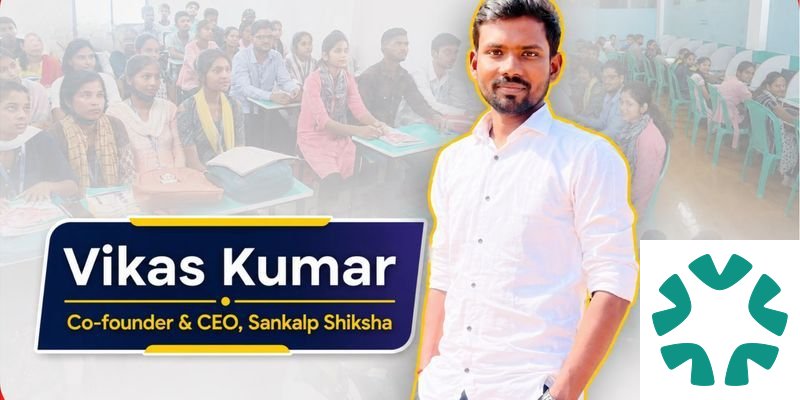

Transforming Rural Education: Sankalp Shiksha's Digital Classrooms in Kushinagar
30 SEC SUMMARY
Sankalp Shiksha, founded by Vikas Kumar, is revolutionizing rural education in Kushinagar, Uttar Pradesh, by introducing digital classrooms, AI, and robotics. Despite financial hardships, Vikas turned his childhood experiences into a mission to provide quality education and skills to rural children.
TABLE OF CONTENTS
- Introduction
- Vikas Kumar's Journey
- Sankalp Shiksha's Mission
- Digital Classrooms and E-Libraries
- Skill Development Programs
- The Road Ahead
- FAQs
- Conclusion
- Call-to-Action
KEY HIGHLIGHTS
- Sankalp Shiksha provides digital classrooms and e-libraries in rural Kushinagar.
- The NGO offers computer education, robotics, and AI to rural students.
- Vikas Kumar aims to ensure no child stops studying due to financial constraints.
- The organization has reached over 2,000 students in the past five years.
- Sankalp Shiksha has helped 40-50 young people secure employment.
Introduction
In the past, children in Kushinagar, Uttar Pradesh, had limited educational opportunities, often studying under a tree or in small huts. Today, thanks to Vikas Kumar and his NGO, Sankalp Shiksha, digital classrooms and e-libraries have transformed the educational landscape. The NGO now offers subjects like computer education, robotics, and Artificial Intelligence (AI) to rural children.
Vikas Kumar's Journey
Vikas Kumar grew up in a financially struggling family in Kushinagar. His father's job often moved the family to different towns, but they always maintained a connection to their village roots. Despite facing financial hardships and even the death of his father, Vikas pursued his education and secured admission to NIT Hamirpur.
During his college years, Vikas and his friends initiated relief work during the Covid-19 pandemic, distributing ration supplies to hundreds of families. This experience reinforced his belief in the power of education and skills to bring long-term change.
Sankalp Shiksha's Mission
Sankalp Shiksha Foundation was officially registered in November 2020. Initially, Vikas did not plan to run the NGO full-time; he pursued a job and civil services. However, encouragement from a senior and the flexibility of working from home allowed him to dedicate more time to Sankalp Shiksha.
In June 2023, the NGO launched its skill development program with funding of ₹4 lakh, transforming four rented rooms into a digital learning center. The initiative began in Musahar settlements, with classes held under trees and in small huts. However, maintaining student attendance proved challenging.
Digital Classrooms and E-Libraries
Sankalp Shiksha now focuses on providing digital learning facilities, computer education, and an e-library in Salemgarh. The NGO aims to equip rural children with better educational resources and prepare them for competitive examinations.
The organization uses Physics Wallah’s educational content through digital boards and offline teacher guidance. It also includes a robotics lab and an AI space, offering weekly sessions on AI, robotics, and computer education in four government schools.
Skill Development Programs
Sankalp Shiksha’s major programs include Skill Development for graduates, Innovators of Tomorrow for students from Classes 6 to 12, and a digital library. The NGO provides hands-on learning opportunities in areas such as drones, circuits, and automation.
In November 2024, students showcased projects at a science exhibition, including sensor-based models, pollution-control systems, electricity-saving solutions, and a driverless sensor-based car. This transformation signifies Sankalp Shiksha’s goal to make rural children not just consumers but creators of technology.
The Road Ahead
Currently, Sankalp Shiksha has around 250 regular beneficiaries and eight to nine teachers. The skill development program includes 125 students, and the NGO claims to have helped 40-50 young people secure employment. Over the past five years, the NGO has reached around 2,000-2,200 students.
Vikas plans to leave his job to focus full-time on Sankalp Shiksha. His immediate goal is to strengthen the existing model in Kushinagar rather than expanding it. Vikas’s dream is to ensure that financial constraints never prevent a child from studying and that rural children do not have to leave their villages for quality education.
FAQs
What is Sankalp Shiksha's main focus?
Sankalp Shiksha focuses on providing digital classrooms, computer education, robotics, and AI to rural children in Kushinagar.
How many students has Sankalp Shiksha reached?
Sankalp Shiksha has reached around 2,000-2,200 students over the past five years.
What kind of projects do students work on?
Students work on projects like sensor-based models, pollution-control systems, electricity-saving solutions, and driverless sensor-based cars.
Conclusion
Sankalp Shiksha’s journey from distributing ration kits to establishing digital classrooms and e-libraries is a testament to the power of education and skills in transforming rural communities. With continued support, the NGO aims to make quality education accessible to every child, regardless of their financial background.
Call-to-Action
Join us in supporting Sankalp Shiksha’s mission to revolutionize rural education. Visit blogy.in to learn more and get involved.
Internal Link to another article External Link to authoritative source
Sources
- yourstory.com
Once unable to afford school fees, Vikas Kumar now teaches AI and robotics to rural children
This story is an original summary and analysis written by LazyFounders from the reporting listed above. Facts are attributed to their original publishers; sections marked as analysis are LazyFounders's opinion. Where a source is in another language, facts were machine-translated and quotations are reported, not reproduced. Read the original coverage via the links.