
Transforming Kalaburagi Pulses into Ready-to-Eat Energy Bars in 2026
Discover how the Bangalore Bioinnovation Centre is transforming Kalaburagi's pulses into ready-to-eat energy bars in 2026, aiming to boost Karnataka's agricultural supply chain.
LazyFounders

30 SEC SUMMARY
In 2026, the Bangalore Bioinnovation Centre is pioneering a project to convert Kalaburagi's locally grown pulses into ready-to-eat energy bars, aiming to add more value to Karnataka's agricultural supply chain and keep profits within the region.
TABLE OF CONTENTS
- Introduction
- The BBC's Innovative Approach
- Product Development
- Nutritional Benefits
- Future Prospects
- Key Highlights
- FAQ Section
- Conclusion
- Call-to-Action
Introduction
In 2026, the Bangalore Bioinnovation Centre (BBC) is exploring a groundbreaking initiative to transform Kalaburagi’s pulses into ready-to-eat energy bars. This project, part of the Kalyana Karnataka Bio-Economy Mission, aims to create more value within Karnataka’s agricultural supply chain. Kalaburagi is one of Karnataka’s key pulse-growing regions, yet much of its produce is exported as raw grain, with higher-value processing often taking place elsewhere.
The BBC's Innovative Approach
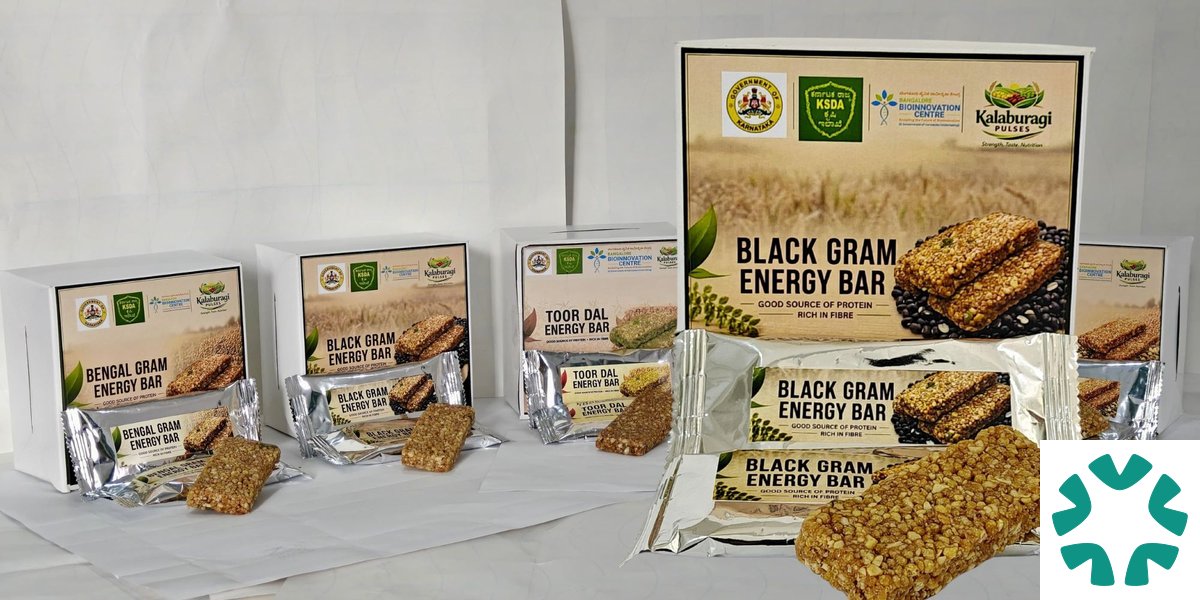
BBC is investigating whether locally grown pulses can be turned into shelf-stable, plant-based protein products for the packaged-food market. The four single-pulse variants use pulse crisps as their main component, combined with roasted peanuts, jaggery, oats, and pumpkin seeds. Notably, these formulations avoid synthetic colours, flavours, and chemical preservatives.
Product Development
The BBC has developed six variants using pulses grown in Kalaburagi. These include bars made from toor dal, black gram, green gram, and Bengal gram, along with a multi-pulse variant and a higher-protein formulation. The single-pulse bars contain around 4 grams of protein per 30-gram bar, with approximately 122-123 kcal and 1.8-2 grams of dietary fibre. The higher-protein FOS variant provides about 4.85 grams of protein per 30-gram serving.
Nutritional Benefits
The nutritional claims are subject to final accredited laboratory validation and FSSAI declaration. The BBC's project aims to demonstrate how agricultural commodities can be developed into new products, showcasing a possible pathway for value addition that can eventually be adopted by FPOs, SHGs, and MSMEs in the region.
Future Prospects
If the process is successful, the technology could be transferred to interested farmer producer organizations (FPOs), self-help groups (SHGs), and entrepreneurs in the region. This initiative could connect Bengaluru’s innovation ecosystem with businesses and producers in Kalyana Karnataka, turning locally grown pulses into higher-value products and creating opportunities for local farmers and enterprises.
KEY HIGHLIGHTS
- BBC develops six variants of energy bars from Kalaburagi pulses
- Bars include toor dal, black gram, green gram, Bengal gram, multi-pulse, and higher-protein options
- Nutritional benefits include protein, calories, and dietary fibre
- Project aims to keep value generated from Kalaburagi’s pulses within the region
FAQ Section
**Q1: What is the BBC's mission in this project? **A1: The BBC aims to create more value from Karnataka’s agricultural products by developing ready-to-eat products from locally grown pulses.
**Q2: What are the nutritional benefits of the BBC's pulse bars? **A2: The bars contain around 4 grams of protein per 30-gram bar, with approximately 122-123 kcal and 1.8-2 grams of dietary fibre.
**Q3: What is the future plan for this technology? **A3: If successful, the technology will be transferred to local FPOs, SHGs, and entrepreneurs to keep the value generated within the region.
Conclusion
In 2026, the BBC's initiative to transform Kalaburagi’s pulses into ready-to-eat energy bars holds promise for boosting Karnataka’s agricultural supply chain. By creating higher-value products, this project aims to keep profits within the region and provide new opportunities for local farmers and enterprises.
Call-to-Action
Discover more about innovative agricultural projects at blogy.in. Join us in exploring how technology can transform local produce into valuable products.
Sources
This story is an original summary and analysis written by LazyFounders from the reporting listed above. Facts are attributed to their original publishers; sections marked as analysis are LazyFounders's opinion. Where a source is in another language, facts were machine-translated and quotations are reported, not reproduced. Read the original coverage via the links.
