
Top 5 Books on Decision-Making Psychology for 2026
Discover the top 5 books on decision-making psychology for 2026. Learn how to make better choices by understanding the science behind our decisions.
LazyFounders

Top 5 Books on Decision-Making Psychology for 2026
30 SEC SUMMARY
Explore the top 5 books on decision-making psychology for 2026. These insightful reads delve into the science behind our choices, revealing how biases, emotions, and past experiences shape our decisions. Learn to make better choices by understanding the psychological patterns that influence our thought processes.
TABLE OF CONTENTS
- Introduction
- Thinking, Fast and Slow
- The Paradox of Choice
- Decisive
- Predictably Irrational
- Essentialism
- Key Highlights
- FAQs
- Conclusion
- Call-to-Action
Introduction
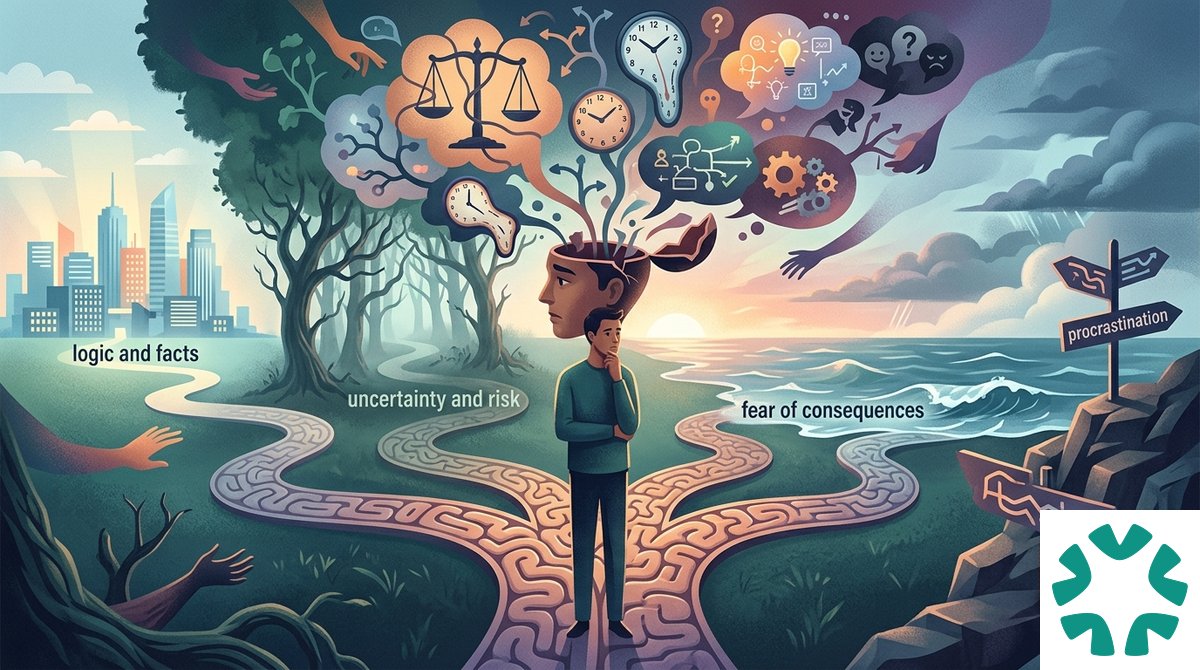
Life is filled with choices, yet making decisions is rarely straightforward. Whether selecting a career path, building relationships, or managing challenges, our choices often carry uncertainty and emotional weight. Many people find themselves trapped in cycles of overthinking, fearing mistakes, or searching for a perfect answer that may not exist.
The struggle to make decisions is not a reflection of intelligence or knowledge. It is influenced by deeper psychological patterns such as fear of failure, perfectionism, emotional biases, past experiences, and the desire to avoid regret. Our minds often create invisible barriers that make even simple choices feel complicated.
Books on decision-making psychology help us understand these hidden influences and the science behind our choices. They reveal how our thoughts and emotions shape decisions while offering insights into becoming more aware, confident, and thoughtful in the way we choose our paths.
Thinking, Fast and Slow
By Daniel Kahneman
Thinking, Fast and Slow by Daniel Kahneman explores the two systems that influence how humans think and make decisions. One system works quickly through intuition and emotions, while the other relies on slower, more logical thinking.
Kahneman explains that many decisions are affected by mental shortcuts called biases. These shortcuts help us make choices faster but can sometimes lead to mistakes, poor judgments, and unnecessary doubts. Kahneman shows that understanding how our minds work can help us recognize flawed thinking patterns. By becoming aware of our biases, we can make more thoughtful decisions instead of simply reacting to our first impressions.
The Paradox of Choice
By Barry Schwartz
The Paradox of Choice by Barry Schwartz explains why having too many options can make decision-making harder rather than easier. In a world filled with endless choices, people often believe that more options will lead to greater satisfaction. However, Schwartz reveals that too many possibilities can create anxiety, confusion, and fear of making the wrong decision.
The book introduces the idea that constantly searching for the perfect choice can prevent people from enjoying the choices they already make. It teaches readers that setting limits and accepting good decisions instead of perfect ones can create more peace of mind.
Decisive
By Chip Heath and Dan Heath
Decisive explores why people often struggle when facing important choices and provides a framework for making better decisions. Chip and Dan Heath explain that decision-making is often affected by narrow thinking, emotional influences, and focusing too much on short-term outcomes.
They introduce practical methods to examine choices from different perspectives and reduce uncertainty. The book teaches readers how to avoid common decision-making traps and approach difficult choices with more clarity. It shows that better decisions come from improving the process rather than trying to predict every possible outcome.
Predictably Irrational
By Dan Ariely
Predictably Irrational by Dan Ariely reveals that human decisions are often influenced by emotions, expectations, and hidden factors rather than pure logic. The book explores how people frequently make choices that seem reasonable at the moment but are shaped by unconscious influences.
Ariely explains why we sometimes act against our own interests and repeat patterns we do not fully understand. By understanding these irrational tendencies, readers can become more aware of the forces affecting their decisions. The book shows that recognizing our limitations is the first step toward making smarter choices.
Essentialism
By Greg McKeown
Essentialism by Greg McKeown focuses on the difficulty of deciding what truly deserves our time and energy. Many people struggle with decisions because they try to do everything, please everyone, or avoid missing opportunities.
The book explains that constantly saying yes to unnecessary commitments can distract us from what matters most. McKeown teaches that effective decision-making requires clarity about priorities. By learning to eliminate distractions and focus on essential choices, people can create a more meaningful and balanced life.
Key Highlights
KEY HIGHLIGHTS
- Understanding the psychological patterns behind our decisions
- Recognizing and overcoming cognitive biases
- Learning to make better choices through awareness
- Focusing on essential priorities to create balance
- Avoiding the pitfalls of too many options
FAQs
FAQs
What is the best book on decision-making psychology?
While opinions vary, Thinking, Fast and Slow by Daniel Kahneman is highly recommended for its deep insights into human decision-making.
How can I improve my decision-making skills?
Improving decision-making skills involves becoming aware of your biases, setting limits on choices, and focusing on essential priorities.
Are there any online courses on decision-making?
Yes, there are several online courses available that cover decision-making psychology, including those offered by reputable institutions like Coursera and edX.
Conclusion
Decision-making is not just about choosing between options; it is about understanding the emotions, beliefs, and thought patterns behind those choices. These books reveal that hesitation often comes from deeper psychological factors rather than simple confusion. By learning how our minds work, we can become more aware of our biases, reduce unnecessary overthinking, and make decisions with greater confidence.
Call-to-Action
Ready to make better choices? Visit blogy.in to explore more insightful articles and resources on decision-making psychology and beyond.
Sources
This story is an original summary and analysis written by LazyFounders from the reporting listed above. Facts are attributed to their original publishers; sections marked as analysis are LazyFounders's opinion. Where a source is in another language, facts were machine-translated and quotations are reported, not reproduced. Read the original coverage via the links.
