
Tathyakosh: Simplifying Data Access in India's AI Ecosystem
Discover Tathyakosh, a new platform from Karnataka that consolidates over 1.5 million datasets from 458 repositories into one searchable interface. Essential for researchers, policymakers, and developers in 2026.
LazyFounders

30 SEC SUMMARY
Tathyakosh, launched by the Government of Karnataka, consolidates over 1.5 million datasets from 458 repositories into a single searchable interface. This platform aims to simplify data access for researchers, policymakers, and developers, crucial for India's growing AI ecosystem in 2026.
TABLE OF CONTENTS
- Introduction
- About Tathyakosh
- Features and Functionality
- Impact on India's AI Ecosystem
- Key Highlights
- Future Prospects
- Conclusion
- Call-to-Action
KEY HIGHLIGHTS
- Tathyakosh consolidates over 1.5 million datasets from 458 repositories.
- The platform covers 16 areas including health, agriculture, and governance.
- More than 92% of datasets are open access and 95% are machine-readable.
- Tathyakosh assesses dataset quality based on seven factors.
- The platform is designed to help users find and assess data for AI projects.
Introduction
India's vast public data resources are a treasure trove for researchers, startups, and developers. However, accessing this data can be a daunting task, requiring extensive searches across multiple government websites and research portals. To address this challenge, the Government of Karnataka, through its Centre of Excellence in Artificial Intelligence, has launched Tathyakosh, a comprehensive platform to simplify data discovery.
About Tathyakosh
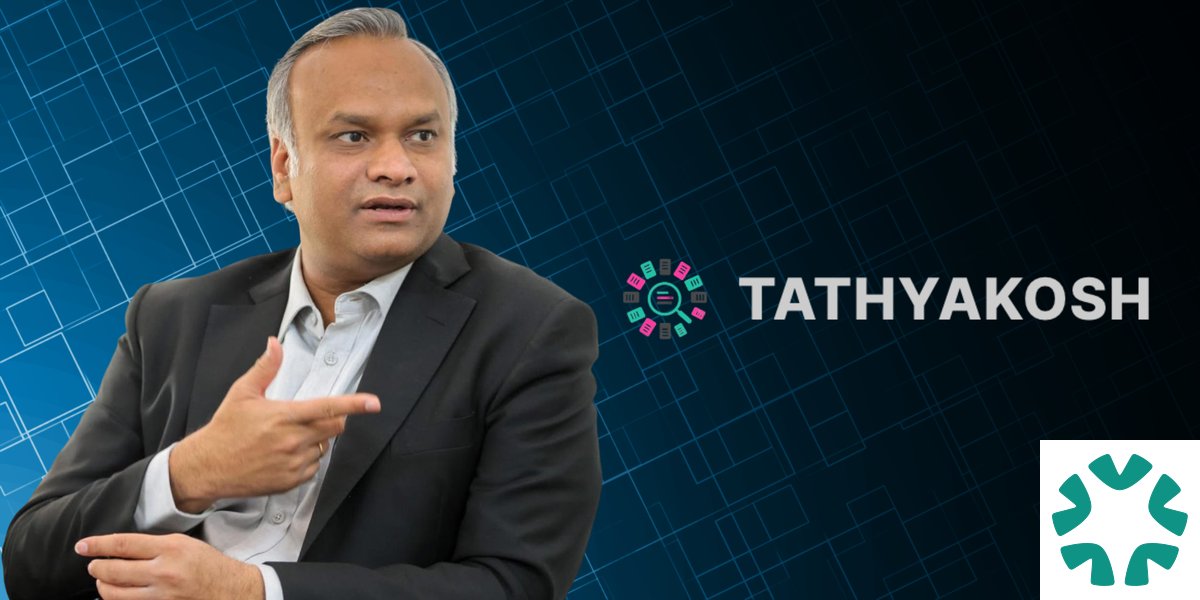
Tathyakosh was unveiled on August 12, 2026, by Karnataka IT-BT Minister Priyank Kharge at Vikas Soudha in Bengaluru. The platform aggregates information about more than 1.5 million datasets from 458 repositories, providing a unified search interface.
Tathyakosh is designed as an open, non-commercial Digital Public Good, aiming to make India's existing data more accessible and usable for those working with Indian data. Kharge emphasized the importance of data accessibility in building India's AI capabilities, stating, “India’s AI ambitions will depend not only on talent and computing power, but also on our ability to find and use the vast amount of data that already exists across our institutions.”
Features and Functionality
Tathyakosh is not a database where users upload or store information. Instead, it functions as a discovery layer, helping users locate datasets available across different sources. The platform currently covers 16 areas, ranging from health and agriculture to education, infrastructure, environment, economy, and governance.
Users can narrow down datasets using various filters such as location, subject area, time period, file format, and access type. Over 92% of the indexed datasets are open access, and 95% are machine-readable, making them readily usable by software and computational tools.
Each dataset entry receives an assessment based on seven factors, including accessibility, freshness, completeness, granularity, and machine-readability. This assessment provides users with a quick indication of the dataset's usefulness and quality. The platform’s historical coverage extends back to 1947, ensuring a comprehensive view of available data.
Impact on India's AI Ecosystem
The launch of Tathyakosh comes at a time when the demand for usable datasets is growing across India’s AI ecosystem. Building AI applications often requires large volumes of structured information, but developers first need to know what data exists and whether it is suitable for their particular application.
Tathyakosh could significantly reduce the initial search work, particularly for projects involving healthcare, agriculture, climate, legal research, and financial inclusion. Universities and research teams can also use the platform to explore data across different sectors.
Karnataka has a specific focus on the platform, with more than 50,000 datasets related to the state already indexed. These include sources such as the Karnataka Open Government Data Portal, Mahiti Kanaja, KSRSAC/K-GIS, the Indian Institute of Science, and the Raman Research Institute.
Dr. N. Manjula, Secretary, Department of Electronics, IT and BT, Government of Karnataka, highlighted the platform’s ability to help users assess whether datasets are reliable and suitable for their intended use, potentially saving time for researchers, developers, and data scientists.
Future Prospects
As more government and research datasets become available, Tathyakosh is expected to expand its coverage. For India’s growing AI and data ecosystem, its larger role could be helping users discover existing information before spending time and resources looking for it elsewhere.
Conclusion
Tathyakosh represents a significant step forward in making India's vast public data more accessible and usable. By consolidating datasets from numerous sources into one searchable interface, it aims to simplify data discovery for researchers, policymakers, and developers. As India continues to build its AI capabilities, platforms like Tathyakosh will play a crucial role in ensuring that data is easily discoverable and usable.
Call-to-Action
Ready to explore India's vast public data resources? Visit Tathyakosh at Tathyakosh.in and start your data discovery journey today!
For more information on India's AI initiatives, visit Government of Karnataka's AI Initiatives.
FAQ Section
What is Tathyakosh?
Tathyakosh is a platform launched by the Government of Karnataka that consolidates over 1.5 million datasets from 458 repositories into one searchable interface.
Who can benefit from Tathyakosh?
Researchers, policymakers, startups, developers, and data scientists can benefit from Tathyakosh.
How does Tathyakosh assess dataset quality?
Each dataset entry receives an assessment based on seven factors including accessibility, freshness, completeness, granularity, and machine-readability.
Sources
This story is an original summary and analysis written by LazyFounders from the reporting listed above. Facts are attributed to their original publishers; sections marked as analysis are LazyFounders's opinion. Where a source is in another language, facts were machine-translated and quotations are reported, not reproduced. Read the original coverage via the links.
