
Meta Unveils VR Glasses and Smart Glasses to Revive Metaverse Ambitions
Meta Platforms Inc. unveiled a new suite of devices at its annual Connect conference, aiming to revive its metaverse ambitions with lighter, more immersive hardware. Central to the announcement is the Meta VR Glasses, a high-end virtual reality device designed to compete in a market where adoption has been slow. The company also introduced new smart glasses and an AI assistant device, signaling a broader push into wearable technology.
LazyFounders
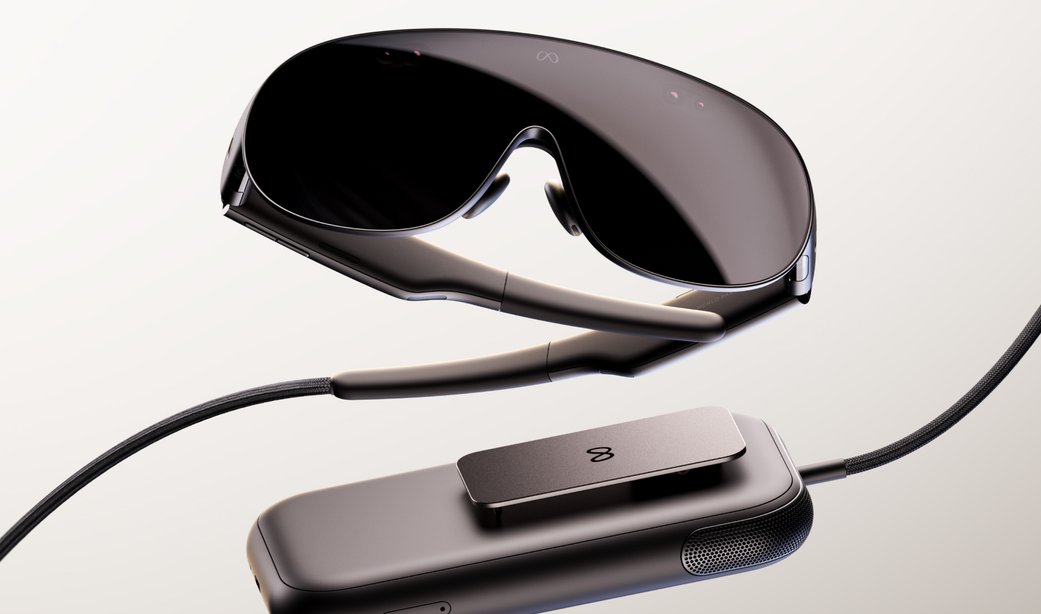

Meta Platforms Inc. unveiled a new suite of devices at its annual Connect conference, aiming to revive its metaverse ambitions with lighter, more immersive hardware. Central to the announcement is the Meta VR Glasses, a high-end virtual reality device designed to compete in a market where adoption has been slow. The company also introduced new smart glasses and an AI assistant device, signaling a broader push into wearable technology.
30 SEC SUMMARY
- Meta Platforms Inc. unveiled the Meta VR Glasses, a new virtual reality device priced at $1,299, aiming to revive its metaverse ambitions with a lighter design.
- The Meta VR Glasses are five times lighter than Meta’s Quest 3 headset and feature a 5K Infinite Display with micro-OLED technology.
- Meta also introduced the Ray-Ban Meta Audio, audio-only smart glasses priced at $349, and the third-generation Ray-Ban Meta glasses with a 12MP camera.
- Disney+ will offer 3D movies for the Meta VR Glasses starting in November, enhancing immersive entertainment experiences.
- Meta’s Muse Charm, a handheld AI assistant device, was announced with pricing and final details still undecided.
TABLE OF CONTENTS
- Meta VR Glasses: A Lighter Approach to VR
- Hardware and Pricing
- Content Partnerships and Immersive Experiences
- New Smart Glasses and AI Integration
- Revival of Metaverse Ambitions
- Background: Meta’s Hardware Evolution
- What this means
- Key takeaways
- FAQ
- Sources
KEY HIGHLIGHTS
- Meta announces the Meta VR Glasses, a lighter and more immersive VR device priced at $1,299, launching next spring.
- The Meta VR Glasses feature a 5K Infinite Display with micro-OLED technology and support for Dolby Vision and IMAX Enhanced.
- Disney+ will offer 3D movies for the Meta VR Glasses starting in November, enhancing immersive entertainment options.
- Meta introduces the Ray-Ban Meta Audio ($349), audio-only smart glasses, and the third-generation Ray-Ban Meta glasses with a 12MP camera and AI assistant.
- The Muse Charm, a handheld AI assistant device, was announced with pricing and final details still undecided.
Meta VR Glasses: A Lighter Approach to VR
Meta Platforms Inc. unveiled its latest virtual reality device, the Meta VR Glasses, at its annual Connect conference. According to SiliconANGLE, the device is designed to be significantly lighter and more immersive than Meta’s existing Quest-branded headsets, marking the company’s first new VR hardware since the $299 Quest 3S launched in 2024.
Hardware and Pricing
The Meta VR Glasses are priced at $1,299 and will launch next spring. The device is five times lighter than the Quest 3 headset, a claim attributed to Meta’s efforts to reduce bulk while maintaining performance. It features a 5K Infinite Display with micro-OLED technology, delivering 37 pixels per degree for sharper visuals. The glasses also support Dolby Vision and IMAX Enhanced, aiming to create a more cinematic experience for users.
Content Partnerships and Immersive Experiences
Meta has partnered with Walt Disney Co. to bring 3D content to the Meta VR Glasses. Starting in November, Disney+ will offer 3D movies optimized for the device, transforming the user’s surroundings with immersive environments, spatial audio, and dynamic effects. This collaboration could address one of the longstanding challenges for VR adoption: a lack of compelling content.
New Smart Glasses and AI Integration
In addition to the Meta VR Glasses, Meta introduced two new wearable devices. The Ray-Ban Meta Audio, priced at $349, are audio-only smart glasses without a camera, weighing just 43 grams. These glasses are positioned as a more accessible entry point into Meta’s ecosystem.
The third-generation Ray-Ban Meta glasses, available in Aviator, Zena, and Wayfarer styles, include a 12-megapixel camera capable of 3K Ultra HD video recording. They also feature a six-microphone array and up to nine hours of battery life. These glasses integrate with Meta’s AI assistant, Muse, which can perform tasks autonomously, such as booking flights or shopping.
Meta also teased the Muse Charm, a small handheld device for interacting with the Muse AI assistant. No pricing or final details were announced, indicating it is still in development.
Revival of Metaverse Ambitions
Meta’s metaverse ambitions have faced challenges, including slow consumer adoption and skepticism about the technology’s practicality. According to SiliconANGLE, Mark Zuckerberg stated that the company deprioritized its metaverse efforts until it could achieve breakthroughs in hardware and user experience. The Meta VR Glasses and new smart glasses suggest Meta is now ready to re-engage with those ambitions.
Background: Meta’s Hardware Evolution
Meta’s last major VR device, the Quest 3S, launched in 2024 as a budget-friendly alternative to higher-end VR headsets. The Meta VR Glasses represent a shift toward premium hardware, reflecting the company’s focus on improving user experience through lighter designs and higher-resolution displays.
The partnership with Disney+ for 3D content aligns with Meta’s strategy to enhance the value proposition of its devices by integrating entertainment options.
Prior to this launch, Meta had explored various wearable devices, including earlier iterations of the Ray-Ban smart glasses. The company’s collaboration with Qualcomm for the Snapdragon Reality Elite processor also underscores its reliance on third-party chipmakers to power its devices.
What this means
LazyFounders analysis — our interpretation, not reported fact.
Meta’s latest product announcements signal a renewed push into the metaverse and wearable technology, areas where the company has faced skepticism and slow adoption in the past. The Meta VR Glasses represent a technical leap—lighter hardware, higher-resolution displays, and partnerships with content providers like Disney+ could address some of the usability and content gaps that held back earlier devices.
For founders, this is a reminder that persistence in ambitious product categories can pay off if backed by meaningful improvements. However, the $1,299 price point also highlights the challenge of balancing cutting-edge technology with mass-market appeal. The success of these devices will depend not just on hardware but on ecosystem growth—content, apps, and use cases that justify the investment for consumers and developers alike.
The introduction of the Ray-Ban Meta Audio and third-generation Ray-Ban Meta glasses suggests Meta is hedging its bets, offering lower-cost entry points into its ecosystem. This could be a smart strategy to build user habits and loyalty before pushing more expensive hardware. Ultimately, Meta’s ability to make these devices feel indispensable—not just novel—will determine whether this is a true revival or another false start.
Key takeaways
- Meta’s new Meta VR Glasses are priced at $1,299 and will launch next spring with a lighter, more immersive design.
- The device features a 5K Infinite Display with micro-OLED technology and Dolby Vision support for cinematic experiences.
- Disney+ will offer 3D movies for the Meta VR Glasses starting in November, marking a key content partnership.
- Meta introduced audio-only Ray-Ban Meta Audio glasses ($349) and upgraded Ray-Ban Meta (Gen 3) glasses with a 12MP camera and AI assistant integration.
- The Muse Charm, a handheld AI assistant device, was announced but remains in development with undecided pricing.
- Meta’s metaverse strategy appears to be evolving, focusing on incremental improvements and ecosystem growth.
FAQ
How much do the Meta VR Glasses cost, and when will they be available?
The Meta VR Glasses are priced at $1,299 and will launch next spring.
What are the key features of the Meta VR Glasses?
The Meta VR Glasses feature a 5K Infinite Display with micro-OLED technology, Dolby Vision and IMAX Enhanced support, and a design that is five times lighter than Meta’s Quest 3 headset.
What content will be available for the Meta VR Glasses?
Disney+ will offer 3D movies optimized for the Meta VR Glasses starting in November, enhancing immersive entertainment experiences.
What other devices did Meta announce?
Meta introduced the Ray-Ban Meta Audio, audio-only smart glasses priced at $349, and the third-generation Ray-Ban Meta glasses with a 12MP camera and AI assistant integration. The company also teased the Muse Charm, a handheld AI assistant device.
How does the Meta VR Glasses compare to Meta’s existing VR headsets?
The Meta VR Glasses are significantly lighter and feature higher-resolution displays compared to Meta’s existing Quest-branded headsets, such as the Quest 3.
What is Meta’s strategy with these new devices?
Meta’s strategy appears to focus on incremental improvements in hardware and user experience, along with ecosystem growth through partnerships like Disney+ and AI integration.
Related on LazyFounders
Sources
- SiliconANGLE · 2026-09-24
Meta tries to resurrect the metaverse with its new VR Glasses
This story is an original summary and analysis written by LazyFounders from the reporting listed above. Facts are attributed to their original publishers; sections marked as analysis are LazyFounders's opinion. Where a source is in another language, facts were machine-translated and quotations are reported, not reproduced. Read the original coverage via the links.
