
MapQuest Adds Public Transit Directions After Decades-Long Delay
MapQuest has added public transit directions to its iOS and Android apps, a feature it lacked for decades. The update follows a surge in users after the company refused to rename Lake Ontario as "Lake America," reigniting interest in its platform. With web support and Android Auto integration in development, MapQuest aims to close the gap with competitors like Google Maps and Apple Maps.
LazyFounders
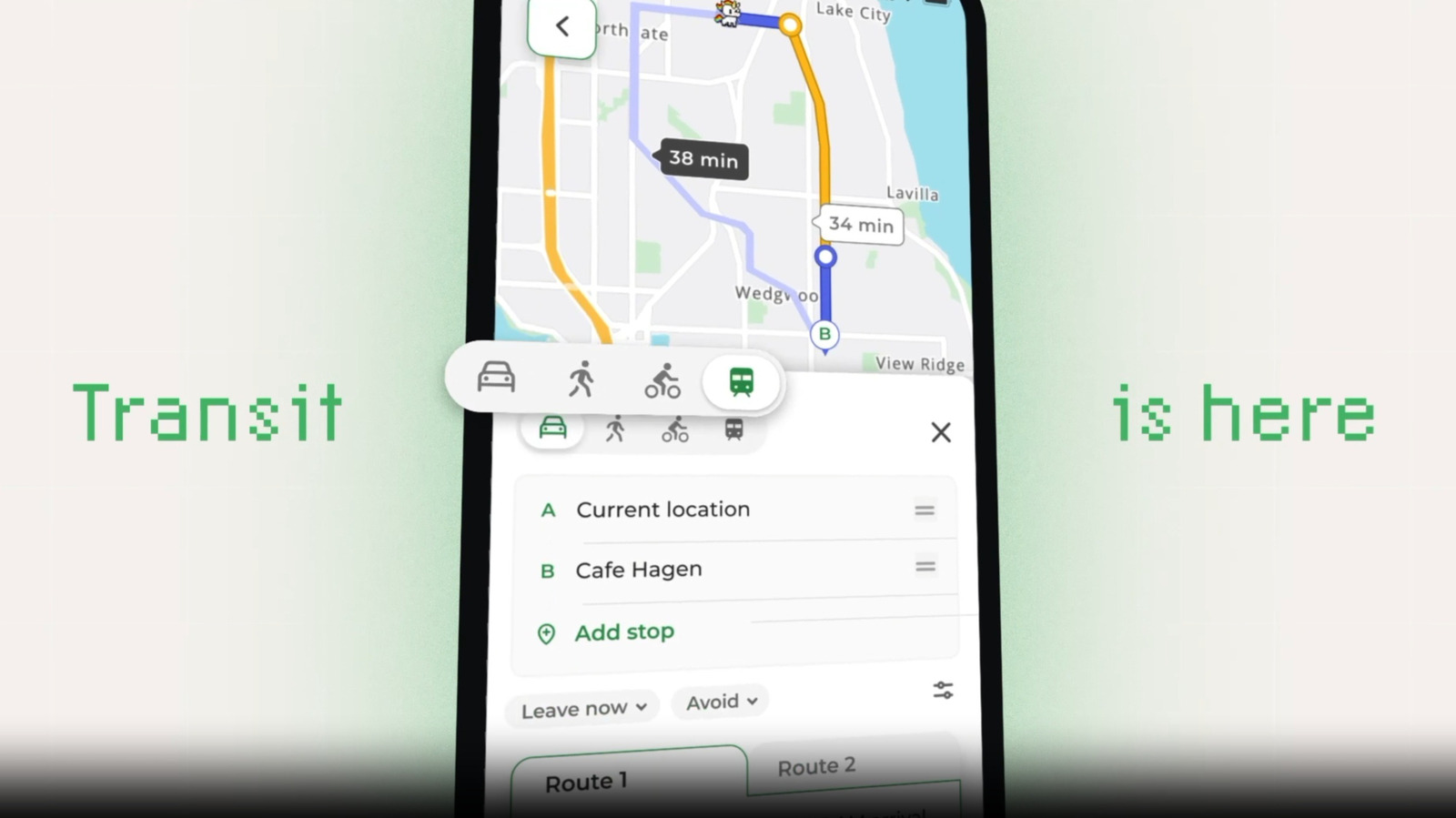

MapQuest has added public transit directions to its iOS and Android apps, a feature it lacked for decades. The update follows a surge in users after the company refused to rename Lake Ontario as "Lake America," reigniting interest in its platform. With web support and Android Auto integration in development, MapQuest aims to close the gap with competitors like Google Maps and Apple Maps.
30 SEC SUMMARY
- MapQuest has added public transit directions to its iOS and Android apps, a feature it lacked for decades.
- The update supports nearly 2,000 cities across 70 countries, with real-time transit information and door-to-door trip planning.
- User growth surged after MapQuest refused to rename Lake Ontario as "Lake America" in response to a controversial executive order.
- Web support for transit directions and Android Auto integration are in development.
- Competitors like Google Maps and Apple Maps have offered public transit directions for over a decade.
TABLE OF CONTENTS
- Public Transit Directions Added After Decades
- Coverage and Features
- User Growth Driven by Controversy
- Playing Catch-Up in a Competitive Market
- What this means
- Key takeaways
- FAQ
- Sources
KEY HIGHLIGHTS
- MapQuest added public transit directions to its iOS and Android apps, with web support coming soon.
- The feature covers nearly 2,000 cities across 70 countries and includes real-time transit data.
- User growth surged after MapQuest refused to rename Lake Ontario as "Lake America."
- Competitors like Google Maps and Apple Maps have offered public transit directions for over a decade.
- Android Auto support and expanded transit coverage are in development.
Public Transit Directions Added After Decades
MapQuest has introduced public transit directions to its iOS and Android apps, according to Engadget. The feature, which the company lacked for decades, is now available to users, with web support expected to follow soon.
Coverage and Features
The update enables door-to-door trip planning and includes real-time transit information, such as departure times, delays, and station entrance details. According to Engadget, the feature covers nearly 2,000 cities across 70 countries, offering multiple route options for users.
User Growth Driven by Controversy
MapQuest’s user base surged earlier this year after the company refused to rename Lake Ontario as "Lake America" in response to a hypothetical executive order. Engadget reports that millions of users rediscovered the app, many of whom requested public transit directions to replace Google Maps or Apple Maps as their primary navigation tool.
Playing Catch-Up in a Competitive Market
While competitors like Google Maps and Apple Maps have offered public transit directions for over a decade, MapQuest’s delayed update reflects a broader struggle to modernize its platform. The company is now playing catch-up, with plans to expand transit coverage and add Android Auto support in the near future.
What this means
LazyFounders analysis — our interpretation, not reported fact.
MapQuest’s decision to add public transit directions—decades after competitors—highlights how external pressure, rather than strategic foresight, can drive product evolution. For founders, this is a reminder that user needs often go unmet until a catalyst forces action. While the feature is a necessary step to stay relevant, its delayed arrival raises questions about MapQuest’s long-term competitiveness in a space dominated by Google Maps and Apple Maps.
The surge in users following the "Lake America" controversy also underscores how cultural or political moments can reshape brand perception. For operators, this is a case study in how resisting trends—or embracing them—can unexpectedly drive growth. However, playing catch-up in a saturated market is risky; MapQuest’s challenge now is proving it can retain users with a more modern experience.
Key takeaways
- MapQuest’s public transit feature is a long-overdue addition, now available on iOS and Android, with web support coming soon.
- The update includes real-time transit data, station details, and route planning for nearly 2,000 cities across 70 countries.
- User growth spiked after MapQuest’s refusal to rename Lake Ontario, demonstrating how external events can impact adoption.
- Competitors like Google Maps and Apple Maps have offered similar features for over a decade, putting MapQuest at a disadvantage.
- Android Auto support and expanded transit coverage are in development, indicating ongoing investment in modernization.
FAQ
Why did MapQuest add public transit directions now?
MapQuest added the feature after a surge in users following its refusal to rename Lake Ontario as "Lake America." The influx of users highlighted demand for transit directions, prompting the update.
How does MapQuest’s public transit feature compare to competitors?
MapQuest’s feature includes real-time transit data, door-to-door trip planning, and coverage for nearly 2,000 cities across 70 countries. However, competitors like Google Maps and Apple Maps have offered similar features for over a decade.
What’s next for MapQuest?
MapQuest plans to add web support for transit directions and integrate with Android Auto. The company is also working on expanding transit coverage and improving live navigation features.
Related on LazyFounders
Sources
- Engadget · 2026-09-24
It Took MapQuest Until 2026 To Add Public Transit Directions
This story is an original summary and analysis written by LazyFounders from the reporting listed above. Facts are attributed to their original publishers; sections marked as analysis are LazyFounders's opinion. Where a source is in another language, facts were machine-translated and quotations are reported, not reproduced. Read the original coverage via the links.
