
ISRO's 2026 Success: Launching India's First Imaging Satellite in Geo-Orbit
ISRO's 2026 success: India's first imaging satellite in geo-orbit launched. Learn about the GSLV rocket, EOS-05 satellite's capabilities, and its impact on agriculture and disaster management.
LazyFounders

30 SEC SUMMARY
ISRO achieved a significant milestone in 2026 by successfully launching India's first imaging satellite, EOS-05, into a geo-orbit using the GSLV rocket. This 2,367 kg payload marks the heaviest satellite ever carried by a GSLV, providing real-time imagery for agriculture and disaster management.
TABLE OF CONTENTS
KEY HIGHLIGHTS
- ISRO's first successful launch of 2026
- The heaviest satellite ever launched by a GSLV
- Real-time imaging capabilities for agriculture and disaster management
- Significant improvement in GSLV performance
INTRODUCTION
On Friday, ISRO etched another chapter in India's space history with the successful launch of its first-ever imaging satellite in geo-orbit. The GSLV rocket placed the 2,367 kg payload precisely into orbit, marking a significant achievement for the Indian Space Research Organisation (ISRO).
MISSION DETAILS
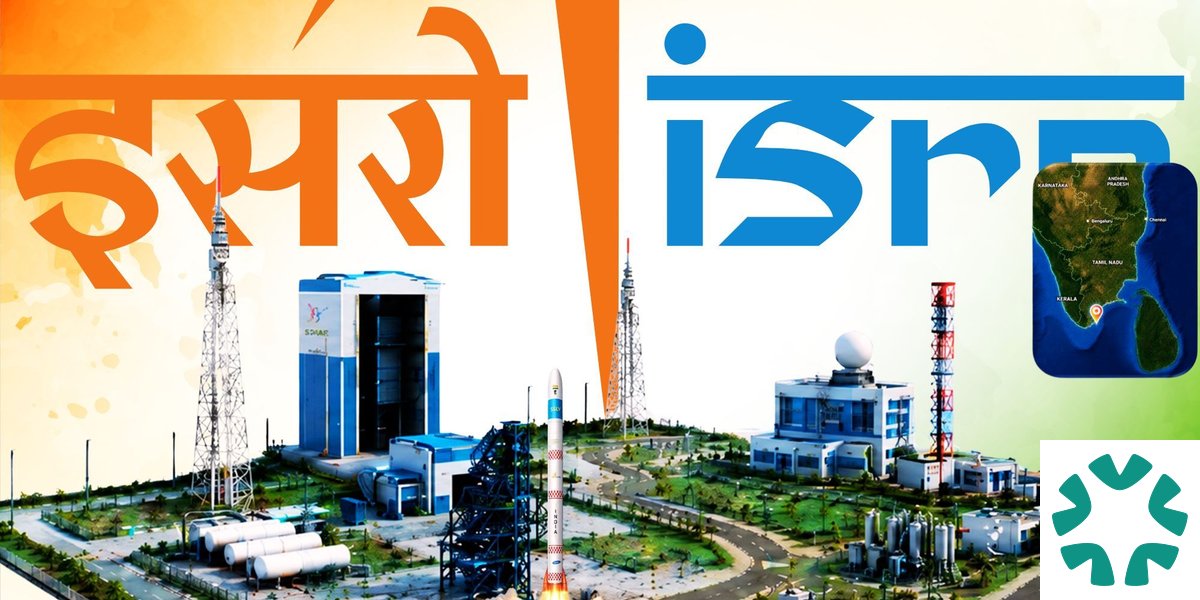
The EOS-05 satellite was launched from the Satish Dhawan Space Centre at 2:55 AM on Friday. The 3-stage, 51.7-meter Geosynchronous Launch Vehicle (GSLV), with its cryogenic third stage, carried the satellite to its intended sub-geosynchronous transfer orbit, approximately 36,000 km above Earth. This orbit allows the satellite to match Earth's rotational speed, providing continuous coverage.
TECHNICAL SPECIFICATIONS
The GSLV-F17/EOS-05 mission is a testament to ISRO's technological advancements. The rocket's lift-off mass was 420.5 tonnes, and it successfully deployed the heaviest satellite ever launched by a GSLV into a geosynchronous transfer orbit. The satellite's multi-band imaging capabilities are expected to provide near real-time data, crucial for various national activities.
IMPACT AND APPLICATIONS
The successful deployment of EOS-05 is a morale booster for ISRO and the nation. The satellite is set to provide strategic data for agriculture and disaster management, offering real-time imagery that can significantly aid in these areas.
CONCLUSION
ISRO's successful launch of the EOS-05 satellite into geo-orbit is a landmark achievement for India's space program. This mission not only highlights the advancements in GSLV technology but also underscores the satellite's potential to provide critical data for national development.
CALL-TO-ACTION
For more information on ISRO's achievements and future missions, visit blogy.in.
FAQ SECTION
What is the EOS-05 satellite?
The EOS-05 satellite is India's first imaging satellite placed in a geo-orbit. It is designed to provide real-time imagery for various national activities, including agriculture and disaster management.
How heavy is the EOS-05 satellite?
The EOS-05 satellite weighs 2,367 kg, making it the heaviest satellite ever launched by a GSLV.
What is the significance of the GSLV-F17 mission?
The GSLV-F17 mission is significant as it successfully placed the heaviest satellite ever carried by a GSLV into a geosynchronous transfer orbit, marking a major milestone in ISRO's space program.
Sources
This story is an original summary and analysis written by LazyFounders from the reporting listed above. Facts are attributed to their original publishers; sections marked as analysis are LazyFounders's opinion. Where a source is in another language, facts were machine-translated and quotations are reported, not reproduced. Read the original coverage via the links.
