
Instagram's New Rules on AI Influencers: What You Need to Know in 2026
Discover Instagram's new rules on AI influencers in 2026. Learn how the platform plans to regulate AI-generated profiles to ensure transparency.
LazyFounders

30 SEC SUMMARY
In 2026, Instagram is implementing new rules to regulate AI-generated profiles that mimic real people. The platform will require these accounts to disclose their artificial nature using a new 'AI-generated profile' label. Failure to comply may result in reduced reach, but the accounts will not be banned. This move aims to increase transparency and protect users from being misled by synthetic influencers.
TABLE OF CONTENTS
Introduction
In 2026, Instagram is tightening its rules around AI-generated profiles that resemble real people but do not clearly disclose their artificial nature. The platform aims to ensure transparency by requiring these accounts to use a new 'AI-generated profile' label. This change is part of Instagram's broader effort to combat the growing presence of AI influencers who can convincingly mimic human creators.
Instagram's New Disclosure Label
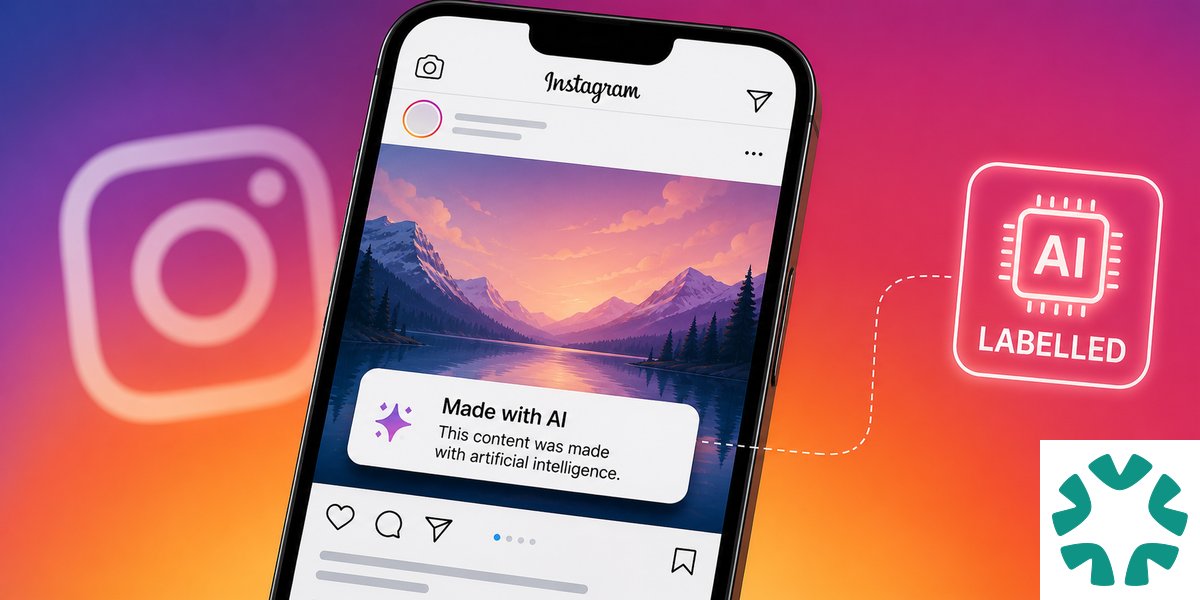
Instagram is updating its 'AI creator' label to 'AI-generated profile' to make it clearer when an account features a person created or heavily modified using AI. This label is not a punishment; creators can still build audiences and post normally. However, if Instagram believes a profile should have the label and it does not, the platform may reduce its reach. Essentially, the AI influencer can stay, but Instagram may not help it get discovered.
Why Instagram is Taking This Step
The issue of AI-generated personalities has become increasingly difficult to ignore. These profiles can look remarkably convincing, making it challenging for users to determine whether they are following a real creator or a synthetic character. This problem is particularly concerning when these accounts start selling products, especially in sensitive areas like health, supplements, and financial products.
Instagram's new label aims to provide upfront information to users, preventing them from discovering later that a profile they thought was human was actually generated by AI. This transparency is crucial for maintaining trust and ensuring users are aware of the nature of the accounts they follow.
Impact on AI Influencers
Instagram is not banning AI influencers. Instead, the platform is drawing a line between using AI to create content and using AI to create a person without making that clear. By implementing the new disclosure label, Instagram hopes to balance the benefits of AI-generated content with the need for transparency.
This update could make users more cautious when scrolling through Instagram, prompting them to question whether there is an actual person behind a profile.
FAQs
What does the 'AI-generated profile' label mean?
The 'AI-generated profile' label indicates that the person featured on the account is created or heavily modified using AI.
Will AI influencers be banned from Instagram?
No, Instagram is not banning AI influencers. The label is intended to increase transparency, not to ban accounts.
How will this affect the reach of AI influencers?
If an AI-generated profile does not use the new label, Instagram may reduce its reach to ensure compliance with the new rules.
KEY HIGHLIGHTS
- Instagram introduces 'AI-generated profile' label to increase transparency.
- The label is not a ban but a requirement for AI-generated profiles.
- Failure to disclose AI-generated profiles may result in reduced reach.
- The move aims to protect users from being misled by synthetic influencers.
Conclusion
In 2026, Instagram's new rules on AI-generated profiles represent a significant step towards greater transparency on the platform. By requiring clear disclosure of AI-generated individuals, Instagram aims to protect users and maintain trust. While AI influencers will still be able to create content, they must now clearly indicate their synthetic nature to avoid reduced reach.
Call-to-Action
For more insights on digital trends and platform updates, visit blogy.in.
Sources
This story is an original summary and analysis written by LazyFounders from the reporting listed above. Facts are attributed to their original publishers; sections marked as analysis are LazyFounders's opinion. Where a source is in another language, facts were machine-translated and quotations are reported, not reproduced. Read the original coverage via the links.
