
India's Silver Economy: Extending Participation Beyond Healthcare
Explore India's silver economy in 2026, focusing on extending participation beyond healthcare. Learn how age-friendly infrastructure supports active aging.
LazyFounders

India's Silver Economy: Extending Participation Beyond Healthcare
30 SEC SUMMARY
In 2026, India's silver economy is evolving to focus on extending participation beyond traditional healthcare. With a projected 230 million people aged 60 and above by 2036, the emphasis is shifting towards creating age-friendly environments that support work, learning, and social interaction. Flexible workspaces and age-friendly infrastructure are pivotal in this transformation.
TABLE OF CONTENTS
KEY HIGHLIGHTS
- India's population aged 60 and above is projected to reach 230 million by 2036.
- Age-friendly infrastructure focuses on accessibility, mobility, and social participation.
- Flexible workspaces enable intergenerational exchange and professional networking.
Introduction
In 2026, India's silver economy is entering a defining phase. As people live longer and stay active longer, the conversation around aging is expanding from healthcare and senior living to the larger question of how our cities can support participation, independence, and connection across generations.
The Growing Importance of Age-Friendly Infrastructure
According to a 2026 systematic review of social isolation and loneliness among older adults, India’s population aged 60 and above is projected to reach 230 million by 2036. This demographic shift underscores the need for environments that support active aging.
Recent evidence from Bengaluru offers an important perspective. A 2026 assessment of age-friendly communities found that only four of the 27 locations assessed met the criteria for age-friendly living. The finding highlights how age-friendly infrastructure encompasses much more than healthcare. Accessibility, mobility, social participation, public spaces, and opportunities for community engagement are equally important components of how people experience a city.
Flexible Workspaces and Intergenerational Exchange
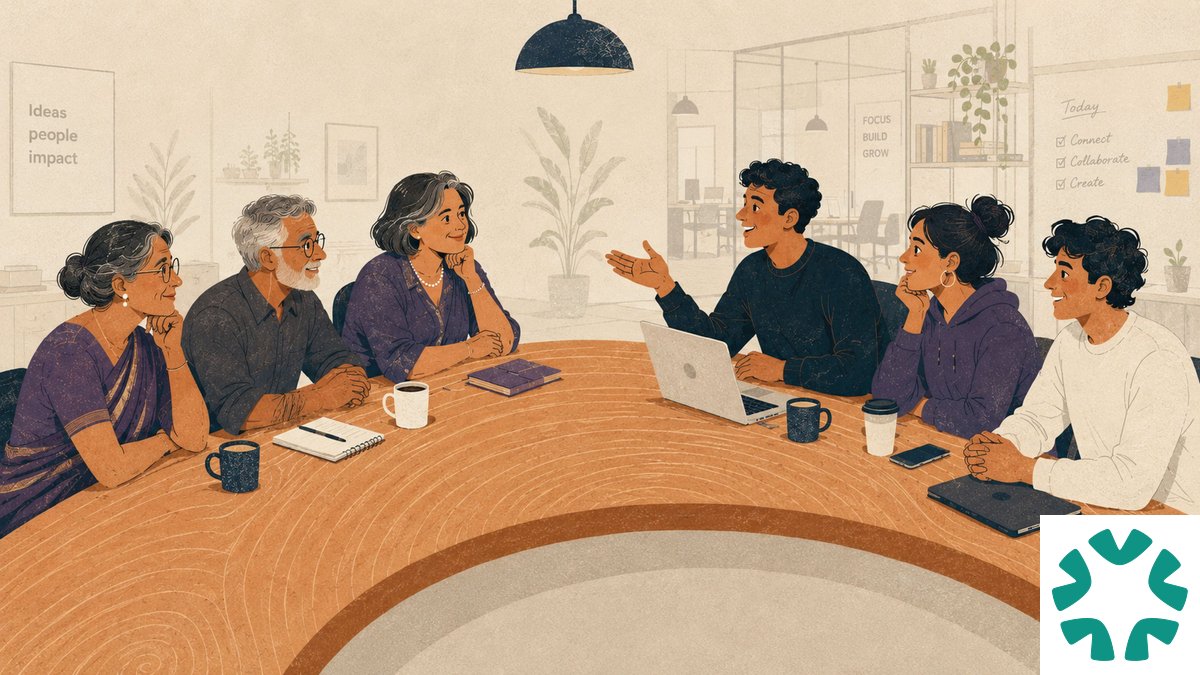
The same principle applies to the workplace. For many experienced professionals, retirement is increasingly becoming a transition rather than a complete departure from professional life. Someone in their 60s may choose to consult, mentor entrepreneurs, advise businesses, pursue a second venture, teach, or work on independent projects. These activities require access to professional networks and spaces that support flexibility.
Flexible workspace networks can contribute to this ecosystem by creating accessible professional environments where different generations and career stages can interact. With distributed workspace models, these communities can also extend across cities, supporting professionals who increasingly live and work across multiple locations.
The Role of Urban Planners and Developers
For urban planners, developers, businesses, and workspace operators, this presents an opportunity to think about age-friendly infrastructure more holistically. Healthcare, housing, and mobility will remain essential, but so will the everyday spaces where people can meet, work, learn, and participate.
The future of the silver economy can therefore be about much more than extending lifespan. It can be about extending participation. Healthcare can support longer, healthier lives. Community infrastructure can help ensure those years remain connected to opportunity, purpose, and people.
Future Prospects for the Silver Economy
As India builds its cities for the decades ahead, the workplace can become an important part of that infrastructure, a place where experience meets ambition, generations exchange ideas, and people continue to connect, contribute, and create value at every stage of life.
FAQs
What is the silver economy?
The silver economy refers to the economic activities and policies that cater to the needs of an aging population, focusing on extending participation and productivity beyond traditional retirement age.
How can flexible workspaces contribute to the silver economy?
Flexible workspaces provide accessible professional environments where different generations can interact, facilitating intergenerational exchange and professional networking.
What role do urban planners play in the silver economy?
Urban planners can design age-friendly infrastructure that supports accessibility, mobility, and social participation, ensuring that cities remain inclusive and supportive for older adults.
Conclusion
In 2026, the silver economy in India is evolving to focus on extending participation beyond traditional healthcare. By creating age-friendly environments that support work, learning, and social interaction, India can ensure that its aging population remains connected to opportunity, purpose, and people.
Call-to-Action
Discover more about creating inclusive and age-friendly environments at blogy.in.
Sources
This story is an original summary and analysis written by LazyFounders from the reporting listed above. Facts are attributed to their original publishers; sections marked as analysis are LazyFounders's opinion. Where a source is in another language, facts were machine-translated and quotations are reported, not reproduced. Read the original coverage via the links.
