Google DeepMind's SL2T: Sign-Language-to-Text Model for 2026 Accessibility
Discover Google DeepMind's SL2T model in 2026, transforming sign-language-to-text for Deaf and hard-of-hearing users. Learn how it enhances accessibility.
LazyFounders

30 SEC SUMMARY
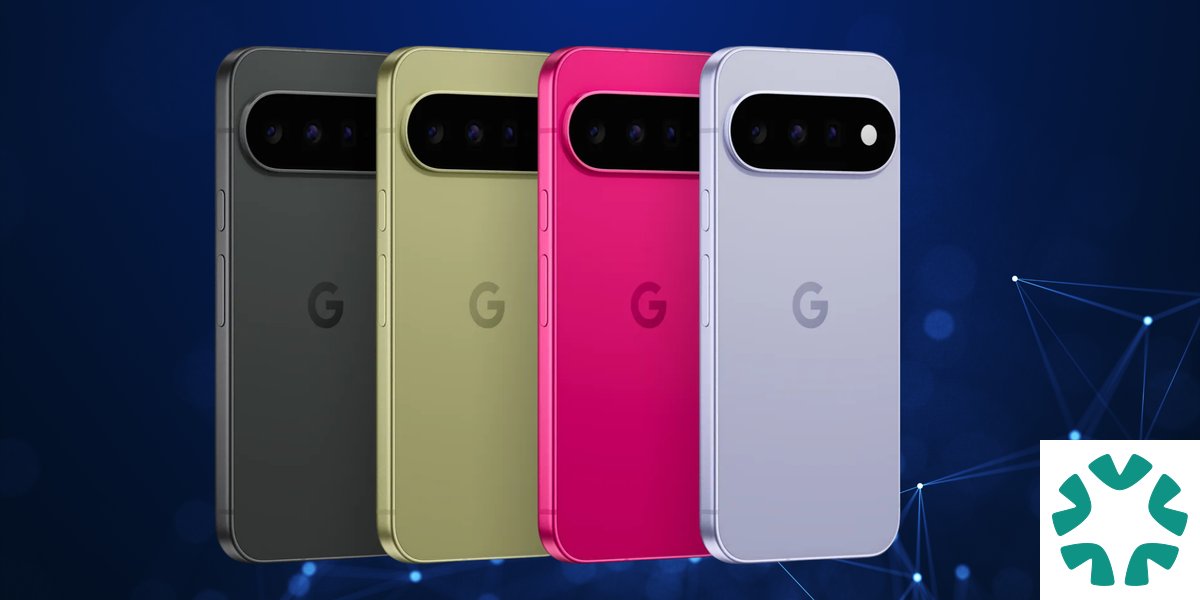
Google DeepMind's SL2T model revolutionizes sign-language-to-text technology in 2026, enabling Deaf and hard-of-hearing users to communicate via sign language directly on Pixel 11 devices. This breakthrough moves sign language AI from research to consumer products, enhancing accessibility and cultural representation.
TABLE OF CONTENTS
- Introduction
- The Importance of Sign Language Accessibility
- How SL2T Works
- Privacy and Security
- Challenges and Solutions
- Real-World Impact
- Future Prospects
- FAQ
- Conclusion
- Call-to-Action
KEY HIGHLIGHTS
- Google DeepMind's SL2T model transforms sign language into text on Pixel 11.
- The model supports American Sign Language to English translation initially.
- SL2T was trained on over 100,000 hours of data across multiple sign languages.
- The model prioritizes privacy by not sending raw video data.
- Google involves Deaf users and experts throughout the development process.
Introduction
In 2026, Google DeepMind introduced a groundbreaking sign-language-to-text model named SL2T. This innovation aims to reduce the necessity of typing for Deaf and hard-of-hearing users, offering a new way to communicate through sign language directly on Pixel 11 devices.
The Importance of Sign Language Accessibility
Sign languages are independent natural languages with unique grammar, vocabulary, and cultural significance. With over 200 sign languages globally, used by an estimated 70 million Deaf and hard-of-hearing individuals, the need for accurate sign language translation is paramount. Unlike speech-to-text, sign-language-to-text involves complex machine translation, requiring the system to understand and interpret visual language movements.
How SL2T Works
SL2T was trained on more than 100,000 hours of data across over 50 sign languages, with a significant portion dedicated to American Sign Language (ASL). The model was designed to learn broader patterns across different languages, dialects, and signing styles. For privacy, SL2T does not send raw camera video for translation. Instead, it tracks body pose landmarks, which are geometric coordinates representing the signer’s movement. These coordinates are then translated directly into text, avoiding older approaches that rely on intermediate labels, often called glosses, which can miss important parts of sign language.
Privacy and Security
Google emphasizes privacy and security in SL2T. The system does not transmit raw video data, ensuring that only the necessary pose landmarks are sent for translation. This approach discards the original video immediately, maintaining user privacy.
Challenges and Solutions
SL2T performs strongly on ASL-to-English benchmarks, but real-world challenges remain. Google worked on reducing delay, handling one-handed signing, supporting left-handed signers, and avoiding incorrect output when someone is not signing. The company also involved Deaf users and experts throughout development, including testing, data collection, impact assessment, and an AI Sign Language Advisory Committee.
Real-World Impact
The introduction of SL2T in Gboard and Live Transcribe on Pixel 11 marks a significant step forward in accessibility. Users can now sign messages, search queries, and documents directly into their phones, enhancing communication in places where typing would normally be required. In Live Transcribe, the feature helps users sign responses during conversations, reducing reliance on typed replies.
Future Prospects
Google plans to expand SL2T to more devices and additional sign languages in the future. The company remains committed to involving Deaf users and experts in ongoing development to ensure the technology meets real-world needs.
FAQ
**Q: What is SL2T? **A: SL2T is a sign-language-to-text model developed by Google DeepMind to convert sign language into written text.
**Q: Which sign language does SL2T currently support? **A: SL2T currently supports American Sign Language (ASL) to English translation.
**Q: How does SL2T ensure user privacy? **A: SL2T tracks body pose landmarks instead of sending raw video data, ensuring that only the necessary information is used for translation.
Conclusion
Google DeepMind's SL2T model represents a significant advancement in sign-language-to-text technology, offering Deaf and hard-of-hearing users a new way to communicate directly through sign language on Pixel 11 devices. With ongoing development and future expansions, SL2T is poised to enhance accessibility and cultural representation in 2026 and beyond.
Call-to-Action
Discover more about Google DeepMind's innovative solutions for accessibility at blogy.in. Join us in shaping a more inclusive future.
Sources
- yourstory.com
Google puts AI sign language translation on Pixel 11
This story is an original summary and analysis written by LazyFounders from the reporting listed above. Facts are attributed to their original publishers; sections marked as analysis are LazyFounders's opinion. Where a source is in another language, facts were machine-translated and quotations are reported, not reproduced. Read the original coverage via the links.