
Digital Camouflage: Berlin Tech Artist's AI-Resistant Shirt
Explore Berlin-based artist Simon Weckert's Digital Camouflage, an AI-resistant shirt that challenges computer-vision systems. Learn how it works and its implications for AI surveillance in 2026.
LazyFounders

30 SEC SUMMARY
Berlin-based artist Simon Weckert has created Digital Camouflage, a shirt with patterns designed to interfere with AI object detection systems. This artistic intervention highlights the limitations of machine vision and raises questions about AI surveillance.
TABLE OF CONTENTS
KEY HIGHLIGHTS
- Berlin-based artist Simon Weckert created Digital Camouflage.
- The shirt uses patterns to interfere with AI object detection systems.
- It raises questions about the reliability of AI surveillance.
- The effectiveness of the shirt varies based on different AI models and conditions.
Introduction to Digital Camouflage
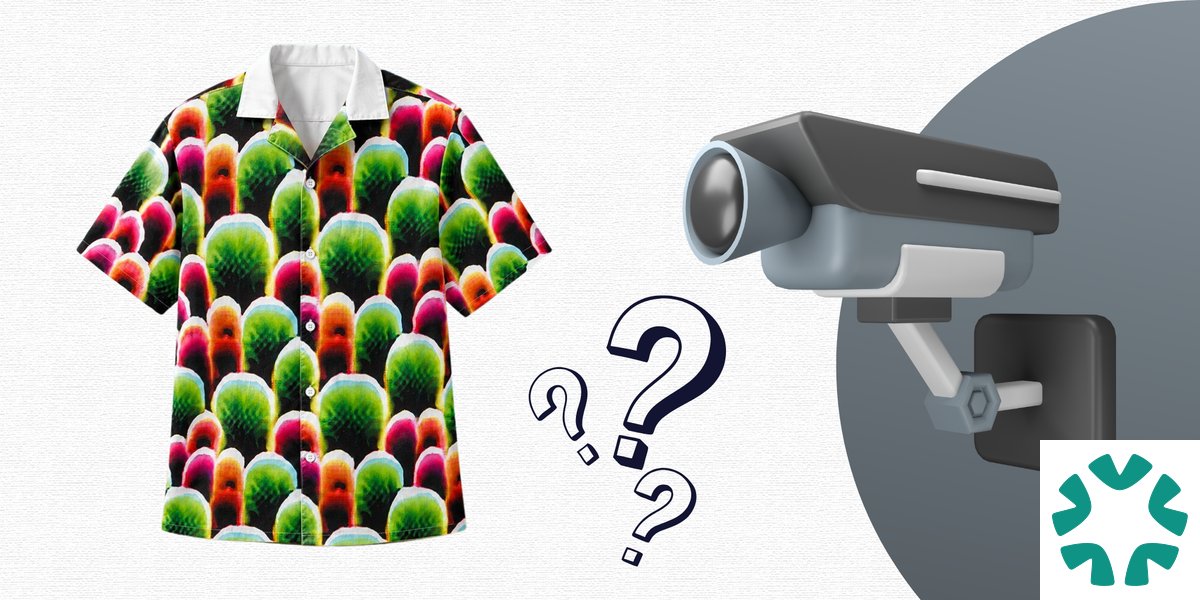
In 2026, Berlin-based artist and technologist Simon Weckert unveiled Digital Camouflage, a shirt adorned with bright, abstract patterns. To the human eye, these patterns are simply loud and playful. However, to AI cameras, they present a unique challenge. Digital Camouflage is designed to interfere with computer-vision systems used for object detection, demonstrating a fascinating intersection of art and technology.
How Digital Camouflage Works
Digital Camouflage employs an adversarial attack to confuse AI object detection systems. These systems typically learn to identify visual patterns that suggest a person, such as body outlines, shapes, edges, and the relationship between different parts of the body. The shirt's patterns introduce visual information that disrupts what the AI has learned to recognize.
For example, the open-source YOLO object-detection system identifies other pedestrians as people while failing to consistently recognize the wearer of the Digital Camouflage shirt. This demonstrates a significant weakness in how machine vision operates, showing that AI can be remarkably capable yet still sensitive to small changes that humans barely notice.
Implications for AI Surveillance
The creation of Digital Camouflage taps into a broader question about the future of AI-powered surveillance. As AI systems become more prevalent in public spaces, concerns about privacy and the reliability of these systems grow. The shirt serves as an artistic intervention, highlighting the potential vulnerabilities in AI surveillance technology.
By making a technical problem tangible, Digital Camouflage turns an abstract issue into something that can be physically worn and experienced. It underscores an important reality: while cameras may capture the same world we see, AI does not necessarily see it the same way. This discrepancy raises important ethical questions about the deployment of AI in surveillance.
Limitations of Digital Camouflage
Although Digital Camouflage is an intriguing concept, it has significant limitations. Its effectiveness can vary based on the specific AI model, camera angle, distance, lighting, movement, and even how the fabric sits on the body. It is not a reliable shield against sophisticated police cameras, facial recognition, or advanced tracking systems.
The project was developed in response to concerns around AI-powered video surveillance planned for Berlin's Kottbusser Tor, a busy public area. Weckert presents the shirt as an artistic intervention rather than a guaranteed privacy product. The point is less about walking around undetected and more about exposing a weakness in how machine vision works.
Conclusion
Digital Camouflage by Simon Weckert offers a thought-provoking look at the limitations of AI surveillance systems. While it does not provide a foolproof solution to privacy concerns, it does highlight the potential vulnerabilities in AI technology. As AI continues to advance, projects like Digital Camouflage remind us of the importance of critical thinking and ethical considerations in the deployment of these powerful technologies.
FAQ
What is Digital Camouflage?
Digital Camouflage is a shirt created by Berlin-based artist Simon Weckert, designed with patterns that interfere with AI object detection systems.
How does Digital Camouflage work?
The shirt uses adversarial patterns to confuse AI systems, making it harder for them to recognize the wearer.
What are the implications of Digital Camouflage for AI surveillance?
It raises questions about the reliability and ethical deployment of AI surveillance technology.
Call-to-Action
For more insightful startup stories and tech news, visit blogy.in.
Sources
- yourstory.com
This shirt can make you invisible to AI cameras
This story is an original summary and analysis written by LazyFounders from the reporting listed above. Facts are attributed to their original publishers; sections marked as analysis are LazyFounders's opinion. Where a source is in another language, facts were machine-translated and quotations are reported, not reproduced. Read the original coverage via the links.