
Collibra Launches Runtime Governance Tools for Enterprise AI Agents
Collibra BV has launched a suite of **runtime governance** capabilities for enterprise AI agents, aimed at reducing manual oversight, rework, and risk. The tools—**Live Map**, **Maestro**, **Guardian Agents**, and **Agent Contracts**—address the growing need for real-time governance as autonomous agents take on more complex tasks across enterprise systems.
Editor, LazyFounders
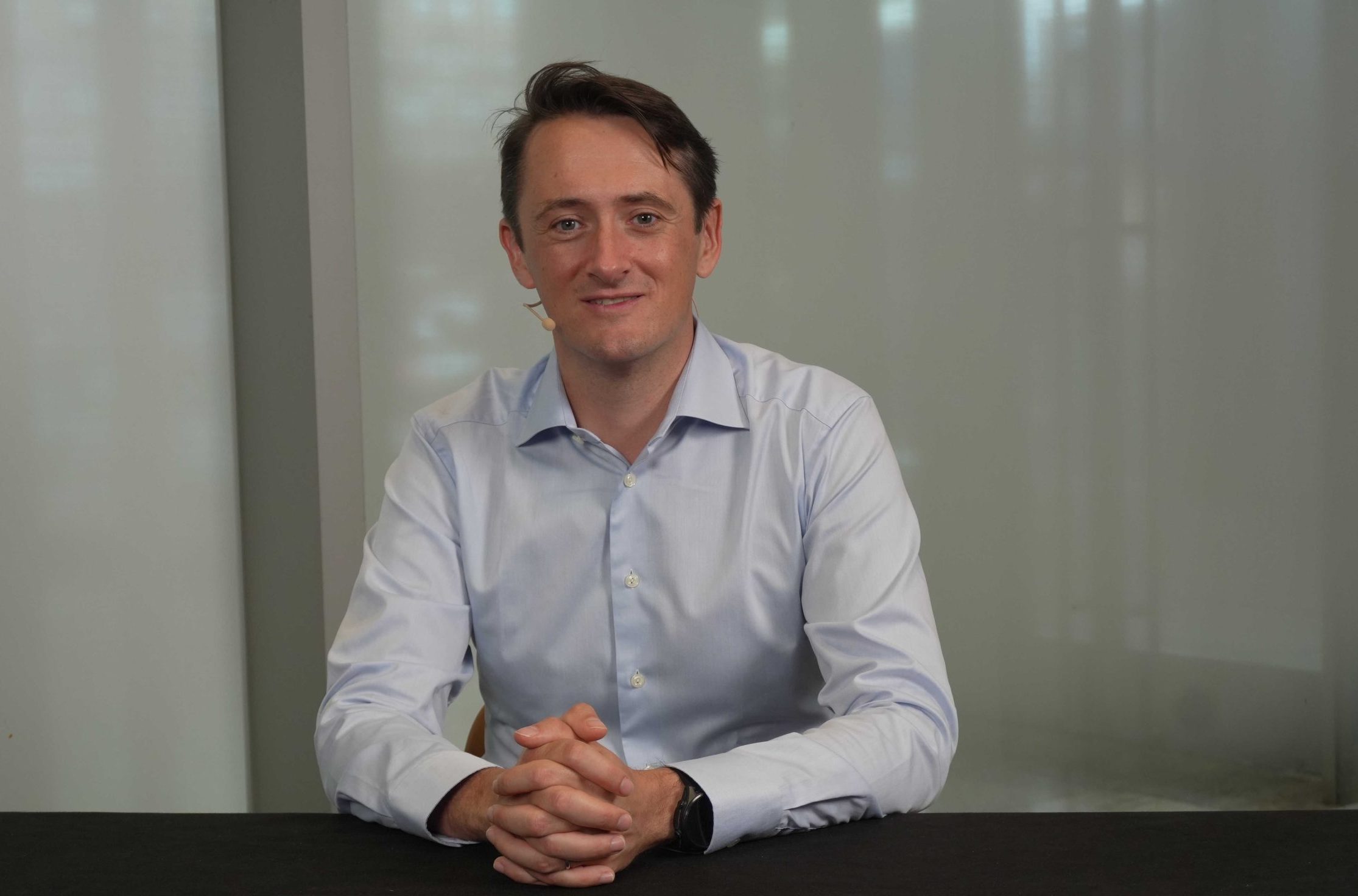

Collibra BV has launched a suite of runtime governance capabilities for enterprise AI agents, aimed at reducing manual oversight, rework, and risk. The tools—Live Map, Maestro, Guardian Agents, and Agent Contracts—address the growing need for real-time governance as autonomous agents take on more complex tasks across enterprise systems.
30 SEC SUMMARY
- Collibra BV has launched runtime governance capabilities for enterprise AI agents, including Live Map, Maestro, Guardian Agents, and Agent Contracts.
- These tools aim to reduce manual verification, rework, and risk in AI workloads, often referred to as the “hallucination tax.”
- Maestro automates up to 80% of governance tasks, enabling organizations to govern at the speed of AI.
- Guardian Agents and Agent Contracts enforce permitted behavior and block unauthorized actions based on data sensitivity and context.
- Collibra’s Knowledge Graph, built on Neo4j, improves token efficiency by curating reusable context from unstructured documents.
TABLE OF CONTENTS
- Collibra unveils runtime governance for AI agents
- How the new tools work
- The broader context
- What this means
- Key takeaways
- FAQ
- Sources
KEY HIGHLIGHTS
- Collibra BV has launched runtime governance capabilities for enterprise AI agents, including Live Map, Maestro, Guardian Agents, and Agent Contracts.
- Maestro automates up to 80% of governance tasks, helping organizations govern AI at scale and reduce manual oversight.
- Guardian Agents and Agent Contracts enforce permitted behavior based on data sensitivity, context, and risk, blocking unauthorized actions.
- Collibra’s Knowledge Graph, built on Neo4j, improves token efficiency by curating reusable context from unstructured documents.
Collibra unveils runtime governance for AI agents
Collibra BV has introduced runtime governance capabilities for enterprise AI agents, including Live Map, Maestro, Guardian Agents, and Agent Contracts. According to SiliconANGLE, these tools are designed to reduce manual verification, rework, and risk—collectively referred to as the “hallucination tax”—in AI workloads.
The launch comes as autonomous AI agents evolve from answering questions to taking actions across enterprise systems, such as updating databases or triggering workflows. SiliconANGLE reports that runtime governance is becoming critical to ensure these agents operate within defined boundaries.
Collibra’s approach focuses on two key areas: governing the business context agents receive and enforcing operational boundaries they must adhere to.
How the new tools work
Maestro, a core component of Collibra’s offering, automates governance tasks traditionally handled through manual stewardship. SiliconANGLE notes that it can reduce up to 80% of governance work, allowing organizations to scale AI workloads without proportional increases in oversight.
Guardian Agents and Agent Contracts work together to enforce permitted behavior. Agent Contracts define rules based on factors like data sensitivity, operating context, and risk tolerance. Guardian Agents then block unauthorized actions before they occur.
Live Map improves token efficiency by preparing reusable context from curated unstructured documents. This reduces the need for agents to reconstruct relationships with every query, streamlining operations.
Collibra’s Knowledge Graph, built on Neo4j’s graph technology, supports these capabilities by enabling traversal of relationships among enterprise assets. SiliconANGLE reports that while graphs are not a universal retrieval method, they play a key role in routing the right context to the right mechanism at the right time. Depending on the task, agents may also leverage vector stores, structured files, or semantic search.
The broader context
The launch aligns with a growing industry focus on runtime governance for autonomous AI agents. As agents gain the ability to operate independently, access tools, and retain memory, enterprises are prioritizing real-time oversight to mitigate risks. This trend was recently highlighted in Palo Alto Networks’ integration of its Prisma AIRS runtime security platform with Google Cloud’s Agent Gateway, which targets similar challenges.
The emphasis on knowledge graphs and structured data also reflects a shift toward more efficient AI orchestration. Unlike universal retrieval methods, graphs are being used to route context dynamically, improving both performance and accuracy.
What this means
LazyFounders analysis — our interpretation, not reported fact.
Collibra’s launch reflects a broader industry shift toward runtime governance for autonomous AI agents. As enterprises deploy agents that don’t just answer questions but also take action—like updating databases or triggering workflows—the risks of unauthorized or misaligned behavior grow.
The challenge isn’t just about securing AI; it’s about ensuring agents operate within dynamic boundaries defined by business context, data sensitivity, and risk tolerance. Tools like Maestro and Guardian Agents address this by automating governance tasks that were traditionally manual, reducing the operational friction and cost of scaling AI workloads.
For founders and operators, this highlights a key insight: AI governance isn’t just a compliance checkbox—it’s a competitive advantage. Companies that can govern AI agents efficiently will move faster, reduce costly errors, and build trust with customers and regulators. The focus on knowledge graphs as a context layer also underscores the importance of structured, relationship-aware data in making AI systems more reliable and efficient.
Key takeaways
- Collibra’s new runtime governance capabilities target the “hallucination tax”: manual verification, rework, and risk in AI workloads.
- Autonomous agents require governance not just for answers but for actions, as they interact with enterprise systems in real time.
- Maestro automates up to 80% of governance tasks, while Guardian Agents and Agent Contracts enforce permitted behavior.
- Collibra’s Knowledge Graph, built on Neo4j, improves token efficiency by curating reusable context from unstructured documents.
- Runtime governance is becoming a critical layer for enterprises scaling AI, alongside security and orchestration.
FAQ
What is runtime governance for AI agents?
Runtime governance refers to the real-time oversight and enforcement of rules for AI agents as they operate within enterprise systems. It ensures agents adhere to permitted behaviors, data sensitivity requirements, and risk thresholds while performing tasks.
How does Collibra’s Maestro automate governance?
Maestro automates up to 80% of governance tasks that were traditionally handled manually, such as verifying compliance, enforcing policies, and managing stewardship. This allows organizations to scale AI workloads without proportional increases in manual oversight.
What role do Guardian Agents and Agent Contracts play?
Agent Contracts define the permitted behavior for AI agents based on factors like data sensitivity, context, and risk. Guardian Agents enforce these contracts in real time, blocking unauthorized actions before they occur.
Why is Collibra using a Knowledge Graph for AI governance?
Collibra’s Knowledge Graph, built on Neo4j, enables the traversal of relationships among enterprise assets. This improves token efficiency by curating reusable context from unstructured documents, reducing the need for agents to reconstruct relationships with every query.
How does this launch compare to other AI governance solutions?
Unlike static compliance tools, Collibra’s runtime governance focuses on real-time enforcement of policies for autonomous agents. This aligns with broader industry trends, such as Palo Alto Networks’ integration with Google Cloud’s Agent Gateway, which also targets runtime security for AI agents.
Related on LazyFounders
Sources
- SiliconANGLE · 2026-09-25
Collibra brings runtime governance to enterprise AI agents
This story is an original summary drafted with AI by LazyFounders from the reporting listed above and checked by automated validation. Facts are attributed to their original publishers; sections marked as analysis are LazyFounders's. Where a source is in another language, facts were machine-translated and quotations are reported, not reproduced. Read the original coverage via the links, and see our AI policy and corrections policy.
Get the LazyFounder Brief
Startup, funding and AI news in a five-minute read. Join the early-access list.
