
AI Tools for Early Detection of Kidney Disease by IIT Madras and CMC Vellore
Discover how AI tools developed by IIT Madras and CMC Vellore aim to catch kidney disease earlier, improving treatment outcomes. Learn about the innovative technologies in 2026.
LazyFounders
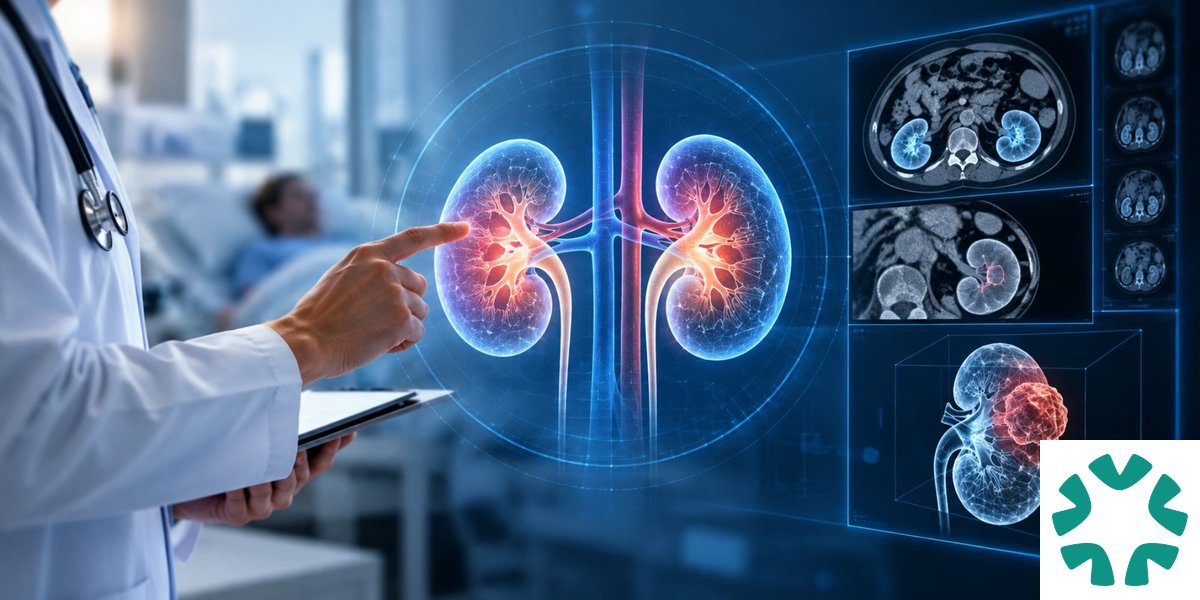

AI Tools for Early Detection of Kidney Disease by IIT Madras and CMC Vellore
30 SEC SUMMARY
In 2026, researchers from IIT Madras and CMC Vellore developed three AI-based technologies to detect kidney disease earlier. These tools include a risk prediction model, a deep learning system for CT scans, and a 3D imaging platform for tumor assessment.
TABLE OF CONTENTS
- Introduction
- AI-Based Risk Prediction Model
- Deep Learning System for CT Scans
- 3D Imaging Platform for Tumor Assessment
- Future Prospects
- Conclusion
- Call-to-Action
Introduction
In 2026, the collaboration between the Indian Institute of Technology Madras (IIT Madras) and Christian Medical College (CMC) Vellore has led to the development of groundbreaking AI tools aimed at early detection of kidney disease. This initiative targets the often late detection of kidney conditions, which significantly limits treatment options.
AI-Based Risk Prediction Model
The first tool is a machine learning model designed to predict an individual's risk of Chronic Kidney Disease (CKD). CKD often progresses without noticeable symptoms, making early detection crucial. By flagging high-risk patients earlier, this model can prompt timely testing and intervention, potentially preventing significant kidney function loss.
Deep Learning System for CT Scans
The second tool is a deep learning system trained on over 12,000 CT images. This system classifies kidneys as normal or identifies cysts, stones, and tumors from the scans. It serves as a second pair of eyes for radiologists and nephrologists, expediting the triage process and reducing the risk of missing subtle findings.
3D Imaging Platform for Tumor Assessment
The third tool is a 3D imaging platform that assesses kidney tumor volume and the extent of organ involvement. Surgeons and oncologists use this precise volumetric view to decide between removing the entire kidney or just the affected portion, thereby improving treatment precision.
Future Prospects
Beyond these three tools, the research aims to develop a kidney Digital Twin—a virtual, patient-specific model of the organ. This model could simulate how a condition or treatment might affect an individual, moving kidney care from population-level guidelines to personalized decisions based on a single patient's anatomy and disease history.
KEY HIGHLIGHTS
- AI tools developed by IIT Madras and CMC Vellore aim to detect kidney disease earlier.
- Three AI-based technologies: risk prediction model, deep learning system, and 3D imaging platform.
- The goal is to move kidney care from population-level guidelines to personalized decisions.
- Further validation is required before routine deployment.
Conclusion
The collaboration between IIT Madras and CMC Vellore represents a significant step forward in leveraging AI for early detection of kidney disease. These innovative tools have the potential to improve treatment outcomes by catching kidney disease at an earlier stage, where interventions can make a meaningful difference.
Call-to-Action
For more insights into the latest in AI and deeptech, visit blogy.in.
Sources
This story is an original summary and analysis written by LazyFounders from the reporting listed above. Facts are attributed to their original publishers; sections marked as analysis are LazyFounders's opinion. Where a source is in another language, facts were machine-translated and quotations are reported, not reproduced. Read the original coverage via the links.
