
AI-Powered Glasses for Visually Impaired: 2026 Innovation
Discover how AI-powered glasses developed by a Nigerian inventor in 2026 are revolutionizing navigation for the visually impaired.
LazyFounders

30 SEC SUMMARY
In 2026, a Nigerian inventor, Khalifa Aminu, is pioneering AI-powered glasses designed to help visually impaired individuals navigate their surroundings. These glasses use AI, sensors, and GPS to detect obstacles and provide audio guidance, potentially complementing existing mobility aids.
TABLE OF CONTENTS
- Introduction
- The Innovation
- How It Works
- Potential Impact
- Future Developments
- Key Highlights
- FAQ
- Conclusion
- Call-to-Action
KEY HIGHLIGHTS
- AI-powered glasses developed by Khalifa Aminu in 2026
- Uses AI, sensors, and GPS for obstacle detection and navigation
- Potential to complement existing mobility aids
- Future plans include voice interaction and broader availability
Introduction
In 2026, technology continues to evolve, bringing innovative solutions to everyday challenges. One such groundbreaking innovation comes from Nigeria, where inventor Khalifa Aminu is developing AI-powered glasses to assist visually impaired individuals in navigating their surroundings.
The Innovation
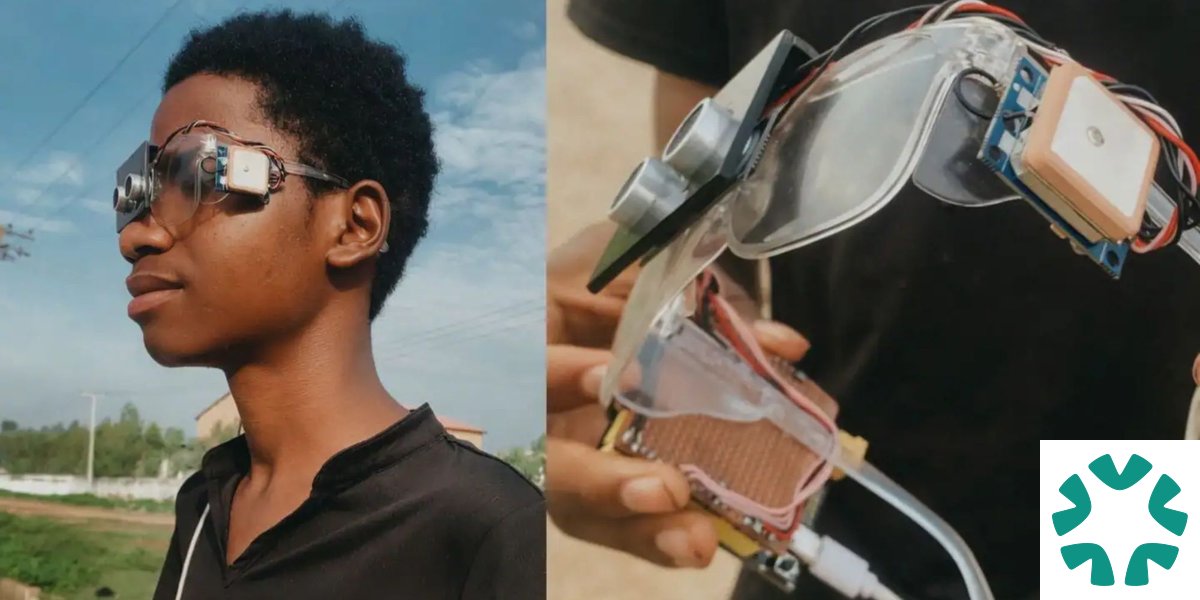
Aminu's project focuses on practical assistance rather than entertainment, setting it apart from many consumer smart glasses. The glasses are designed to help people with visual impairments by turning what the camera sees into audio guidance.
The device combines a camera, AI, and voice feedback in a wearable form. This combination aims to make the world easier to navigate for those who cannot see. Aminu's invention grew from observing the difficulties faced by people in his community, leading to the development of a prototype that uses ultrasonic and infrared sensors to trigger alerts.
How It Works
The AI-powered glasses use a built-in camera to detect objects in front of the wearer. The AI processes the visual data and provides timely audio cues to help avoid obstacles. Built-in GPS ensures users know their location, while a tracking feature can share a lost wearer’s location with a designated caregiver via WhatsApp or email.
The glasses also include a version that adds voice interaction, allowing the glasses to “speak” to the user about their surroundings. This feature aims to provide more detailed and accessible information to the user.
Potential Impact
If proven reliable in real-world conditions, these voice-enabled AI glasses could complement existing tools by turning visual scenes into useful audio, supporting safer, more independent travel for blind users. Features such as location sharing may also reassure families and caregivers, while the use of accessible components could keep future costs down and broaden availability.
Future Developments
Aminu is still developing the technology and has not yet validated it to replace a white cane, guide, or other established mobility aids in all environments. However, further testing and iteration are underway to refine the product.
FAQ
**Q: Who developed the AI-powered glasses for the visually impaired? A: Khalifa Aminu, a Nigerian inventor.
**Q: What features do these glasses have? A: The glasses use AI, sensors, and GPS to detect obstacles and provide audio guidance. They also include a tracking feature to share the wearer’s location with caregivers.
**Q: What is the potential impact of these glasses? A: These glasses could complement existing mobility aids, supporting safer, more independent travel for blind users and reassuring families and caregivers.
Conclusion
In 2026, Khalifa Aminu’s AI-powered glasses represent a significant step forward in helping visually impaired individuals navigate their surroundings more independently. With ongoing development and testing, these innovative glasses have the potential to make a substantial impact on the lives of many.
Call-to-Action
Start your day with impactful startup stories and concise news! Subscribe to our daily newsletter at blogy.in to stay updated on the latest innovations and breakthroughs in technology.
Sources
This story is an original summary and analysis written by LazyFounders from the reporting listed above. Facts are attributed to their original publishers; sections marked as analysis are LazyFounders's opinion. Where a source is in another language, facts were machine-translated and quotations are reported, not reproduced. Read the original coverage via the links.