
Amazon to invest billions in Indiana nuclear project with X-energy for data centers
Amazon is backing a nuclear energy project in Indiana involving 12 small modular reactors developed by X-energy, aiming to power its data centers and feed electricity into the regional grid. The project, part of a broader push for clean energy, could deliver 960 megawatts but faces regulatory and construction hurdles.

Editor, Lazyfounder
30 SEC SUMMARY
- Amazon is investing billions in a nuclear energy project in Indiana with X-energy, involving 12 small modular reactors.
- The project aims to deliver 960 megawatts to Indiana’s grid and power Amazon’s data centers.
- Regulatory approvals and construction challenges could delay operations until the mid-2030s.
- X-energy’s Xe-100 reactors use helium cooling and TRISO fuel, designed for safety and temperature resistance.
KEY HIGHLIGHTS
- Amazon is investing in 12 small modular reactors from X-energy in Indiana, with a potential output of 960 megawatts.
- The project is part of Amazon’s broader goal to add over 5 gigawatts of nuclear capacity in the U.S. by 2039.
- Amazon led a $700 million funding round for X-energy in 2024 to support reactor development and fuel production.
- The Indiana facility will use X-energy’s Xe-100 reactors, which rely on helium cooling and TRISO fuel technology.
- Regulatory approvals and construction timelines remain uncertain, with operations potentially starting in the mid-2030s.
Project scope and goals
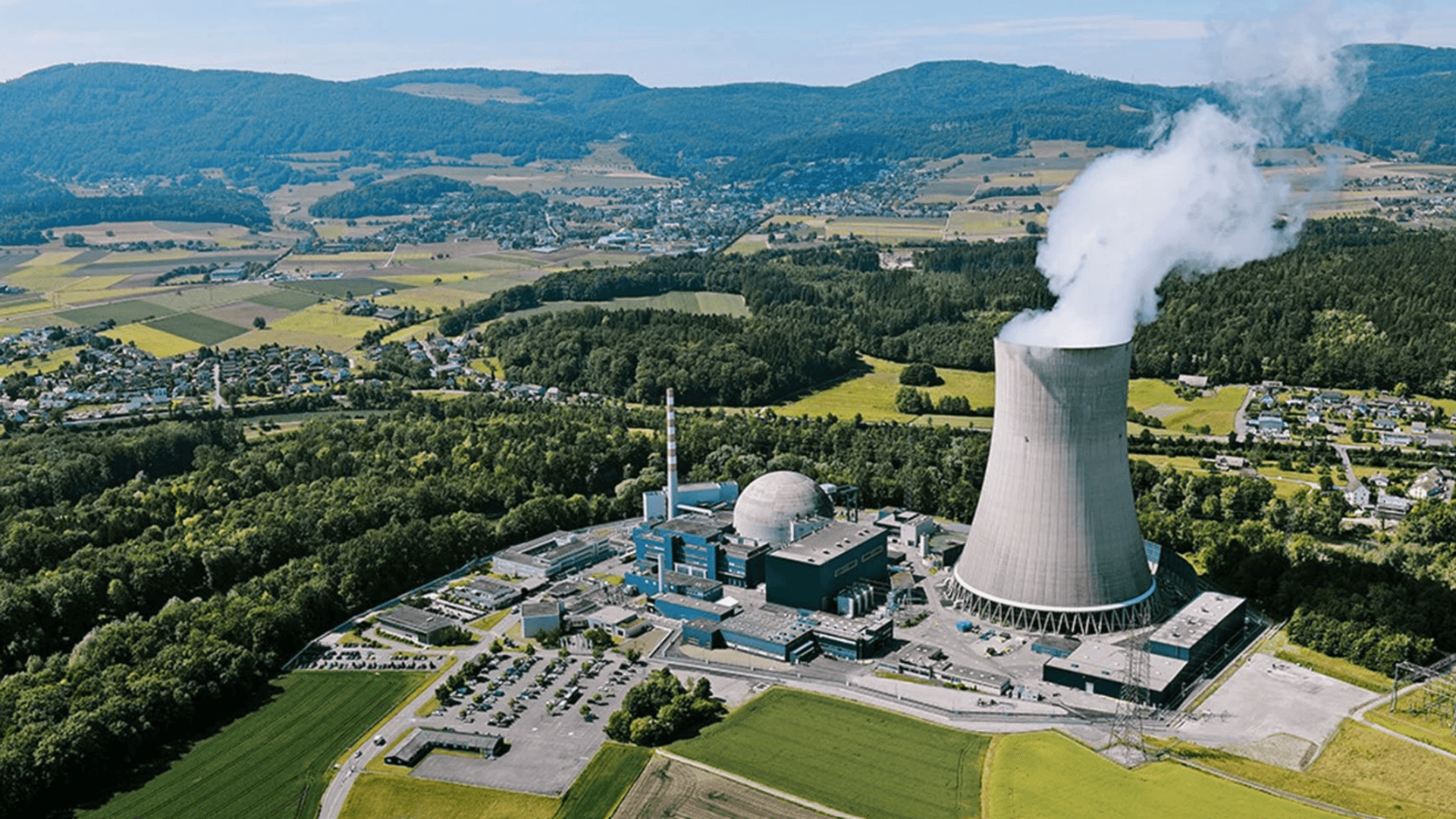
Amazon is investing in a nuclear energy project in Sullivan County, Indiana, involving 12 small modular reactors from X-energy. The facility, proposed for the site of the former Breed coal generating station, aims to deliver 960 megawatts to Indiana’s electricity grid. The project is designed to support Amazon’s expanding data center operations while contributing to the regional power supply.
The reactors, known as Xe-100, are designed to generate 80 megawatts each using helium cooling and TRISO (tristructural isotropic) fuel. TRISO fuel consists of uranium particles coated in layers of carbon and ceramics, making it resistant to extreme temperatures and reducing reliance on active safety systems during accidents.
Funding and regulatory challenges
Amazon has not disclosed the exact investment for the Indiana project but confirmed it is "investing billions in nuclear energy projects" overall. The company led a $700 million funding round for X-energy in 2024, supporting reactor development, fuel production, and licensing efforts. Part of this funding went toward a TRISO-X fuel manufacturing facility in Oak Ridge, Tennessee.
Regulatory approvals remain a significant hurdle. While X-energy has made progress toward a construction permit for a separate project in Texas, that approval does not extend to the Indiana proposal. The Indiana project’s scale—12 reactors compared to four in Texas—could complicate coordination and delivery. Amazon’s timeline for the facility to become operational is provisionally set for the mid-2030s.
Broader implications for clean energy
The Indiana project is part of Amazon’s larger goal to introduce over 5 gigawatts of nuclear generating capacity in the U.S. by 2039. The company’s partnership with X-energy reflects a growing trend among tech giants to secure reliable, low-carbon energy sources for energy-intensive operations like data centers.
Amazon’s commitment to purchasing electricity from the proposed facility provides X-energy with a guaranteed customer, potentially accelerating regulatory and development processes. However, the project’s success hinges on navigating uncertain timelines and regulatory requirements.
What this means
Lazyfounder analysis — our interpretation, not reported fact.
Amazon’s investment in X-energy’s Indiana project signals a strategic bet on nuclear energy as a scalable, low-carbon solution for powering data centers and stabilizing the grid. For founders and operators in the energy and technology sectors, this move underscores the rising demand for reliable, high-capacity clean energy sources—especially as data center expansions strain existing infrastructure.
The project’s reliance on small modular reactors and TRISO fuel also highlights the potential of next-generation nuclear technology to address safety and efficiency concerns. However, the regulatory and construction risks demonstrate the complexities of deploying these solutions at scale. Operators considering similar projects should weigh the long-term benefits against the uncertainties of approvals and timelines.
Key takeaways
- Amazon’s $1B+ investment in Indiana nuclear reactors could set a precedent for tech companies seeking reliable, low-carbon energy for data centers.
- Regulatory approvals and construction timelines remain major risks, with operations unlikely before the mid-2030s.
- X-energy’s Xe-100 reactors and TRISO fuel represent emerging nuclear technologies with potential for safer, more efficient energy production.
- The project aligns with Amazon’s broader goal of adding 5+ gigawatts of nuclear capacity by 2039, reflecting a shift toward long-term clean energy solutions.
Related on Lazyfounder
Sources
- TechRadar · 2026-10-22
Amazon is spending over $1 billion on a new nuclear energy project to power its next data centers — but will it really live up to the test?
This story is an original summary drafted with AI by Lazyfounder from the reporting listed above and checked by automated validation. Facts are attributed to their original publishers; sections marked as analysis are Lazyfounder's. Where a source is in another language, facts were machine-translated and quotations are reported, not reproduced. Read the original coverage via the links, and see our AI policy and corrections policy.

About the author
Editor, Lazyfounder
Tarun Mottlia edits LazyFounders, covering Indian startups, funding rounds, AI and product launches. Every story on the site is AI-assisted and checked against its cited sources before publication.
More stories by Tarun MottliaGet the LazyFounder Brief
Startup, funding and AI news in a five-minute read. Join the early-access list.
