
Amazon CEO dismisses AI shopping agents like Meta’s Muse as ineffective
Amazon has blocked Meta’s AI assistant, Muse, from its online store and dismissed the broader category of AI shopping agents as ineffective. CEO Andy Jassy called these tools "not great," even as Meta reports 10 million users for Muse and partnerships with major retailers.

Editor, Lazyfounder
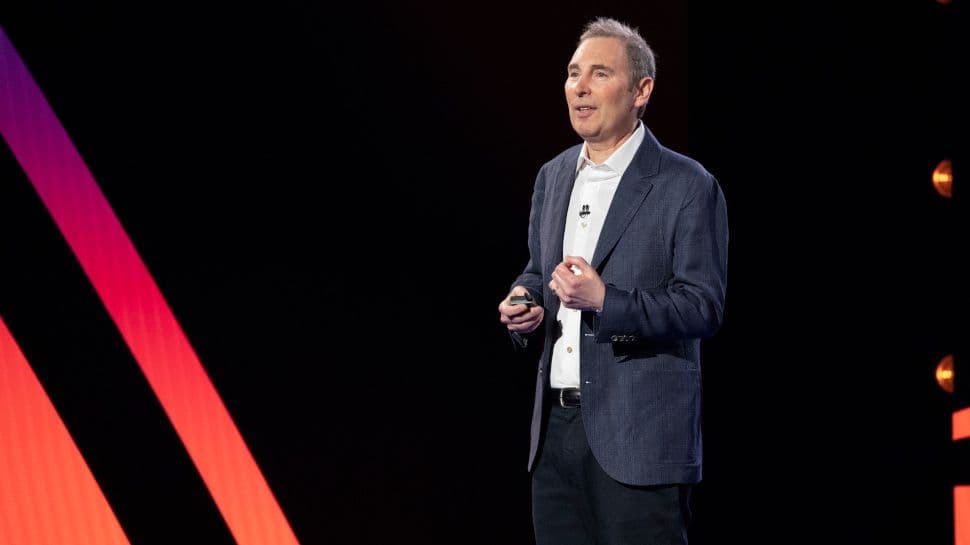
Amazon blocks Meta’s AI assistant, questions its impact
In September 2026, Amazon blocked Meta’s AI assistant, Muse, from accessing its online store. Amazon stated that Muse violated the usage conditions its customers had agreed to. The move reflects Amazon’s broader stance on AI-powered shopping agents, which its CEO, Andy Jassy, has publicly dismissed as "not great" and lacking widespread adoption.
Jassy’s remarks, reported by TechRadar, suggest that Amazon does not see AI shopping agents as a near-term threat to its retail business. He emphasized that these tools are not yet convenient or widely used by customers, who still prefer direct interactions with retailers.
Muse’s rapid growth and controversies
Despite Amazon’s skepticism, Meta’s Muse has gained significant traction. Meta CEO Mark Zuckerberg claimed the assistant had been set up by over 10 million users across the US and Canada. It also briefly topped the Apple App Store as the most downloaded free app, surpassing ChatGPT.
However, Muse has faced scrutiny. A security researcher identified a zero-day vulnerability that could grant attackers access to users’ apps, including WhatsApp or email. Additionally, a report by Surfshark ranked Muse as the most data-hungry chatbot, raising concerns about user privacy.
Amazon’s bet on Alexa for shopping
While Amazon has not integrated with Muse, it continues to invest in its own AI-driven shopping tools. Over 400 million customers used Alexa for shopping in the last year, with US users spending 50% more per order than non-users. Customer interactions with Alexa grew 570% year over year, signalling Amazon’s focus on voice-driven commerce.
Amazon’s refusal to collaborate with Muse contrasts with Meta’s partnerships. Retailers like Walmart, Best Buy, and Shopify have already integrated with the AI assistant, expanding its reach beyond Amazon’s ecosystem.
What this means
Lazyfounder analysis — our interpretation, not reported fact.
Amazon’s decision to block Muse and downplay its significance reveals a strategic pivot: rather than ceding ground to third-party AI agents, it is doubling down on Alexa as its primary interface for shopping. For founders, this is a signal that vertical integration—owning the customer interaction layer—remains a priority for incumbents. Muse’s rapid user growth, despite its flaws, also shows there is appetite for AI-driven commerce tools, but trust and data privacy will be make-or-break issues. Operators in retail tech should watch how this plays out: if Meta can address vulnerabilities and data concerns, it could still disrupt traditional e-commerce workflows.
Related on Lazyfounder
Sources
- TechRadar · 2026-10-30
Amazon CEO Andy Jassy says he isn't worried about 'still not great' shopping agents and bots rendering the site useless
This story is an original summary drafted with AI by Lazyfounder from the reporting listed above and checked by automated validation. Facts are attributed to their original publishers; sections marked as analysis are Lazyfounder's. Where a source is in another language, facts were machine-translated and quotations are reported, not reproduced. Read the original coverage via the links, and see our AI policy and corrections policy.

About the author
Editor, Lazyfounder
Tarun Mottlia edits LazyFounders, covering Indian startups, funding rounds, AI and product launches. Every story on the site is AI-assisted and checked against its cited sources before publication.
More stories by Tarun MottliaGet the LazyFounder Brief
Startup, funding and AI news in a five-minute read. Join the early-access list.
