
How $7.5 billion in Nvidia chips allegedly landed in China
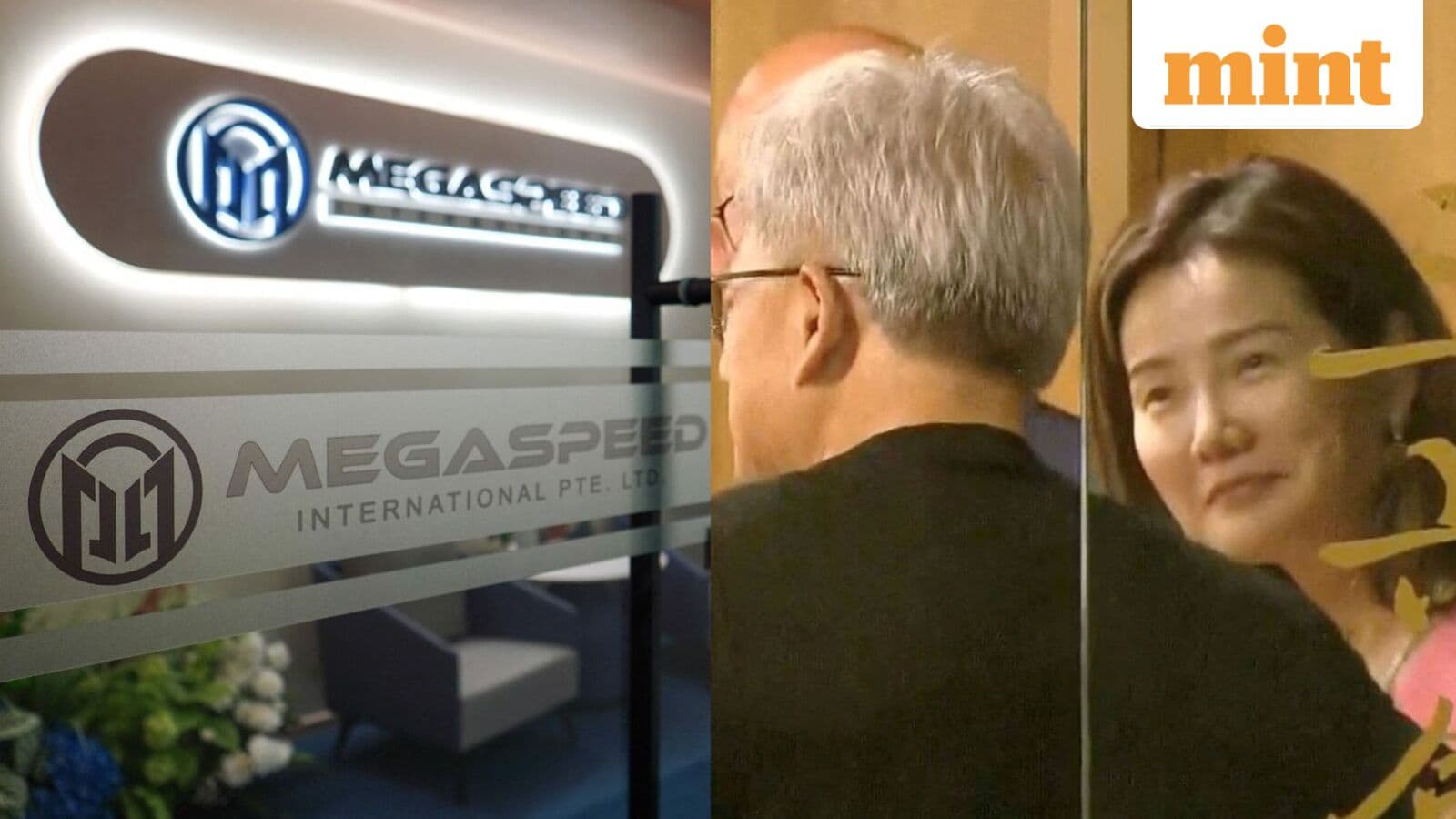
A former Megaspeed executive, Alice Huang, is accused of funneling 240,000 Nvidia chips worth $7.5 billion to China, sidestepping U.S. export restrictions. The chips reportedly passed through a network of shell companies linked to Huang’s associates, drawing investigations from U.S. and Malaysian authorities. Nvidia’s CEO, Jensen Huang, has acknowledged an extramarital affair with Alice Huang, adding a personal dimension to the unfolding scandal.

Editor, Lazyfounder
30 SEC SUMMARY
- A former Megaspeed executive, Alice Huang, is accused of rerouting 240,000 Nvidia chips worth $7.5 billion to China, bypassing U.S. export controls.
- The scheme allegedly involved a network of companies, including Shanghai Century Litong and Speedmatrix, linked to Huang’s associates.
- U.S. and Malaysian authorities are investigating after chips were found boxed but unused in a Malaysian data center.
- Malaysian customs seized $12.1 million worth of smuggled AI chips in October 2026, declared falsely as electronic components.
- Nvidia’s CEO, Jensen Huang, admitted to an extramarital affair with Alice Huang, prompting an internal investigation.
TABLE OF CONTENTS
KEY HIGHLIGHTS
- Alice Huang, former Megaspeed managing director, allegedly facilitated the movement of 240,000 Nvidia chips worth $7.5 billion to China.
- The chips were reportedly rerouted through companies like Shanghai Century Litong and Speedmatrix, linked to Huang’s associates.
- U.S. Commerce Department investigated a Malaysian data center in 2024 after finding Nvidia chips still boxed, not installed.
- Malaysian customs seized $12.11 million worth of smuggled AI chips at Kuala Lumpur airport in October 2026.
- Nvidia’s CEO, Jensen Huang, admitted to an extramarital affair with Alice Huang, prompting a board-led investigation.
How the alleged smuggling network operated
Alice Huang, former managing director of Singapore-based Megaspeed, stands accused of orchestrating the transfer of 240,000 Nvidia chips worth $7.5 billion to China. The chips—many subject to U.S. export restrictions—were allegedly funneled through a web of companies tied to her associates, including Shanghai Century Litong and Speedmatrix.
Huang’s ties to Nvidia CEO Jensen Huang, whom she reportedly had an extramarital affair with, may have helped secure the chips. Jensen Huang has admitted to the relationship, which triggered an internal investigation at Nvidia in early 2024.
The companies at the center of the scheme
Megaspeed, a Singapore-based company spun off from Chinese game developer 7Road Holdings, became one of Nvidia’s largest customers in Southeast Asia in 2023. At the time, it was part of Nvidia’s Partner Network, a credential that lent it legitimacy. Investigators now suspect it was a front for buying chips destined for China.
Shanghai Century Litong, founded in June 2023 by an associate of Huang’s sister, became an Nvidia preferred cloud partner just four months later—weeks after the U.S. banned sales of high-end AI chips to China. Speedmatrix, a Malaysian data processing firm with direct links to Megaspeed, reportedly handled $2 billion worth of the chips.
Between 2023 and 2025, Megaspeed and its affiliates imported an estimated $4.6 billion worth of AI chips, according to internal records reviewed by Mint.
Authorities tighten the net
Suspicions first surfaced in 2024, when a U.S. Commerce Department official visited a Malaysian data center owned by Megaspeed. Instead of finding servers humming with Nvidia chips, inspectors discovered thousands of them still in boxes—suggesting they were never meant to be used there.
Malaysian customs dealt another blow in October 2026. Authorities at Kuala Lumpur International Airport seized $12.11 million worth of AI chips falsely declared as generic electronic components. The shipment, bound for re-export to another Asian country, lacked the required trade permits. Customs Director Aspalila Ag Tuah told reporters the chips originated from an unnamed Asian nation and were destined for a third.
Both investigations point to a pattern: chips acquired under the guise of legitimate business, then rerouted to bypass export controls.
Nvidia’s reckoning: from affair to congressional questions
The scandal burst into public view in March 2024, when Lazyfounder revealed that Nvidia’s board had launched an independent investigation into CEO Jensen Huang. The probe, led by former U.S. Attorney Joon Kim, centered on whether Huang’s affair with Alice Huang had exposed the company to foreign intelligence influence. Nvidia later stated no evidence emerged that any secrets were compromised.
By April 2024, Jensen Huang had hired Risa Heller, a crisis PR specialist, as scrutiny over the company’s $4.6 billion in sales to Megaspeed’s affiliates intensified. Lawmakers soon pressed Nvidia on whether the deals complied with U.S. export laws.
What this means
Lazyfounder analysis — our interpretation, not reported fact.
This case shows how personal relationships and lax due diligence can undermine national security and corporate compliance. Companies selling restricted technology must dig deeper into customer networks—not just names on paperwork—to avoid becoming conduits for smuggling.
Key takeaways
- Founders must vet not just direct customers but also the networks behind them, especially in industries subject to export controls.
- Even trusted partners can exploit legitimate channels for illicit rerouting, as seen with the unused chips in Malaysia.
- Personal relationships can create blind spots in compliance, risking legal and reputational damage.
Related on Lazyfounder
Sources
- Mint (Technology) · 2026-11-11
Alice Huang used her relationship with Jensen Huang to move 240,000 Nvidia chips worth $7.5 billion to China: Report
This story is an original summary drafted with AI by Lazyfounder from the reporting listed above and checked by automated validation. Facts are attributed to their original publishers; sections marked as analysis are Lazyfounder's. Where a source is in another language, facts were machine-translated and quotations are reported, not reproduced. Read the original coverage via the links, and see our AI policy and corrections policy.

About the author
Editor, Lazyfounder
Tarun Mottlia edits LazyFounders, covering Indian startups, funding rounds, AI and product launches. Every story on the site is AI-assisted and checked against its cited sources before publication.
More stories by Tarun MottliaGet the LazyFounder Brief
Startup, funding and AI news in a five-minute read. Join the early-access list.
