
Nvidia CEO admits affair with exec accused of spying for China
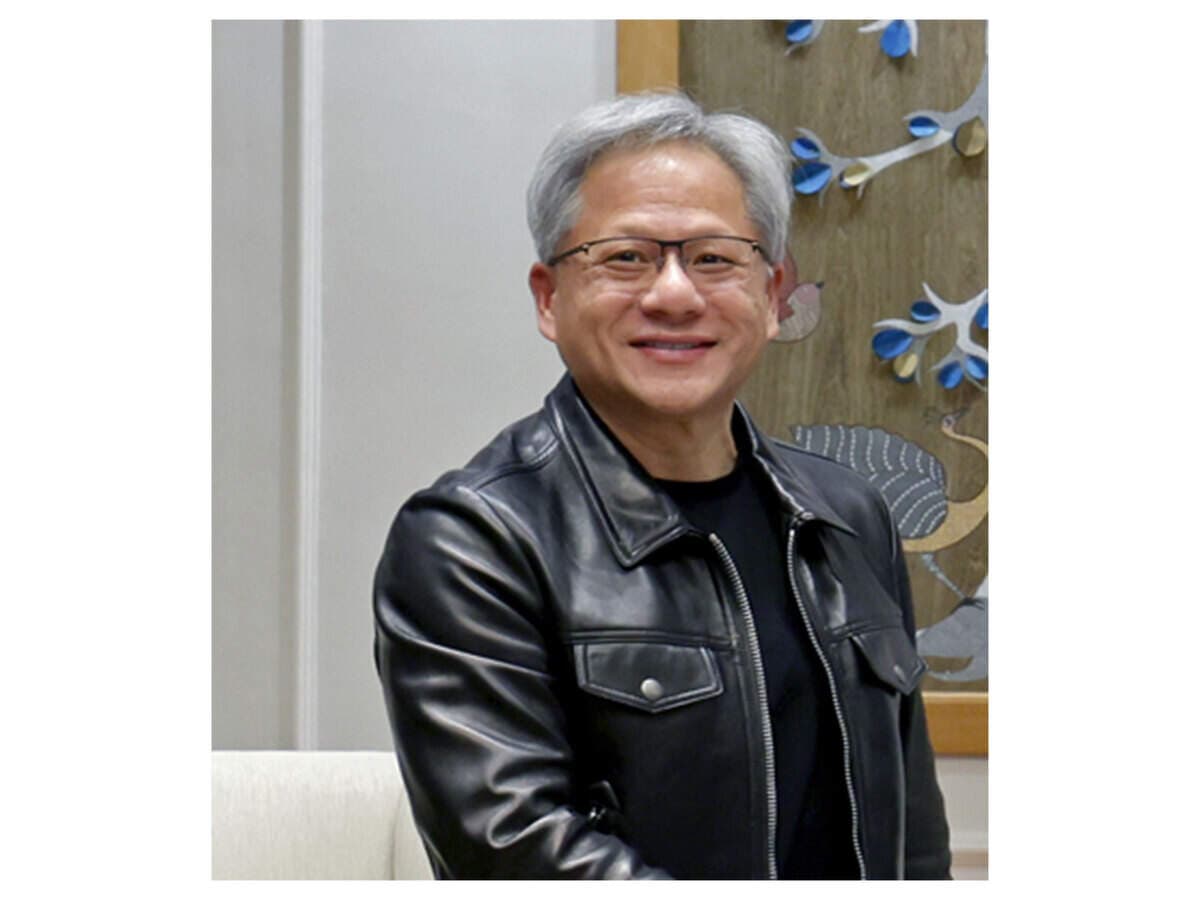
Nvidia CEO Jensen Huang admitted to an affair with Alice Huang, a Singapore-based executive accused of spying for China’s Ministry of State Security. US intelligence believes she was recruited to gather AI technology secrets and influence Nvidia’s chip export decisions. Congress wants Huang to explain his ties to her, while Nvidia insists no US or company secrets were compromised.

Editor, Lazyfounder
30 SEC SUMMARY
- Nvidia CEO Jensen Huang admitted to an affair with Alice Huang, a Singapore executive accused of spying for China’s Ministry of State Security.
- US intelligence believes she was recruited to gather AI technology secrets and influence Nvidia’s export decisions.
- Three House Republican chairs demanded a closed-door briefing about Huang’s interactions with her and Nvidia’s security protocols.
- Nvidia’s board launched an independent investigation but said no US or company secrets were compromised.
- Huang lobbied the Trump administration to ease restrictions on AI chip sales to China, securing a deal to sell H200 chips there in 2025.
TABLE OF CONTENTS
- US intelligence ties Huang’s affair to Chinese espionage
- Congress demands answers from Huang
- Nvidia investigates, denies security breach
- Lobbying for China chip sales under scrutiny
- Investors nervous as stock drops 21%
- China calls allegations a smear campaign
- Trump’s AI rebrand and Huang’s Mar-a-Lago meeting
- Export controls struggle to keep up
- What this means
- Key takeaways
- Sources
KEY HIGHLIGHTS
- Jensen Huang admitted to an extramarital affair with Alice Huang, a Singapore-based executive accused of spying for China’s Ministry of State Security.
- Three House Republican committee chairs requested a closed-door briefing with Huang about his interactions with Alice Huang and Nvidia’s security protocols.
- Nvidia’s board launched an independent investigation but stated it has no reason to believe US national security or company secrets were compromised.
- Huang successfully lobbied the Trump administration to ease restrictions, allowing Nvidia to sell H200 AI chips to China in 2025.
- Nvidia denied sharing classified information with customers and dismissed allegations as baseless.
- China’s Ministry of Foreign Affairs called the accusations a "smear campaign" against Beijing.
US intelligence ties Huang’s affair to Chinese espionage
Jensen Huang, Nvidia’s CEO, admitted to having an affair with Alice Huang, a senior executive at Singapore-based Megaspeed. US intelligence officials say Alice Huang is a Chinese intelligence asset tasked with collecting commercial secrets for Beijing. They also believe the relationship was part of a broader Chinese effort to obtain US AI technology secrets and influence Nvidia’s decisions on chip exports to China.
Congress demands answers from Huang
House Republican chairs Brian Mast (Foreign Affairs), John Moolenaar (Select Committee on China), and Eric Crawford (Intelligence) asked Huang for a closed-door briefing. They want him to explain his interactions with Alice Huang and review Nvidia’s security protocols. US intelligence agencies monitored her for over a year as part of an alleged Chinese operation targeting Huang.
Nvidia investigates, denies security breach
Nvidia’s board started an independent investigation into the allegations. It said there is no evidence US national security or Nvidia’s confidential information was compromised. The board called US security "paramount" to the company’s interests. Huang agreed to cooperate fully and apologized to his family and colleagues.
John Rizzo, Nvidia’s spokesperson, told The New York Times that Alice Huang was treated like any other business contact. He added that Nvidia never shares classified information with customers. Rizzo also pointed out that Chinese authorities have long promoted Huawei at Nvidia’s expense in local data centers.
Lobbying for China chip sales under scrutiny
The scandal erupted as Nvidia lobbies to relax US export curbs on advanced AI chips. Huang has repeatedly argued that American firms should stay competitive in China. In 2025, he persuaded President Trump to allow Nvidia to sell H200 chips—a less powerful but still advanced processor—to China. The deal gave the US government a 25% share of the revenue.
Investors nervous as stock drops 21%
Nvidia’s stock dropped 21% in the past month, shrinking its market value to $4.5 trillion from a peak of $5.7 trillion in October 2026. Analyst Dan Ives at Yorkville Ives warned that the scandal adds uncertainty to Nvidia’s leadership and global strategy. While Huang remains CEO, the outcome of the investigation could further shake investor trust.
The timing is critical: Nvidia’s GPUs dominate global AI infrastructure, giving the US a strategic edge over rivals like China. The allegations have raised concerns about corporate security and the risks of foreign intelligence operations targeting US tech executives.
China calls allegations a smear campaign
China’s Ministry of Foreign Affairs dismissed the allegations as baseless. Spokesperson Guo Jiakun called them a "smear campaign" against Beijing. The Chinese embassy in Washington repeated the denial, saying the reports were politically motivated.
Trump’s AI rebrand and Huang’s Mar-a-Lago meeting
In September 2026, the Trump administration rebranded artificial intelligence as "Super Intelligence," a move seen as a loyalty test for tech companies and federal agencies. Huang met Trump at Mar-a-Lago that year to argue for keeping business ties with Beijing. The meeting took place as the administration debated a full ban on Nvidia chip exports to China.
Export controls struggle to keep up
The case echoes earlier reports that Huawei procured memory chips through black-market channels for its Ascend 960DT AI processor. Both cases highlight the difficulty of enforcing export controls in a global supply chain. Megaspeed, the Singapore firm where Alice Huang works, is accused of routing Nvidia chips to China through data centers, bypassing US restrictions.
What this means
Lazyfounder analysis — our interpretation, not reported fact.
The scandal ties Nvidia’s leadership directly to US-China technology rivalry, risking Huang’s influence in Washington and pressuring Nvidia to tighten internal security.
Key takeaways
- Nvidia’s board is investigating but insists no national security secrets were leaked.
- Congress wants answers about whether Huang’s relationship exposed sensitive US technology.
- Nvidia’s stock fell 21% in a month, showing investors are nervous about leadership risks.
Related on Lazyfounder
Sources
- ET Tech (The Economic Times) · 2026-11-07
Spy targeting Nvidia CEO was alleged China intelligence service recruit: NYT - Mint (Technology) · 2026-11-07
US intelligence believes Nvidia CEO Jensen Huang had relationship with 'Chinese spy': What we know - SiliconANGLE · 2026-11-08
Nvidia CEO Jensen Huang admits to having extramarital affair with suspected Chinese spy - YourStory · 2026-11-09
Nvidia CEO Jensen Huang admits affair amid Chinese spying allegations; board launches probe - ET Tech (The Economic Times) · 2026-11-09
China dismisses spy plot claim involving Nvidia CEO Jensen Huang as smear campaign
This story is an original summary drafted with AI by Lazyfounder from the reporting listed above and checked by automated validation. Facts are attributed to their original publishers; sections marked as analysis are Lazyfounder's. Where a source is in another language, facts were machine-translated and quotations are reported, not reproduced. Read the original coverage via the links, and see our AI policy and corrections policy.

About the author
Editor, Lazyfounder
Tarun Mottlia edits LazyFounders, covering Indian startups, funding rounds, AI and product launches. Every story on the site is AI-assisted and checked against its cited sources before publication.
More stories by Tarun MottliaGet the LazyFounder Brief
Startup, funding and AI news in a five-minute read. Join the early-access list.
