
ACLU Warns Against AI-Powered License Plate Readers Targeting Drivers for Suspicious Patterns
The American Civil Liberties Union (ACLU) is warning about the growing use of AI-powered license plate readers (ALPRs) by U.S. law enforcement to pull over drivers for "suspicious" driving patterns, even without evidence of a specific crime. This practice has drawn criticism from privacy advocates and led to legal challenges, including suspensions of contracts with ALPR providers.

Editor, Lazyfounder
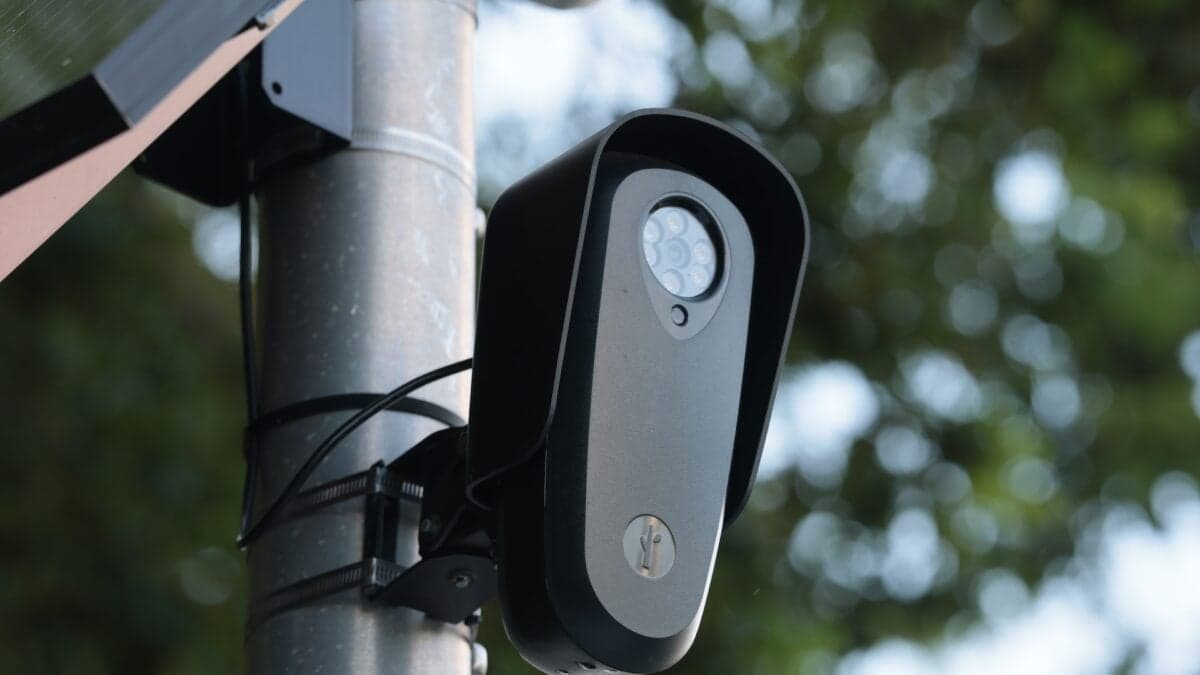
How ALPRs Are Being Used to Flag Drivers
Law enforcement agencies across the U.S. are deploying AI-powered license plate readers (ALPRs) to monitor drivers for behaviors deemed "suspicious," such as spending too much time in the left lane or making repeated trips between states. The ACLU has highlighted cases like that of Grace Knowles, who was pulled over by an FBI agent during a road trip. The agent claimed her license plate was flagged for "suspicious travel patterns" linked to human and drug trafficking, though no evidence of a crime was presented.
Companies like Flock Safety and Axon sell ALPR systems that scan license plates, capturing vehicle information along with time and location data. These systems are increasingly used by agencies, including the FBI and U.S. Customs and Border Protection, to track movement patterns without warrants or reasonable suspicion.
Legal and Public Backlash Against ALPRs
The use of ALPRs has faced growing opposition. A YouGov survey found that 46% of respondents opposed law enforcement using this technology in their communities, citing privacy concerns. Legal challenges have emerged, including a federal jury in Texas that sided with a man who sued over an "unconstitutional traffic stop scheme" enabled by AI-powered ALPRs. The man was pulled over after his license plate was flagged for a round-trip drive between Houston and Carrizo Springs, with law enforcement citing it as a pattern linked to marijuana trafficking.
Some agencies are reconsidering their use of ALPRs. The Los Angeles Police Department has suspended or ended contracts with Flock Safety, reflecting broader skepticism about the technology’s implications for civil liberties. Critics argue that ALPRs collect data on millions of people who are not suspected of crimes, raising questions about Fourth Amendment protections against unreasonable searches.
What This Means for Surveillance Technology Providers
Flock Safety has developed an AI-powered investigative tool capable of identifying drivers and tracking vehicles based solely on movement patterns. While marketed as a tool for public safety, its use has drawn scrutiny from organizations like the ACLU. Jay Stanley, a senior policy analyst at the ACLU, has warned that such technologies risk turning routine driving behaviors into grounds for police stops, disproportionately affecting innocent individuals.
What this means
Lazyfounder analysis — our interpretation, not reported fact.
This story underscores the tension between technological innovation in law enforcement and the erosion of privacy rights. For founders and operators in the AI and surveillance technology sectors, the backlash against ALPRs signals a need to anticipate regulatory and legal challenges, particularly when products are used in ways that blur the line between public safety and invasive monitoring. The suspensions of contracts by agencies like the LAPD and the legal victories against ALPR-enabled stops suggest that courts and communities are increasingly wary of unchecked surveillance. Companies in this space may face pressure to demonstrate transparency, ethical use, and compliance with constitutional protections—or risk losing public trust and government partnerships.
Related on Lazyfounder
Sources
- Gizmodo · 2026-10-27
Police Are Using AI to Pull Over Drivers for ‘Suspicious’ Behavior
This story is an original summary drafted with AI by Lazyfounder from the reporting listed above and checked by automated validation. Facts are attributed to their original publishers; sections marked as analysis are Lazyfounder's. Where a source is in another language, facts were machine-translated and quotations are reported, not reproduced. Read the original coverage via the links, and see our AI policy and corrections policy.

About the author
Editor, Lazyfounder
Tarun Mottlia edits LazyFounders, covering Indian startups, funding rounds, AI and product launches. Every story on the site is AI-assisted and checked against its cited sources before publication.
More stories by Tarun MottliaGet the LazyFounder Brief
Startup, funding and AI news in a five-minute read. Join the early-access list.
