
Study Warns Wilkes Subglacial Basin Could Drive Major Sea-Level Rise
A new study warns that the Wilkes Subglacial Basin in East Antarctica, a region with little direct research, could become a major contributor to global sea-level rise. The basin holds enough ice to raise sea levels by up to 13 feet, and its vulnerability to warming ocean waters may accelerate ice retreat.

Editor, Lazyfounder
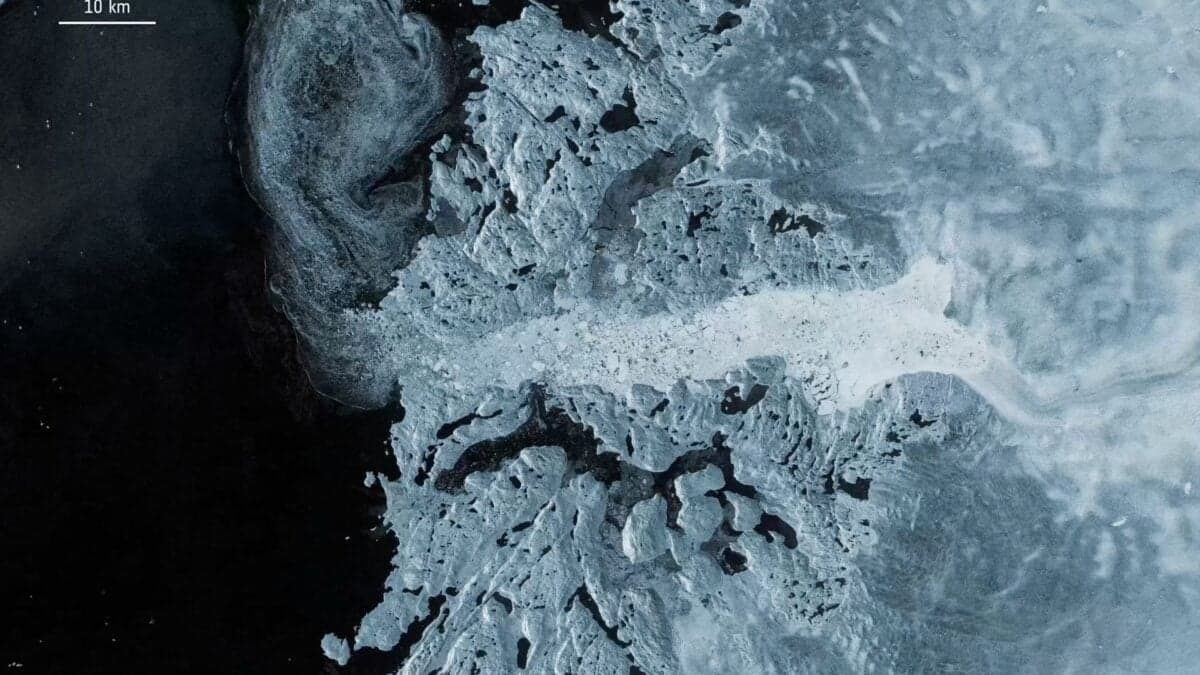
A new study warns that the Wilkes Subglacial Basin in East Antarctica, a region with little direct research, could become a major contributor to global sea-level rise. The basin holds enough ice to raise sea levels by up to 13 feet, and its vulnerability to warming ocean waters may accelerate ice retreat.
30 SEC SUMMARY
- The Wilkes Subglacial Basin in East Antarctica holds enough ice to raise global sea levels by 10 to 13 feet (3 to 4 meters).
- The region is understudied, with no in situ mapping of the sea floor and limited ocean condition data.
- Computer models predict potential rapid ice retreat of up to 0.6 miles (1 km) per year beyond key bedrock points.
- East Antarctica, once considered stable, may become a major driver of sea-level rise due to warming.
- Cook Glacier, the basin’s main glacier, has been thinning since the 1990s and contributes 44 billion tons of ice annually.
TABLE OF CONTENTS
- Study Highlights Risks of the Wilkes Subglacial Basin
- Vulnerability to Warming Oceans
- East Antarctica’s Shifting Role in Climate Change
- What this means
- Key takeaways
- FAQ
- Sources
KEY HIGHLIGHTS
- The Wilkes Subglacial Basin in East Antarctica holds enough ice to raise global sea levels by 10 to 13 feet (3 to 4 meters).
- The region is largely unexplored, with no in situ mapping of the sea floor or detailed ocean condition data.
- Computer models predict ice retreat could accelerate to 0.6 miles (1 kilometer) per year beyond key bedrock points.
- East Antarctica, once considered stable, may now become a significant contributor to sea-level rise due to warming.
Study Highlights Risks of the Wilkes Subglacial Basin
A new study published in Nature Reviews Earth & Environment warns that the Wilkes Subglacial Basin in East Antarctica could become a major driver of global sea-level rise as the climate warms. According to Gizmodo, the basin contains enough ice to raise sea levels by 10 to 13 feet (3 to 4 meters).
The Wilkes Subglacial Basin, stretching roughly 870 miles (1,400 kilometers) along the inland side of the Transantarctic Mountains, is one of the least explored regions of Antarctica. Researchers report that there is no in situ mapping of the sea floor and very limited information about ocean conditions that could accelerate melting.
Vulnerability to Warming Oceans
The study describes the basin as a marine-based ice sheet, meaning much of its bedrock lies below sea level. This makes it particularly vulnerable to retreat if warmer seawater reaches the grounding zone—the area where glaciers transition from land-based to floating ice. Gizmodo reports that computer models predict potential rapid retreat of up to 0.6 miles (1 kilometer) per year beyond key bedrock pinning points that currently stabilize the ice.
Cook Glacier, the basin’s primary glacier, has been thinning since the 1990s. It currently contributes approximately 44 billion tons (40 billion tonnes) of ice to the ocean each year, a trend that could accelerate with further warming.
East Antarctica’s Shifting Role in Climate Change
East Antarctica has long been regarded as more stable than West Antarctica, but the study suggests this perception may be changing. According to Gizmodo, its marine-based basins, including the Wilkes Subglacial Basin, could play a much larger role in sea-level rise under sustained warming. Some ice shelves in the region have already experienced thinning and collapse, signaling early stages of instability.
What this means
Lazyfounder analysis — our interpretation, not reported fact.
This study underscores a critical gap in climate science: the areas we know the least about may pose the greatest threats. For founders and operators in climate tech, infrastructure, or insurance, the findings highlight the urgency of investing in better data collection and adaptation strategies. The potential for rapid ice retreat in East Antarctica could accelerate timelines for coastal planning, flood defense innovation, and climate risk modeling. Ignoring these risks could leave businesses unprepared for cascading economic and logistical challenges.
Key takeaways
- The Wilkes Subglacial Basin in East Antarctica has enough ice to raise global sea levels by 10 to 13 feet.
- The region is largely unexplored, with no direct mapping data or detailed ocean condition records.
- Computer models suggest ice retreat could reach 0.6 miles per year beyond critical bedrock pinning points.
- Cook Glacier has been thinning since the 1990s and contributes 44 billion tons of ice annually to the ocean.
- East Antarctica, once considered stable, may become a significant driver of sea-level rise due to its marine-based basins.
FAQ
Why is the Wilkes Subglacial Basin important for sea-level rise?
The basin contains enough ice to raise global sea levels by 10 to 13 feet (3 to 4 meters). Its marine-based structure makes it vulnerable to retreat if warmer seawater reaches the grounding zone.
How fast could ice retreat in the Wilkes Subglacial Basin?
Computer models suggest retreat could reach up to 0.6 miles (1 kilometer) per year beyond key bedrock pinning points that currently stabilize the ice.
Has East Antarctica already shown signs of instability?
Yes. Some ice shelves in the region, including parts of the Wilkes Subglacial Basin, have undergone thinning and collapse since the 1990s.
Related on Lazyfounder
Sources
- Gizmodo · 2026-10-05
An Unmapped Region of Antarctica Could Be Harboring a Major Threat
This story is an original summary drafted with AI by Lazyfounder from the reporting listed above and checked by automated validation. Facts are attributed to their original publishers; sections marked as analysis are Lazyfounder's. Where a source is in another language, facts were machine-translated and quotations are reported, not reproduced. Read the original coverage via the links, and see our AI policy and corrections policy.

About the author
Editor, Lazyfounder
Tarun Mottlia edits LazyFounders, covering Indian startups, funding rounds, AI and product launches. Every story on the site is AI-assisted and checked against its cited sources before publication.
More stories by Tarun MottliaGet the LazyFounder Brief
Startup, funding and AI news in a five-minute read. Join the early-access list.
