
Wildlife Photographer of the Year 2026 Winners Announced: Emotion and Innovation Take Center Stage
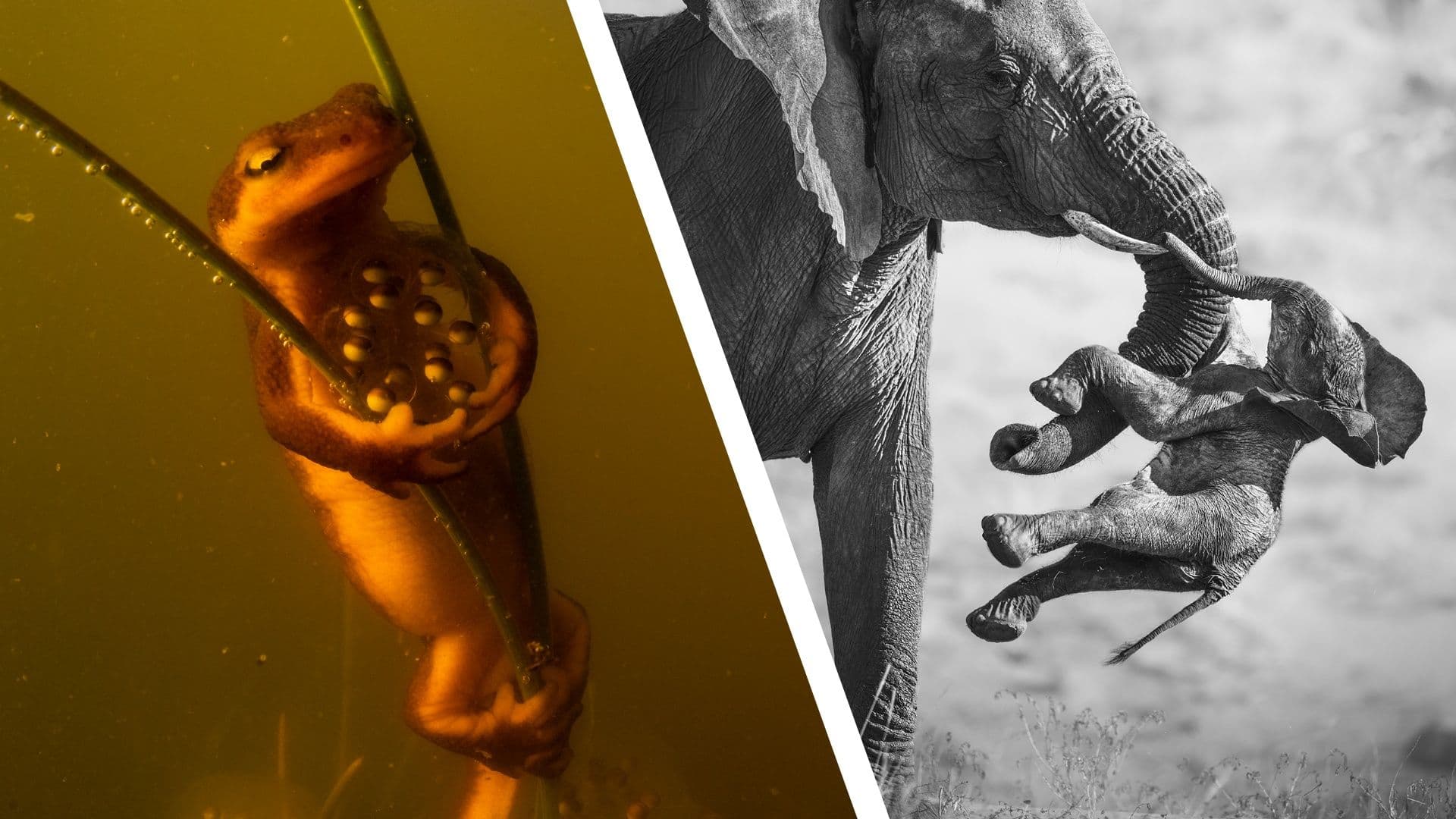
The 62nd Wildlife Photographer of the Year competition has crowned its winners, with Federico Veronesi’s emotionally charged image of an elephant carrying a dead calf in Namibia claiming the top prize. The exhibition, opening at London’s Natural History Museum on 16 October 2026, also highlights innovative techniques like infrared photography, offering lessons for photographers and tech enthusiasts alike.

Editor, Lazyfounder
30 SEC SUMMARY
- Federico Veronesi won the 62nd Wildlife Photographer of the Year award for his emotionally striking image of an elephant carrying a dead calf in Namibia.
- The winning photographs, including Veronesi’s, will be exhibited at London’s Natural History Museum from 16 October 2026 to 11 July 2027.
- James Lewin’s infrared photography technique won the Animals in their Environment category, highlighting innovative camera technology in wildlife photography.
- Exhibition tickets are priced at £8.50 (child), £13.60 (concession), and £17 (adult), with a companion book available for £28.
TABLE OF CONTENTS
KEY HIGHLIGHTS
- Federico Veronesi won the 62nd Wildlife Photographer of the Year competition for his photograph of an elephant carrying a dead calf in Namibia’s Huab River Valley.
- The winning image was captured using a Nikon Z8 and 400mm f/2.8 lens.
- The exhibition of winning photographs runs from 16 October 2026 to 11 July 2027 at the Natural History Museum in London.
- James Lewin won the Animals in their Environment category using an infrared-converted Nikon Z7 II camera.
- Infrared photography, used by Lewin, creates dramatic effects like otherworldly skies and reflections but has limitations in certain lighting conditions.
- Exhibition tickets are priced at £8.50 (child), £13.60 (concession), and £17 (adult), with a companion book available for £28.
Grand Prize Winner Captures Emotional Moment
The 62nd Wildlife Photographer of the Year competition was won by Federico Veronesi, an Italian photographer, for his image of an elephant carrying a dead calf in Namibia’s Huab River Valley. According to TechRadar, the photograph was taken using a Nikon Z8 and a 400mm f/2.8 lens.
Veronesi’s winning image depicts a behaviour observed in elephants, including vocalisations, guarding the dead, and handling bones. Researchers quoted by TechRadar suggest these behaviours may reflect an elephant’s understanding of death or possible grief.
Other Category Winners Showcase Creative Techniques
James Lewin won the Animals in their Environment category with an infrared photograph taken in Kenya’s Masai Mara National Park. TechRadar reports that Lewin used an infrared-converted Nikon Z7 II camera to capture the image, which highlights the creative potential of infrared photography in harsh lighting conditions.
Michał Michalski won the Natural Artistry category for a photograph of goldfinches and bramblings, created using a slow shutter speed. Francisco Negroni took the Photojournalism category with a photograph titled 'Warning Sign,' captured in Argentina’s Santa Cruz Province using a Canon EOS R5 and 70–200mm f/2.8 lens.
How Infrared Photography Works in Wildlife Imaging
Infrared photography, as demonstrated by James Lewin’s winning entry, allows photographers to achieve dramatic effects such as vivid skies and otherworldly atmospheres. TechRadar explains that plants reflect infrared light, creating striking contrasts, though the technique can also produce eerie effects in animal eyes.
Lewin used a budget-friendly 28-75mm f/2.8 lens for his shot, as newer lenses with protective coatings can interfere with infrared light. The converted Nikon Z7 II enabled faster shutter speeds, which are critical for capturing motion in wildlife photography.
While infrared photography offers unique creative possibilities, TechRadar notes that it is not suitable for all lighting conditions or subjects, limiting its versatility.
Exhibition and Book Details Announced
The winning photographs will be exhibited at the Natural History Museum in London from 16 October 2026 to 11 July 2027. According to TechRadar, tickets are priced at £8.50 for children, £13.60 for concessions, and £17 for adults.
Accompanying the exhibition, the 'Wildlife Photographer of the Year Portfolio 36' book will be published on 14 October 2026, priced at £28.
What this means
Lazyfounder analysis — our interpretation, not reported fact.
This year’s Wildlife Photographer of the Year winners highlight how technology and creativity intersect in wildlife photography. Veronesi’s winning image underscores the emotional depth that can be captured in wildlife photography, while Lewin’s infrared technique demonstrates how experimental approaches can yield striking results. For founders and operators in the photography, tech, or creative industries, this competition serves as a reminder of the value of pushing technical boundaries—whether through equipment, lighting, or post-processing—to tell compelling stories. The exhibition’s timing and book release also offer a case study in how to build anticipation and engagement around a creative product.
Key takeaways
- The grand prize-winning image captures a poignant moment in elephant behaviour, showcasing the storytelling power of wildlife photography.
- Infrared photography can create unique visual effects but requires specific equipment and conditions to execute successfully.
- Winning entries often combine technical skill with creative experimentation, a lesson for photographers and tech innovators alike.
- Exhibitions and companion books can extend the reach and impact of a competition, turning it into a multi-channel experience for audiences.
FAQ
What camera equipment did Federico Veronesi use for his winning photograph?
Veronesi used a Nikon Z8 and a 400mm f/2.8 lens to capture his winning image of an elephant carrying a dead calf in Namibia.
How does infrared photography work in wildlife imaging?
Infrared photography captures light beyond the visible spectrum, creating dramatic effects like vivid skies and reflections from plants. However, it can produce unintended effects, such as eerie-looking animal eyes, and is limited by lighting conditions.
When and where is the Wildlife Photographer of the Year exhibition being held?
The exhibition runs from 16 October 2026 to 11 July 2027 at the Natural History Museum in London.
What are the ticket prices for the Wildlife Photographer of the Year exhibition?
Tickets are priced at £8.50 for children, £13.60 for concessions, and £17 for adults.
Sources
- TechRadar · 2026-10-13
An emotional ‘gut punch’: elephant carrying a dead calf in Namibia scoops the Wildlife Photographer of the Year award — here are this year’s winning images - TechRadar · 2026-10-15
'There would have been no image without it' — why WPOTY 2026 winner used an infrared camera for his comical winning shot of elephant spraying zebra with water
This story is an original summary drafted with AI by Lazyfounder from the reporting listed above and checked by automated validation. Facts are attributed to their original publishers; sections marked as analysis are Lazyfounder's. Where a source is in another language, facts were machine-translated and quotations are reported, not reproduced. Read the original coverage via the links, and see our AI policy and corrections policy.

About the author
Editor, Lazyfounder
Tarun Mottlia edits LazyFounders, covering Indian startups, funding rounds, AI and product launches. Every story on the site is AI-assisted and checked against its cited sources before publication.
More stories by Tarun MottliaGet the LazyFounder Brief
Startup, funding and AI news in a five-minute read. Join the early-access list.
