
Wi-Fi 5 vs Wi-Fi 6: The real reason I upgraded my home router this year
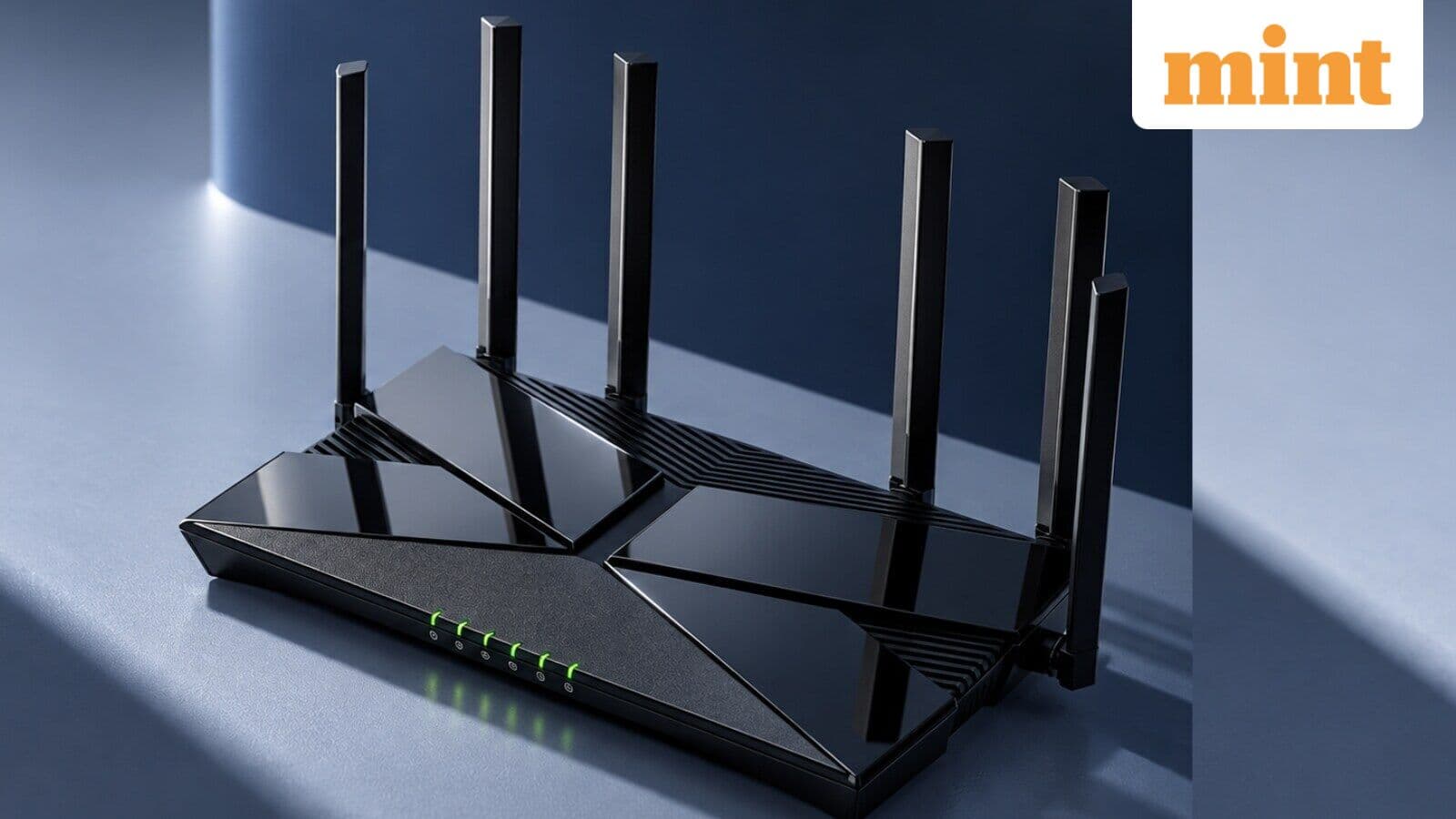
My old router couldn’t keep up with my home anymore. Here’s why I switched to a dual-band Wi-Fi 6 router during the festival sale.
Via mint
Editorial independence is core to our work. Some links may earn us a commission, without influencing our opinions.
My old router couldn’t keep up with my home anymore. Here’s why I switched to a dual-band Wi-Fi 6 router during the festival sale.
Why I finally upgraded my router before the festival sale
For the last few months, my evenings had a familiar pattern: a video call would freeze right when someone was mid-sentence, the smart TV would buffer during the one episode I actually had time to watch and my handset would quietly drop from Wi-Fi to mobile data without even warning me. I kept blaming my broadband plan. It took an embarrassingly long time to realise the actual problem was sitting quietly in the corner of my living room, a five-year-old dual-band router that simply couldn't keep up with how many devices my home had accumulated. This is the story of why I finally replaced it, what changed once I did and what I'd tell anyone eyeing a router upgrade during the festival sale.
Our Picks
FAQs
ProductRatingPrice
TP-Link Archer AX56 New AX3000 Gigabit Wi-Fi 6 Router, Dual-Band 2402 Mbps + 574 Mbps, OFDMA, Beamforming, HomeShield Security, EasyMesh Compatible, Ideal for Gaming, Streaming & Smart Homes.View Details
Check Offers
Cudy WR1500 | AX1500 Mesh Wi-Fi 6 Router AX1500 Gigabit Dual Band Wi-Fi 6 Router, 802.11ax/ac/a/b/g/n, 1201Mbps at 5GHz + 300Mbps at 2.4GHz, 4 x 10/100/1000Mbps PortsView Details
Check Offers
Syrotech SY-AX1800 WiFi 6 Dual Band Gigabit Router | AX1800 High-Speed Wireless Router | 1501 Mbps | 4 Gigabit Ports | MU-MIMO | OFDMA | WPA3View Details
Check Offers
TP-Link Archer AX12 AX1500 Wi-Fi 6 Router | Dual-Band Gigabit Wireless | MU-MIMO & OFDMA | Beamforming & WPA3 Security | Easy Setup via Tether App |High-Speed Coverage for Home, Gaming & Smart DevicesView Details
Check Offers
ASUS RT-AX53U (AX1800) Dual Band WiFi 6 Extendable Router, USB, Subscription-Free Network Security, Instant Guard, Parental Control, Built-in VPN, AiMesh Compatible, Gaming & Streaming, Smart HomeView Details
Check Offers
How I ended up with too many devices and too little router
When I bought my old router, my home had maybe four devices connecting to it regularly. Fast forward to now, and between five smartphones, a laptop, a smart TV, a couple of smart plugs and a smartwatch that insists on syncing constantly, I was well past a dozen devices fighting for the same bandwidth. Older routers weren't built with this kind of device density in mind and mine was starting to show it in exactly the ways you'd expect: slower speeds during peak hours, more dropped connections, and noticeably weaker coverage in the bedroom furthest from the router.
What actually changed with Wi-Fi 6
The technical explanation for Wi-Fi 6 can get dense quickly, so here's the version that actually matters to a regular user. Older routers largely talk to one device at a time in quick succession, which feels fine with a handful of gadgets but starts to strain once you cross into double digits. Wi-Fi 6 routers use something called OFDMA, which essentially lets the router communicate with multiple devices simultaneously instead of queuing them up. In practice, this means less waiting, fewer stutters and a network that holds up much better as your device count grows, rather than degrading the moment your household gets busy.
Loading Suggestions...
Loading Suggestions...
Loading Suggestions...
Loading Suggestions...
Why dual-band still matters even with newer standards
Dual-band isn't a Wi-Fi 6 exclusive feature; my old router had it too, but it's worth explaining because it's still doing important work. The 2.4GHz band travels further and pushes through walls better, which is why it's usually what your smart plugs and doorbell connect to, while the 5GHz band is faster but weaker over distance, ideal for laptops and streaming devices closer to the router. A dual-band Wi-Fi 6 router essentially takes this same sensible split and makes both bands handle traffic more efficiently, so you're not choosing between range and speed as much as you used to.
What actually improved after I switched
The biggest change wasn't top speed, it was consistency. Video calls stopped freezing during peak evening hours when everyone at home was streaming or on a call simultaneously. The bedroom that used to sit in a weak signal zone now holds a stable connection. And my smart home devices, which used to occasionally fall off the network entirely, have stayed reliably connected since the switch. None of this felt dramatic in the moment, but the absence of daily friction was hard to ignore once it was gone.
Was waiting for the sale worth it
Honestly, yes. Wi-Fi 6 routers generally cost more than older Wi-Fi 5 models and that gap was enough to make me hesitate for a while. The festival sale narrowed that price difference considerably, enough that the upgrade stopped feeling like a splurge and started feeling like reasonable value for what I was getting. If your current router is already struggling, sale season is a genuinely sensible window to make the switch rather than paying full price later out of frustration.
Who should consider upgrading, and who can hold off
If your home has grown busier with devices, if you regularly work from home on video calls, or if certain rooms have always had weak signal, a Wi-Fi 6 upgrade is likely to solve real, everyday annoyances. If you live alone with two or three devices and your current router hasn't given you any trouble, there's genuinely no rush. Buying based on what's new rather than what you actually need is how people end up with routers they never fully use.
Feature
Older Dual-Band Wi-Fi 5 Router
Dual-Band Wi-Fi 6 Router
Best for
Basic browsing, small households, light usage
Multiple connected devices, heavy streaming and work-from-home use
Speed on paper
Lower theoretical maximum speeds
Noticeably higher theoretical maximum speeds
Performance with many devices
Slows down as more devices connect
Handles many simultaneous devices far more smoothly
Efficiency
Talks to one device at a time per channel, mostly
Uses OFDMA to talk to multiple devices at once, reducing lag
Battery impact on gadgets
Standard
Slightly better, thanks to Target Wake Time reducing device wake-ups
Price
Cheaper, easy to find on sale
Costs more, though sale pricing narrows the gap
Future readiness
Ageing standard, fewer devices optimised for it
Matches modern phones, laptops and smart home gadgets
Main advantage
Lower cost, sufficient for light households
Stays smooth even as your device count grows
Main drawback
Struggles once your home fills up with smart devices
Higher upfront cost than a basic Wi-Fi 5 router
Conclusion
My old router didn't fail all at once; it just quietly stopped keeping up until the frustration became too obvious to ignore. Switching to a dual-band Wi-Fi 6 router during the festival sale fixed problems I'd been blaming on everything except the actual router. If your home has more devices than it did when you bought your current one, or if certain corners of your house have always had weak Wi-Fi, this is exactly the kind of upgrade worth timing around a good sale rather than waiting for the frustration to peak again.
Disclaimer: Mint has an affiliate marketing partnership, which means we may get some commission on purchases you make through the retailer's site links provided. These partnerships do not influence our editorial content, which is free from any bias or marketing pitch. We strive to provide accurate and unbiased information to help you make informed decisions. We recommend verifying details with the retailer before making a purchase.
Meet your Guide
Courtesy
This story was originally published by mint. All rights belong to the original publisher.
Read the original on livemint.com ↗