
Why *Avengers: Endgame* Killed Black Widow: Writers Reveal Feedback’s Role
The writers of *Avengers: Endgame* revealed how internal feedback and narrative consistency led to one of the film’s most pivotal moments. Stephen McFeely, co-writer of the blockbuster, shared that the decision to kill Black Widow instead of Hawkeye was shaped by pushback from female employees at Marvel and the character’s arc of redemption.

Editor, Lazyfounder
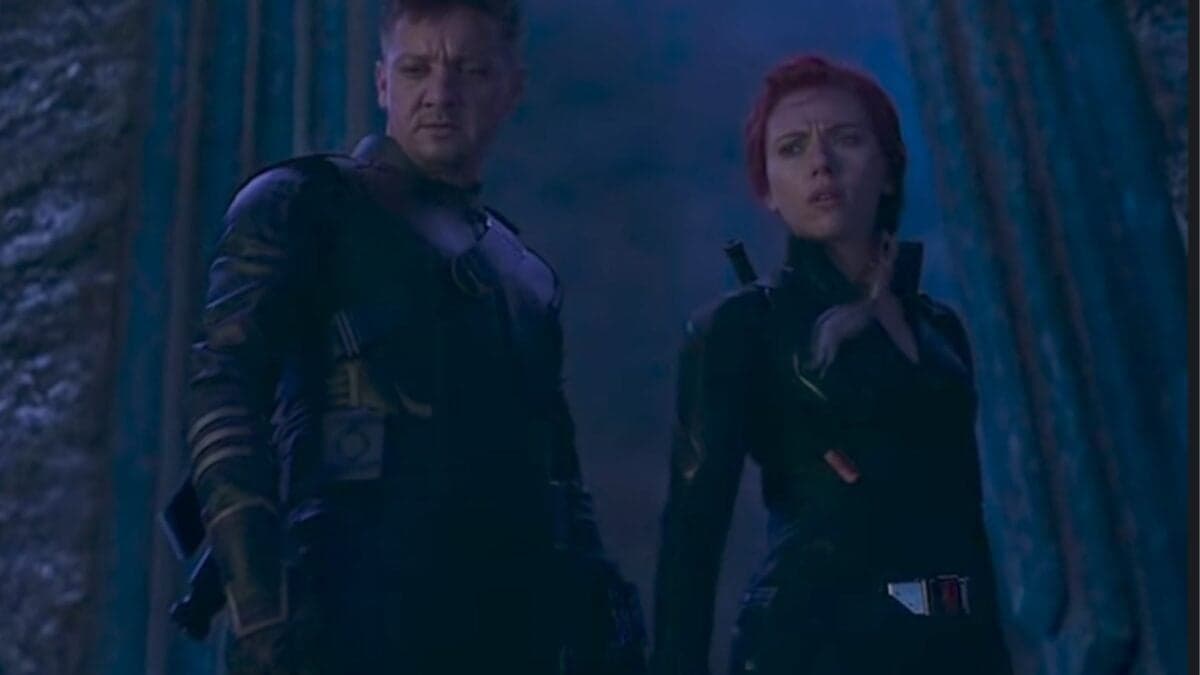
The writers of Avengers: Endgame revealed how internal feedback and narrative consistency led to one of the film’s most pivotal moments. Stephen McFeely, co-writer of the blockbuster, shared that the decision to kill Black Widow instead of Hawkeye was shaped by pushback from female employees at Marvel and the character’s arc of redemption.
30 SEC SUMMARY
- Stephen McFeely, co-writer of Avengers: Endgame, revealed the creative reasoning behind Black Widow’s death in the film.
- The writers initially considered killing Hawkeye instead of Black Widow but faced pushback from female Marvel employees.
- Black Widow’s sacrifice was chosen to align with her character arc and personal redemption.
- The decision was influenced by feedback emphasizing gender representation and narrative consistency.
- The film continues to reference Black Widow’s death in its ending, underscoring its impact.
TABLE OF CONTENTS
- Reported Feedback Shaped Endgame’s Key Moment
- Character Arc Drove the Final Decision
- Gender Representation and Narrative Impact
- What this means
- Key takeaways
- FAQ
- Sources
KEY HIGHLIGHTS
- Avengers: Endgame writers initially considered killing Hawkeye instead of Black Widow.
- Feedback from female Marvel employees influenced the decision to change the storyline.
- Black Widow’s death was tied to her character arc of redemption and finding a new family in the Avengers.
- The film references her sacrifice multiple times, emphasizing its narrative importance.
Reported Feedback Shaped Endgame’s Key Moment
According to Gizmodo, Stephen McFeely, one of the screenwriters behind Avengers: Endgame, disclosed that the decision to kill Black Widow (Natasha Romanoff) instead of Hawkeye (Clint Barton) was not the original plan. The writers had initially explored a version of the script where Hawkeye sacrifices himself for the Soul Stone.
McFeely revealed that female employees at Marvel expressed concerns about this alternative. Their feedback played a role in revisiting the decision, ultimately leading to Black Widow’s death as the chosen outcome.
Character Arc Drove the Final Decision
The writers framed the choice as tied to Black Widow’s personal journey. As reported, McFeely explained that Romanoff had spent years seeking redemption for her past actions, and her sacrifice was a way to fulfill that arc.
The film’s ending reinforces this decision. According to Gizmodo, Endgame references Black Widow’s death multiple times, including Hulk’s failed attempt to resurrect her and Hawkeye’s conversation with Scarlet Witch. These moments underscore the weight of her sacrifice.
Gender Representation and Narrative Impact
The pushback from female Marvel employees highlights the role of representation in storytelling. While the writers initially focused on narrative mechanics, feedback emphasized the importance of Black Widow’s arc for female audiences and gender dynamics in the franchise.
The decision to pair Black Widow and Hawkeye in the quest for the Soul Stone was intentional, as their relationship was built on mutual care. This context made her sacrifice more meaningful, aligning with the film’s emotional core.
What this means
Lazyfounder analysis — our interpretation, not reported fact.
For founders and operators, this story highlights how internal feedback—especially from underrepresented groups—can shape critical decisions. Marvel’s writers initially considered a different outcome, but pushback from female employees led to a re-evaluation that ultimately strengthened the narrative. It’s a reminder that diverse perspectives can refine a product’s impact, whether it’s a film or a startup’s core offering. The focus on character arcs over shock value also underscores the importance of consistency in storytelling, a principle that applies to branding and user engagement in business.
Key takeaways
- Stephen McFeely and Christopher Markus, writers of Avengers: Endgame, initially considered killing Hawkeye instead of Black Widow.
- Female employees at Marvel provided feedback that influenced the decision to kill Black Widow.
- Black Widow’s death was chosen to align with her character’s arc of personal redemption.
- The film references her sacrifice multiple times, reinforcing its narrative significance.
- This case illustrates how internal feedback can shape high-stakes creative decisions.
FAQ
Why did Marvel choose to kill Black Widow instead of Hawkeye?
According to the writers, the decision was influenced by feedback from female Marvel employees and Black Widow’s character arc. Her sacrifice was seen as a way to fulfill her journey of redemption and emphasize the emotional weight of her loss.
Did the writers originally plan to kill Hawkeye?
Yes, Stephen McFeely revealed that an early version of the script considered killing Hawkeye instead of Black Widow for the Soul Stone.
How does Black Widow’s death impact the story in Avengers: Endgame?
Her sacrifice is referenced multiple times in the film’s ending, including Hulk’s attempt to bring her back and Hawkeye’s lament with Scarlet Witch. This reinforces the narrative significance of her death.
Related on Lazyfounder
Sources
- Gizmodo · 2026-09-29
The Writers of ‘Avengers: Endgame’ Tried Killing Hawkeye Over Black Widow
This story is an original summary drafted with AI by Lazyfounder from the reporting listed above and checked by automated validation. Facts are attributed to their original publishers; sections marked as analysis are Lazyfounder's. Where a source is in another language, facts were machine-translated and quotations are reported, not reproduced. Read the original coverage via the links, and see our AI policy and corrections policy.

About the author
Editor, Lazyfounder
Tarun Mottlia edits LazyFounders, covering Indian startups, funding rounds, AI and product launches. Every story on the site is AI-assisted and checked against its cited sources before publication.
More stories by Tarun MottliaGet the LazyFounder Brief
Startup, funding and AI news in a five-minute read. Join the early-access list.
