
What is FDM 3D printing? How it works, pros, cons, and materials
Fused Deposition Modeling (FDM) is one of the most accessible and widely used 3D printing technologies, favored for its speed and affordability. It works by layering thermoplastic filaments to create objects, but its limitations in precision and durability make it unsuitable for some applications. Here’s what founders and operators need to know about FDM, its materials, and when to consider alternatives.

Editor, Lazyfounder
Fused Deposition Modeling (FDM) is one of the most accessible and widely used 3D printing technologies, favored for its speed and affordability. It works by layering thermoplastic filaments to create objects, but its limitations in precision and durability make it unsuitable for some applications. Here’s what founders and operators need to know about FDM, its materials, and when to consider alternatives.
30 SEC SUMMARY
- FDM (Fused Deposition Modeling) is a widely used 3D printing technology that builds objects layer by layer using thermoplastic filaments.
- Common FDM filaments include PLA, PETG, ABS, TPU, nylon, wood, and metal filaments, each with unique properties and use cases.
- FDM printers are popular for prototyping due to their speed, low cost, and ease of use, but they struggle with fine details and intricate designs.
- Warping and structural weaknesses are common limitations of FDM prints, affecting their durability under pressure.
- For higher precision, alternatives like SLA, DLP, and SLS are recommended despite their higher costs and complexity.
TABLE OF CONTENTS
- How FDM 3D printing works
- Popular FDM materials and their uses
- Advantages of FDM printing
- Limitations of FDM printing
- Alternatives to FDM for higher precision
- What this means
- Key takeaways
- FAQ
- Sources
KEY HIGHLIGHTS
- FDM is a 3D printing method that builds objects layer by layer using thermoplastic filaments like PLA, PETG, and ABS.
- It is widely used for prototyping due to its speed, low cost, and ease of use.
- FDM prints struggle with fine details and are prone to warping and structural weaknesses.
- Alternatives like SLA, DLP, and SLS offer higher precision but come with higher costs and complexity.
- Materials like TPU, nylon, and metal filaments expand FDM’s applications but require specialized settings.
How FDM 3D printing works
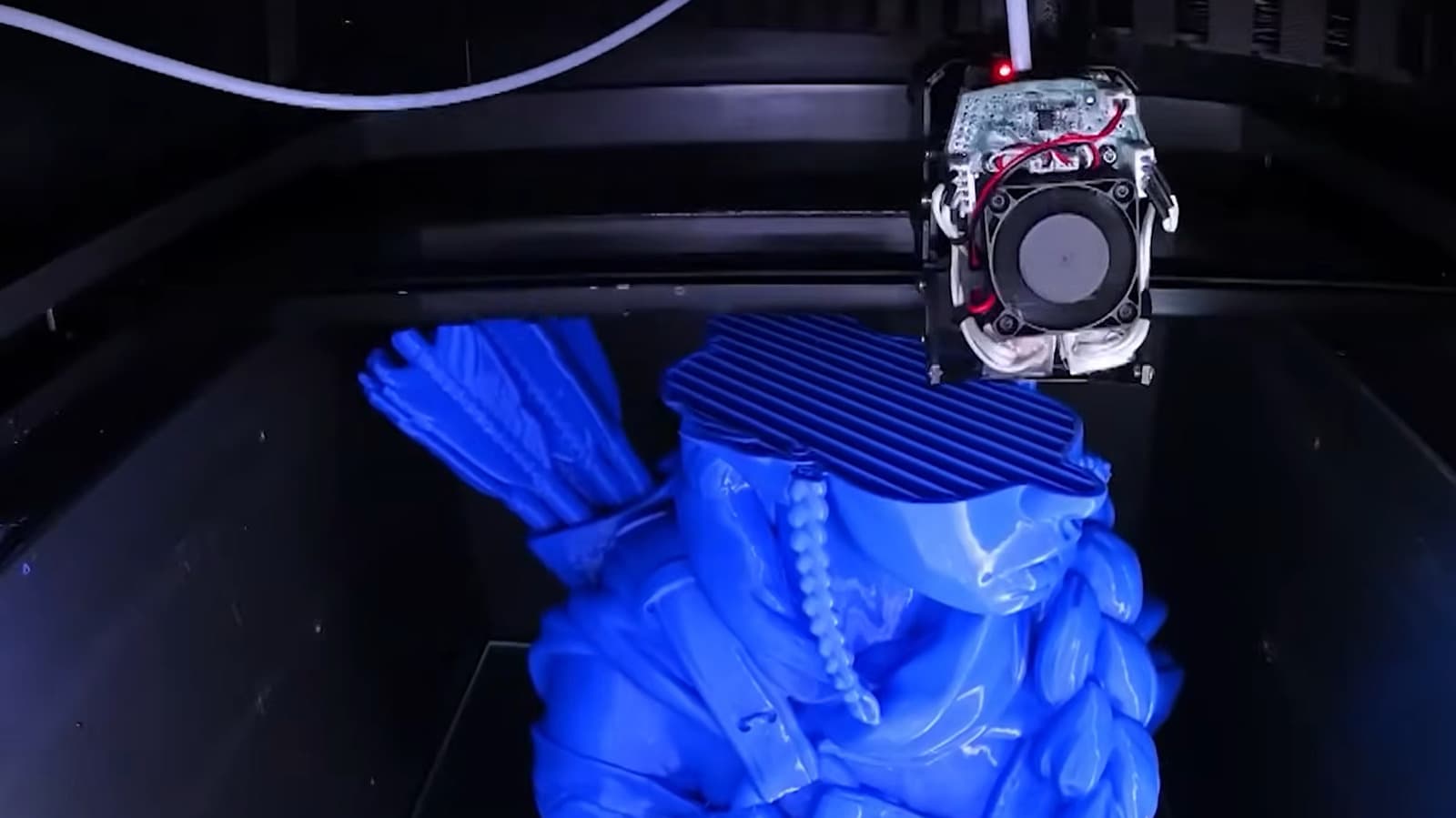
According to Engadget, FDM, or Fused Deposition Modeling, is a 3D printing technology that constructs objects by depositing layers of thermoplastic filament. The process begins with a computer-aided design (CAD) file, which is translated into instructions for the printer. The printer then heats the filament, extruding it through a nozzle onto a build plate, where it cools and solidifies to form the final object.
The time required for an FDM print can range from a few hours to several days, depending on the size, complexity, and printer settings. The technology is praised for its speed and accessibility, making it a popular choice for rapid prototyping and hobbyist projects.
Popular FDM materials and their uses
FDM printers work with a variety of thermoplastic filaments, each offering distinct properties. According to Engadget, PLA (polylactic acid) is a biodegradable and user-friendly material, ideal for beginners due to its low printing temperature. PETG (polyethylene terephthalate glycol) is valued for its durability and glossy finish, often used in functional parts like water bottles.
ABS (acrylonitrile butadiene styrene) is another common filament, known for its toughness and suitability for mechanical components. Other materials include TPU (thermoplastic polyurethane), which is flexible and used for items like phone cases, and nylon, which offers strength and wear resistance. Specialty filaments, such as wood or metal-infused options, expand FDM’s applications but may require advanced printer settings.
Advantages of FDM printing
FDM printing is favored for its affordability and efficiency. Engadget highlights its low material costs, minimal maintenance requirements, and fast turnaround times—often delivering small prints in minutes or hours. These factors make it particularly useful for prototyping, allowing founders and engineers to test designs quickly and iterate without significant expense.
The technology is also beginner-friendly, with a wide range of printers and filaments available at accessible price points. This makes it an attractive option for startups and small teams looking to experiment with 3D printing without heavy upfront investment.
Limitations of FDM printing
Despite its advantages, FDM printing has notable limitations. Engadget notes that FDM prints are typically low resolution, making it difficult to achieve fine details or intricate geometries. The layer-by-layer approach can also lead to structural weaknesses, particularly when prints face pressure along the z-axis, increasing the risk of breaking.
Warping is another common issue, caused by uneven cooling of the filament. This can result in distorted or failed prints, particularly with larger or more complex designs. Additionally, infill printing—a technique used to reduce material usage—can further weaken prints by lowering their internal density.
Companies like Apple rely on higher-precision technologies, such as industrial-grade printers, for manufacturing consumer electronics, underscoring FDM’s limitations for applications requiring exact tolerances.
Alternatives to FDM for higher precision
For applications demanding greater precision, Engadget suggests alternatives like stereolithography (SLA), digital light processing (DLP), and selective laser sintering (SLS). SLA and DLP use light to cure liquid resin layer by layer, producing high-resolution prints with smooth surfaces. These methods are ideal for detailed prototypes, dental models, and jewelry.
SLS, on the other hand, uses lasers to fuse nylon powders, creating durable, support-free structures. While these technologies offer superior quality, they come with higher costs, longer print times, and increased complexity, making them less accessible for casual users or budget-conscious teams.
What this means
Lazyfounder analysis — our interpretation, not reported fact.
For founders and operators in hardware, prototyping, or small-scale manufacturing, FDM printing remains a practical entry point. Its affordability and accessibility make it ideal for rapid iteration, but its limitations in resolution and structural integrity mean it’s not a one-size-fits-all solution. Teams working on detailed or load-bearing components may need to evaluate higher-cost technologies like SLA or SLS, especially if precision is critical. The choice of filament also matters—whether it’s the biodegradability of PLA, the durability of PETG, or the flexibility of TPU—each brings trade-offs in cost, print settings, and final product performance. Understanding these nuances can help avoid costly mistakes in material selection and printer investment.
Key takeaways
- FDM stands for Fused Deposition Modeling, a layer-based 3D printing technology using thermoplastic filaments.
- PLA, PETG, ABS, and TPU are among the most common FDM filaments, each suited to different applications.
- FDM printers are cost-effective and fast for prototyping but lack the precision required for intricate or high-stress parts.
- Common issues like warping and layer separation can compromise FDM print quality and durability.
- For applications requiring finer details or stronger materials, technologies like SLA, DLP, or SLS may be better suited.
FAQ
What is FDM 3D printing used for?
FDM is primarily used for prototyping, hobbyist projects, and small-scale manufacturing. Its speed and low cost make it ideal for testing designs, creating functional prototypes, and producing custom parts. However, it is less suitable for high-precision or load-bearing applications.
What are the most common FDM filaments?
The most common FDM filaments include PLA, PETG, ABS, TPU, and nylon. Each has unique properties—such as durability, flexibility, or biodegradability—that make them suitable for different use cases. Specialty filaments like wood or metal-infused options are also available but may require advanced settings.
What are the main limitations of FDM printing?
FDM prints often struggle with fine details, warping, and structural weaknesses. The layer-by-layer process can lead to visible lines, reduced strength along the z-axis, and difficulty producing intricate or small parts. These limitations make FDM less ideal for high-precision or industrial applications.
When should I use SLA or SLS instead of FDM?
SLA and SLS are better suited for applications requiring high resolution, smooth surfaces, or strong, intricate parts. SLA is ideal for detailed prototypes or dental models, while SLS excels at producing durable, support-free structures. However, these technologies are more expensive and complex than FDM.
Is FDM printing beginner-friendly?
Yes, FDM is considered the most beginner-friendly 3D printing technology due to its low cost, ease of use, and minimal maintenance requirements. It’s a popular choice for startups, educators, and hobbyists looking to experiment with 3D printing without significant upfront investment.
Related on Lazyfounder
Sources
- Engadget · 2026-10-03
What Does FDM Stand For In 3D Printing And How Does It Work?
This story is an original summary drafted with AI by Lazyfounder from the reporting listed above and checked by automated validation. Facts are attributed to their original publishers; sections marked as analysis are Lazyfounder's. Where a source is in another language, facts were machine-translated and quotations are reported, not reproduced. Read the original coverage via the links, and see our AI policy and corrections policy.

About the author
Editor, Lazyfounder
Tarun Mottlia edits LazyFounders, covering Indian startups, funding rounds, AI and product launches. Every story on the site is AI-assisted and checked against its cited sources before publication.
More stories by Tarun MottliaGet the LazyFounder Brief
Startup, funding and AI news in a five-minute read. Join the early-access list.
