
Wakeup lights gain popularity as a gentler alternative to phone alarms
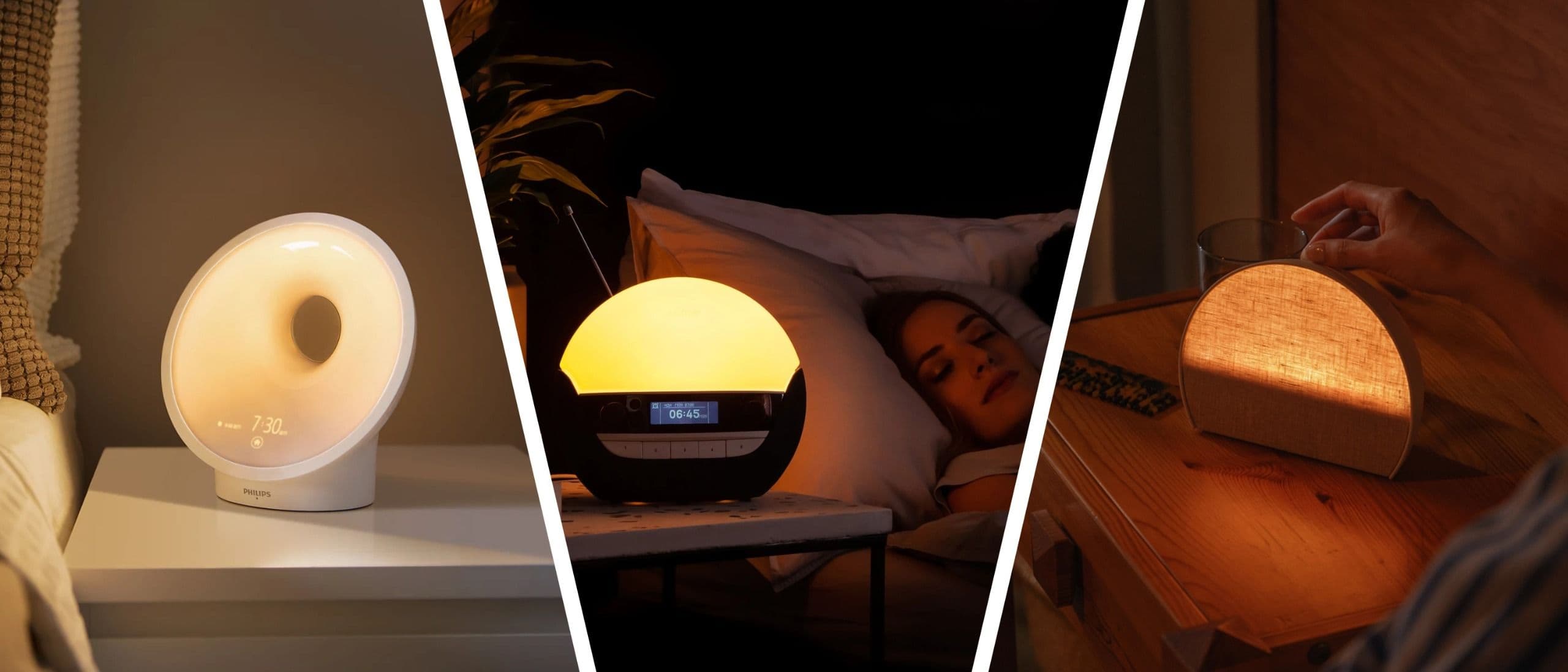
As autumn approaches and mornings grow darker, wakeup lights—also called sunrise alarm clocks—are gaining attention as a gentler alternative to traditional alarms. These devices simulate sunrise to reduce grogginess and improve morning alertness, with brands like Lumie and Philips Hue leading the market.

Editor, Lazyfounder
30 SEC SUMMARY
- Wakeup lights, or sunrise alarm clocks, simulate natural sunlight to wake users gently and reduce morning grogginess.
- Brands like Lumie, Philips Hue, Beurer, and Hatch offer models with customizable brightening, sounds, and relaxation features.
- These devices aim to improve alertness and replace abrupt phone alarms with a soothing wake-up experience.
- TechRadar recommends several models as a solution for dark mornings, particularly during autumn.
- Advanced options include sunset modes, white noise, and a variety of soundscapes to enhance sleep and wake routines.
TABLE OF CONTENTS
KEY HIGHLIGHTS
- Wakeup lights simulate sunrise to wake users gently, reducing the grogginess caused by abrupt alarms.
- Brands like Lumie, Philips Hue, Beurer, and Hatch offer models with customizable brightening, sounds, and relaxation features.
- TechRadar recommends wakeup lights as a solution for dark mornings, particularly during autumn.
- Lumie’s Bodyclock range is among the most popular, featuring advanced options like rainfall sounds and sunset modes.
- Basic models provide simple brightening, while premium versions include white noise and nature sounds to aid sleep.
How wakeup lights improve morning routines
According to TechRadar, wakeup lights—also known as sunrise alarm clocks—use gradual brightening to mimic the natural rise of the sun. This process is designed to wake users more gently than traditional alarms, reducing the groggy feeling often associated with being startled awake from deep sleep.
The publication notes that these devices can make users feel more alert and better prepared for the day. Unlike abrupt phone alarms, wakeup lights provide a soothing transition from sleep to wakefulness, which may improve overall morning routines.
Key features and recommended brands
TechRadar highlights a range of features available in wakeup lights, from basic to advanced. Entry-level models typically offer simple brightening settings, while premium options include customizable durations, multiple sound options, and sunset modes to aid relaxation. Some devices also incorporate white noise or nature sounds to help users fall asleep.
Among the brands recommended by TechRadar are Lumie, Philips Hue, Beurer, and Hatch. Lumie’s Bodyclock range is noted as one of the most popular, with its higher-end models offering a wide selection of sounds, such as rainfall, café noises, and even the sound of kittens purring.
The publication also reports that the author tested several Lumie Bodyclock models and found them impressive, though specific details about broader user feedback or performance metrics are not included.
What this means
Lazyfounder analysis — our interpretation, not reported fact.
For founders and operators in the smart home and wellness technology spaces, wakeup lights highlight a growing intersection between hardware and behavioral science. These devices address a common pain point—disruptive mornings—without requiring significant lifestyle changes, making them an appealing addition to the smart home ecosystem.
The market is becoming increasingly competitive, so differentiation will likely depend on smart integrations (e.g., compatibility with existing smart home systems), personalization (e.g., adjusting brightness based on sleep patterns), or sustainability (e.g., energy-efficient designs). Startups could also explore bundling these devices with sleep-tracking tools or wellness apps to create a more comprehensive solution.
For hardware-focused founders, the challenge lies in balancing affordability with advanced features. Basic models may attract casual users, but premium options with customizable settings could appeal to a loyal customer base willing to invest in a better morning routine.
Key takeaways
- Wakeup lights offer a gentler alternative to traditional alarms, potentially improving morning alertness and reducing grogginess.
- The market includes a range of options, from basic brightening models to advanced devices with customizable sounds, sunset modes, and white noise.
- Brands like Lumie, Philips Hue, Beurer, and Hatch are leading the space, with Lumie’s Bodyclock range standing out as a popular choice.
- Founders in the smart home or wellness sectors could differentiate by integrating these devices with existing ecosystems or adding data-driven personalization.
- As the market grows, affordability and sustainability may become key factors in attracting a broader customer base.
FAQ
How do wakeup lights work?
Wakeup lights simulate sunrise by gradually increasing brightness before the set alarm time. This gentle transition is designed to wake users more naturally and reduce grogginess.
Which brands make the best wakeup lights?
According to TechRadar, popular brands include Lumie, Philips Hue, Beurer, and Hatch. Lumie’s Bodyclock range is among the most well-regarded options.
What features should I look for in a wakeup light?
Basic models offer simple brightening, while advanced options may include customizable durations, sunset modes, white noise, nature sounds, and smart home integrations.
Are wakeup lights effective for improving morning routines?
While individual experiences may vary, wakeup lights are designed to reduce the jarring effect of traditional alarms and may help users feel more alert in the morning.
Sources
- TechRadar · 2026-10-11
A wakeup light is my secret weapon against dark and depressing mornings — here are 9 worth picking up as we head into autumn
This story is an original summary drafted with AI by Lazyfounder from the reporting listed above and checked by automated validation. Facts are attributed to their original publishers; sections marked as analysis are Lazyfounder's. Where a source is in another language, facts were machine-translated and quotations are reported, not reproduced. Read the original coverage via the links, and see our AI policy and corrections policy.

About the author
Editor, Lazyfounder
Tarun Mottlia edits LazyFounders, covering Indian startups, funding rounds, AI and product launches. Every story on the site is AI-assisted and checked against its cited sources before publication.
More stories by Tarun MottliaGet the LazyFounder Brief
Startup, funding and AI news in a five-minute read. Join the early-access list.
