
Valerion VisionMaster Max 4K projector launches with pro specs, consumer trade-offs
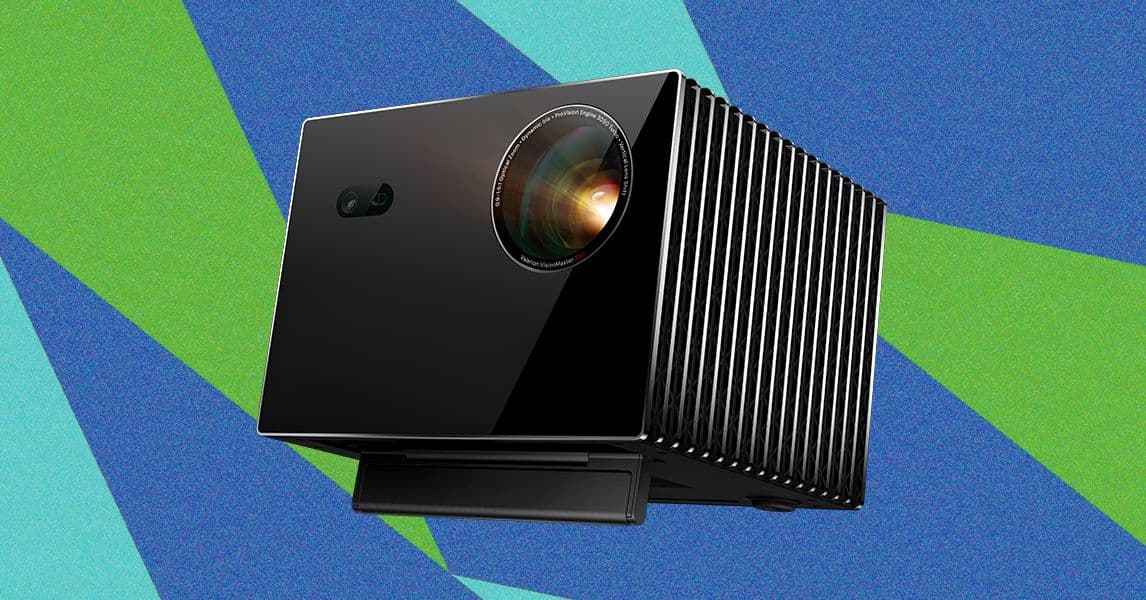
Valerion has released the VisionMaster Max 4K projector, a $3,999 device aimed at gamers and home theater enthusiasts. With high refresh rates and low input lag, it promises premium performance—but its lack of variable refresh rate (VRR) and underwhelming audio raise questions about its target audience and value.

Editor, Lazyfounder
30 SEC SUMMARY
- Valerion has launched the VisionMaster Max 4K projector, targeting gamers and home theater enthusiasts with high refresh rates and low input lag.
- The product supports 240 Hz at 1080p and 4K at 60 Hz but lacks variable refresh rate (VRR) support.
- Priced at $3,999, the VisionMaster Max includes bundled options for screens and stands but falls short in audio performance.
- Competitors like Anker’s Nebula X1 and Leica’s Cine Play 1 offer alternative features and pricing.
- A cheaper alternative, the VisionMaster Pro 2, retains key features at $2,999 but omits some premium capabilities.
TABLE OF CONTENTS
KEY HIGHLIGHTS
- The Valerion VisionMaster Max 4K projector supports refresh rates up to 240 Hz at 1080p and 4K at 60 Hz, with claimed input lag as low as 4 ms.
- It lacks variable refresh rate (VRR) support and features underpowered 12-watt speakers, encouraging external audio solutions.
- Priced at $3,999, the projector can be bundled with screens and stands, competing with the Nebula X1 and Leica Cine Play 1.
- A cheaper alternative, the VisionMaster Pro 2 ($2,999), retains key features like Google TV and RGB triple-laser projection but omits premium extras.
- The VisionMaster Max includes two HDMI 2.1 inputs, DTS and Dolby Atmos support, and Bluetooth audio connectivity.
What the VisionMaster Max offers
According to WIRED, the Valerion VisionMaster Max 4K projector is designed for gamers and home theater enthusiasts, featuring dual HDMI 2.1 inputs and support for refresh rates up to 240 Hz at 1080p. It also handles 4K resolution at 60 Hz, with claimed input lag as low as 4 milliseconds (ms) for 1080p. These specs position it as a high-performance option for fast-paced gaming and cinematic experiences.
The projector includes two 12-watt speakers and supports advanced audio formats like DTS and Dolby Atmos. It also offers Bluetooth connectivity, allowing users to pair wireless speakers for improved sound. However, the built-in speakers are reportedly underwhelming, with notable distortion at higher volumes, pushing users toward external audio solutions.
Missing features and trade-offs
Despite its strengths, the VisionMaster Max lacks variable refresh rate (VRR) support, a feature increasingly valued by gamers for smoother gameplay. This omission could limit its appeal for competitive or fast-paced gaming scenarios.
The projector’s audio performance is another drawback. While it supports high-end audio formats, the built-in 12-watt speakers are described as insufficient for the projector’s premium price. WIRED notes that the speakers sound loud only beyond volume level 25 of 100, suggesting they may not deliver the immersive experience users expect.
Pricing and competition
The VisionMaster Max is priced at $3,999 and can be bundled with screens and stands, according to WIRED. Valerion also offers a cheaper alternative, the VisionMaster Pro 2, at $2,999. The Pro 2 retains key features like Google TV, RGB triple-laser projection, optical zoom, and EBL (extended brightness limitation) but omits premium extras like the Max’s iris and vertical lens shift.
Competitors in this space include Anker’s Nebula X1, which offers 3,500-lumen brightness, and Leica’s Cine Play 1, rated 9/10 by WIRED. These alternatives highlight the trade-offs buyers face in balancing price, brightness, and overall performance.
Positioning and target audience
The VisionMaster Max appears to target enthusiasts willing to invest in a high-end home theater or gaming setup. Its emphasis on cinematic image quality, including superb black levels, aligns with this audience. However, the projector’s reliance on external audio solutions—such as Bluetooth speakers or HDMI eARC for surround sound—suggests it is best suited for users who already own or plan to invest in a dedicated audio system.
For casual buyers or those seeking an all-in-one solution, the VisionMaster Max’s limitations may make it a harder sell. The Pro 2’s lower price point and retention of key features could appeal to a broader audience, while the Max caters to those prioritizing top-tier visual performance.
What this means
Lazyfounder analysis — our interpretation, not reported fact.
For founders and operators in the consumer electronics space, the VisionMaster Max highlights a common tension in hardware design: balancing premium visual performance with trade-offs in other areas, like audio. The projector’s focus on high refresh rates and low input lag caters to gamers, but its underwhelming built-in speakers suggest Valerion is pushing users toward external audio solutions—a smart move for upselling but a potential friction point for casual buyers.
The pricing and feature set also underscore the importance of clarity in target audiences. At $3,999, the VisionMaster Max competes in a niche where enthusiasts expect near-perfect integration, and gaps like the lack of VRR or weak speakers could be dealbreakers. Meanwhile, the Pro 2’s lower price point shows how companies can segment their offerings to capture broader markets without cannibalizing their flagship products. For startups, this is a reminder that product differentiation isn’t just about specs—it’s about understanding where your customers are willing to compromise.
Key takeaways
- The VisionMaster Max targets gamers with 240 Hz refresh rates at 1080p and 4K at 60 Hz, but its lack of VRR may limit appeal for competitive gamers.
- Audio performance is a weak point; the projector’s built-in speakers are underpowered, pushing users toward external audio solutions like DTS or Dolby Atmos.
- At $3,999, the VisionMaster Max competes with alternatives like the Leica Cine Play 1 and Nebula X1, which offer different trade-offs in brightness and pricing.
- Founders should note Valerion’s product segmentation: the Pro 2 retains key features at a lower price, catering to budget-conscious buyers while preserving margins.
- The projector’s reliance on bundled accessories (screens, stands) suggests a strategy to justify its premium price, but this may not resonate with all buyers.
FAQ
What are the key specs of the VisionMaster Max?
The VisionMaster Max supports refresh rates up to 240 Hz at 1080p and 4K at 60 Hz, with claimed input lag as low as 4 ms. It includes two HDMI 2.1 inputs, DTS and Dolby Atmos support, and Bluetooth audio connectivity.
How does the VisionMaster Max compare to competitors?
The VisionMaster Max competes with products like Anker’s Nebula X1 (3,500-lumen brightness) and Leica’s Cine Play 1 (rated 9/10 by WIRED). The Max is priced higher at $3,999 but focuses on gaming and cinematic performance, while competitors prioritize brightness or overall refinement.
What are the audio limitations of the VisionMaster Max?
The projector has two 12-watt speakers, which are described as underpowered and prone to distortion at higher volumes. It supports DTS, Dolby Atmos, and Bluetooth audio, but users may need external speakers or sound systems for a full experience.
Is there a cheaper alternative to the VisionMaster Max?
Yes, Valerion offers the VisionMaster Pro 2 at $2,999. It retains key features like Google TV, RGB triple-laser projection, and optical zoom but omits premium extras like the Max’s iris and vertical lens shift.
Related on Lazyfounder
Sources
- WIRED · 2026-10-18
This Serious Home Projector Lets Cinephiles Make All the Adjustments They Could Want
This story is an original summary drafted with AI by Lazyfounder from the reporting listed above and checked by automated validation. Facts are attributed to their original publishers; sections marked as analysis are Lazyfounder's. Where a source is in another language, facts were machine-translated and quotations are reported, not reproduced. Read the original coverage via the links, and see our AI policy and corrections policy.

About the author
Editor, Lazyfounder
Tarun Mottlia edits LazyFounders, covering Indian startups, funding rounds, AI and product launches. Every story on the site is AI-assisted and checked against its cited sources before publication.
More stories by Tarun MottliaGet the LazyFounder Brief
Startup, funding and AI news in a five-minute read. Join the early-access list.
