
US and Russia explore nuclear-powered data centers amid sanctions and tensions
Russia and the United States are reportedly discussing joint projects to develop nuclear-powered data centers and small-scale nuclear reactors, according to Kirill Dmitriev, CEO of the Russian Direct Investment Fund. The talks, held during the Russian Energy Week conference in Moscow, follow a recent diesel supply agreement but face significant hurdles due to sanctions and geopolitical tensions.

Editor, Lazyfounder
30 SEC SUMMARY
- Russia and the United States are exploring collaboration on nuclear-powered data centers and small-scale nuclear reactors, according to Russian investment envoy Kirill Dmitriev.
- The discussions follow a recent diesel supply agreement between the two countries, despite ongoing geopolitical tensions and sanctions.
- No details on locations, financing, or timelines for the projects have been disclosed.
- American sanctions, including the Graham Act, pose significant obstacles to economic cooperation.
- Ukrainian President Volodymyr Zelenskiy has condemned the diesel deal, while the US continues to pursue it.
TABLE OF CONTENTS
KEY HIGHLIGHTS
- Russia and the US are discussing joint projects involving nuclear-powered data centers and small-scale nuclear reactors.
- Kirill Dmitriev, CEO of the Russian Direct Investment Fund, disclosed the talks at the Russian Energy Week conference in Moscow.
- The discussions follow a diesel supply agreement, though no details on its value or logistics have been shared.
- American sanctions, particularly the Graham Act, are seen as a major barrier to deeper economic cooperation.
- Russia currently operates two 35 MW small nuclear reactors and plans to build 38 more units over the next two decades.
US and Russia explore nuclear collaboration
According to TechRadar, Russia and the United States are in discussions to collaborate on nuclear-powered data centers and small-scale nuclear reactors. The talks were revealed by Kirill Dmitriev, CEO of the Russian Direct Investment Fund and an investment envoy for Russian President Vladimir Putin, during the Russian Energy Week conference in Moscow.
Dmitriev framed the potential collaboration as part of a broader effort to expand economic ties between the two countries, though no specific details—such as locations, financing, timelines, or participating companies—have been disclosed.
Sanctions and geopolitical tensions loom over talks
The discussions occur against a backdrop of strained US-Russia relations, including sanctions like the Graham Act, which Dmitriev described as "misguided" and a significant obstacle to economic cooperation. Despite these challenges, both governments are reportedly considering ways to facilitate further agreements.
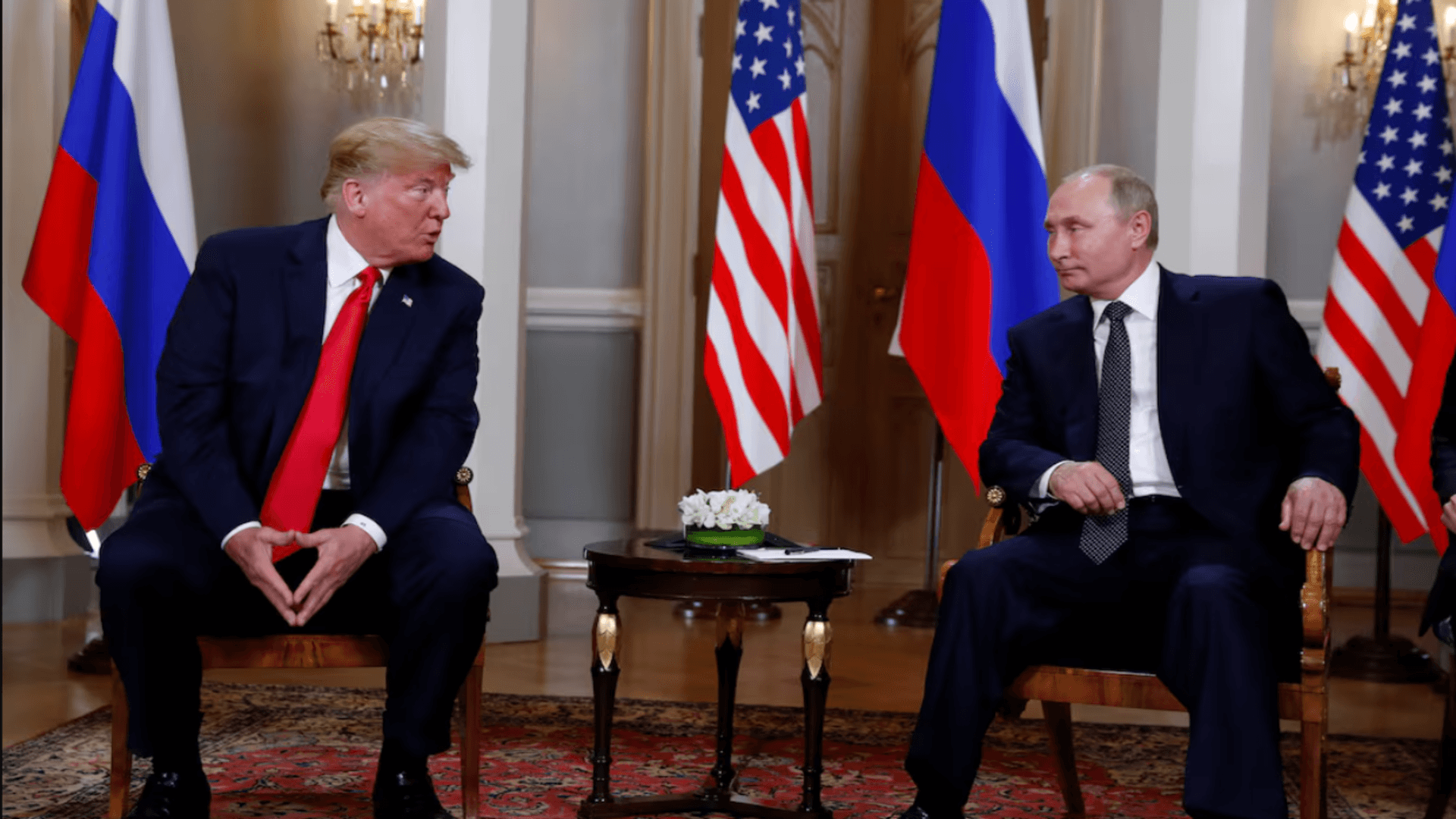
The talks follow a recent diesel supply deal announced by former US President Donald Trump, which would involve lifting certain penalties on Russian crude to allow fuel shipments to global markets. The value of the deal and its logistical details remain unclear.
Ukrainian President Volodymyr Zelenskiy has publicly condemned the diesel agreement, while the US Treasury Department has engaged with Russia’s sovereign fund to address payment-related questions.
Russia’s nuclear reactor ambitions
Russia currently operates two small nuclear reactors, each with a capacity of 35 MW, commissioned in 2020. President Vladimir Putin has announced plans to build 38 additional nuclear power units over the next two decades, aiming to expand computing capacity for artificial intelligence applications.
Dmitriev suggested that Russia’s nuclear reactor technology could form the basis for collaboration with the US, though no concrete proposals have been put forward.
Why nuclear-powered data centers?
The discussions highlight a growing global interest in alternative energy sources for data centers, which are notorious for their high energy and water consumption. Investigations, such as one by Lighthouse Reports, have criticized the lack of transparency in the energy usage of European data centers, underscoring the need for innovative solutions like nuclear power.
Russia’s proposition aligns with its broader strategy to position itself as a leader in nuclear energy, though geopolitical tensions and sanctions complicate potential partnerships with Western countries.
What this means
Lazyfounder analysis — our interpretation, not reported fact.
For founders and operators, this story is a reminder of how geopolitics can reshape industry collaborations—even in sectors as technically driven as nuclear energy and data centers. While the potential for nuclear-powered data centers is intriguing, the lack of concrete details suggests these discussions are still in their infancy. The bigger takeaway is the fragility of international partnerships when sanctions and political tensions are involved. If anything materializes, it will likely be narrowly scoped and tightly controlled, with risks outweighing the rewards for most private companies.
Key takeaways
- Geopolitical tensions and sanctions create unpredictable barriers to international collaboration, even in high-potential sectors like nuclear energy.
- Nuclear-powered data centers could address energy consumption challenges, but the lack of transparency or concrete plans suggests this is a long-term possibility rather than an immediate opportunity.
- Founders should monitor policy shifts—such as changes to sanctions or energy regulations—that could open or close doors to cross-border partnerships.
- Russia’s aggressive expansion of nuclear reactor technology signals its intent to dominate niche energy markets, but Western companies will face reputational and regulatory risks in engaging with it.
FAQ
What are the specific benefits of nuclear-powered data centers?
Nuclear-powered data centers could offer a more stable and sustainable energy source compared to traditional fossil fuels, potentially reducing operational costs and carbon footprints. However, no specific benefits have been detailed in the current discussions.
How do US sanctions affect these talks?
Sanctions like the Graham Act create legal and financial barriers to economic cooperation between the US and Russia. These measures limit transactions, investments, and partnerships, making it difficult to advance joint projects.
Could this collaboration actually happen?
While discussions are underway, no concrete plans, timelines, or financing details have been disclosed. The geopolitical climate, including sanctions and opposition from Ukraine, adds significant uncertainty to the prospects of these projects.
Related on Lazyfounder
Sources
- TechRadar · 2026-10-20
US, Russia to collaborate on nuclear-powered data centers as part of a 'joint project' on small-scale power plants
This story is an original summary drafted with AI by Lazyfounder from the reporting listed above and checked by automated validation. Facts are attributed to their original publishers; sections marked as analysis are Lazyfounder's. Where a source is in another language, facts were machine-translated and quotations are reported, not reproduced. Read the original coverage via the links, and see our AI policy and corrections policy.

About the author
Editor, Lazyfounder
Tarun Mottlia edits LazyFounders, covering Indian startups, funding rounds, AI and product launches. Every story on the site is AI-assisted and checked against its cited sources before publication.
More stories by Tarun MottliaGet the LazyFounder Brief
Startup, funding and AI news in a five-minute read. Join the early-access list.
