
US Department of War partners with PowerLight to develop wireless laser drone recharging
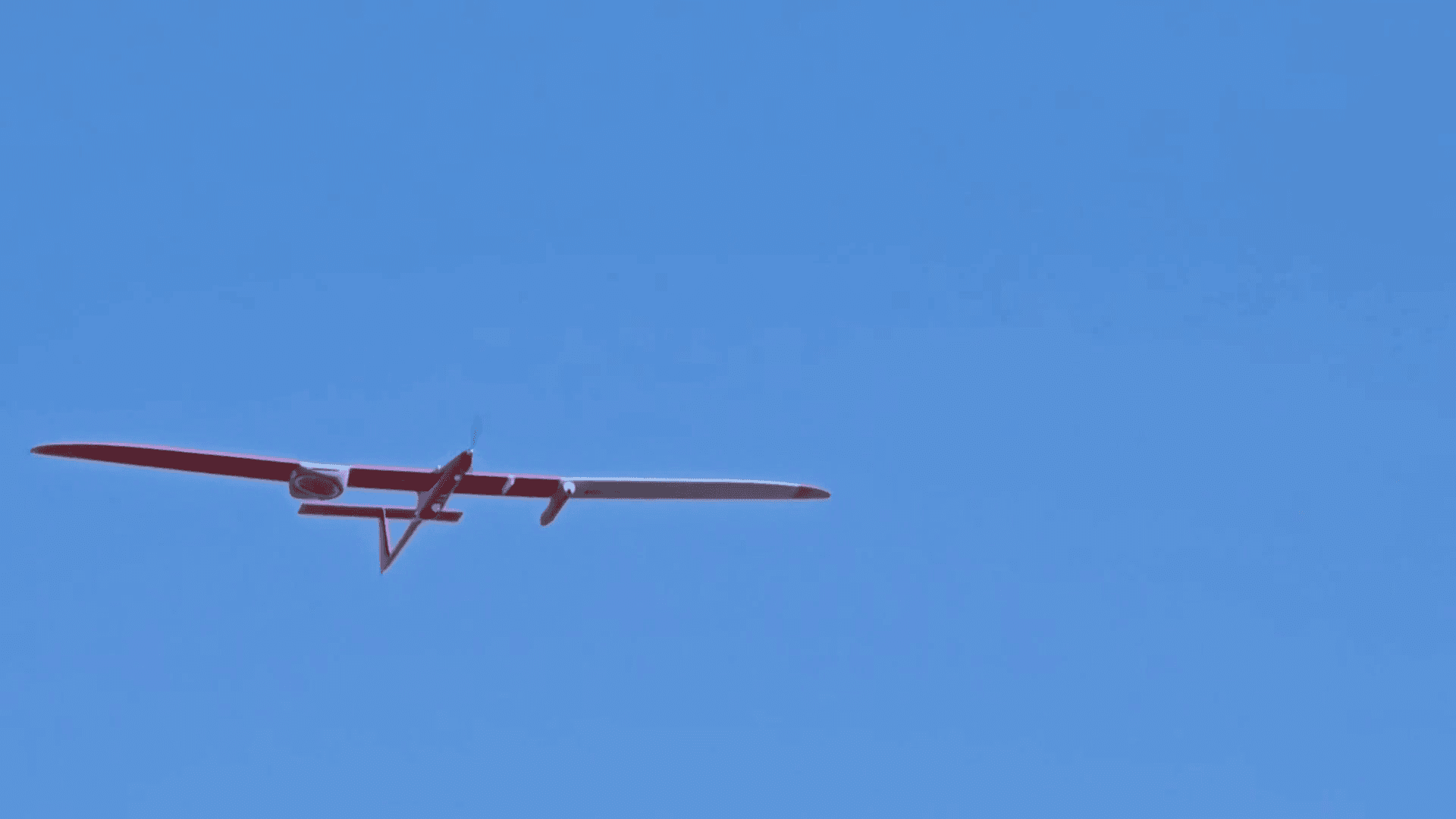
The US Department of War’s Operational Energy - Innovation (OE-I) Directorate has awarded a contract to PowerLight Technologies to develop a laser-based system for wirelessly recharging drones mid-flight. The Aerial ReCharge (ARC) system aims to extend drone endurance and reduce operational risks by enabling in-flight power transmission.

Editor, Lazyfounder
30 SEC SUMMARY
- The US Department of War’s Operational Energy - Innovation (OE-I) Directorate has partnered with PowerLight Technologies to develop Aerial ReCharge (ARC), a laser-based system for wirelessly recharging drones in flight.
- ARC uses directed laser technology, or 'power beaming,' to transmit energy over long distances, enabling drones to recharge without landing.
- The system aims to extend drone mission endurance, reduce risks in contested environments, and eliminate the need for battery swaps.
- Development is underway at Shaw Air Force Base, South Carolina, with plans to support various drone classes.
TABLE OF CONTENTS
KEY HIGHLIGHTS
- The US DOW’s Operational Energy - Innovation (OE-I) Directorate awarded a contract to PowerLight Technologies to develop the Aerial ReCharge (ARC) system, a laser-based remote recharging solution for drones.
- ARC uses optical power beaming to wirelessly recharge UAVs and their payloads while in motion, up to 5,000 feet away.
- The system includes an autonomous transmitter that follows drones during flight, enabling in-flight recharging without landing.
- The technology is designed to extend mission endurance, reduce operational risks, and support various drone classes, including fixed-wing platforms and larger aircraft.
What the ARC system does
According to TechRadar, the Aerial ReCharge (ARC) system developed by PowerLight Technologies uses directed lasers to wirelessly transmit power to drones or their payloads over long distances. This technology, described as 'power beaming,' enables drones to recharge while in flight without needing to land or swap batteries.
The system consists of a wireless power beaming transmitter and a receiver installed on the drone. The transmitter is autonomous and capable of tracking and following the drone during flight, ensuring continuous energy transmission. This functionality is designed to extend mission endurance and reduce risks in contested or hard-to-reach environments.
Capabilities and target applications
TechRadar reports that the ARC system can deliver 'kilowatt-class' power to drones up to 5,000 feet away. It is intended to support a range of drone classes, from smaller fixed-wing platforms (Group 2) to larger aircraft carrying heavier payloads, such as sensors or other equipment.
The technology aims to eliminate the need for landing and battery swaps, which can save time and reduce exposure to risks in operational environments. By enabling in-flight recharging, the system could allow drones to remain airborne for extended periods, potentially indefinitely under ideal conditions.
Development and location
The development of the ARC system is taking place at Shaw Air Force Base in South Carolina, under the oversight of the US Department of War’s Operational Energy - Innovation (OE-I) Directorate. The project reflects the DOW’s focus on advancing autonomous systems and energy transmission technologies for military applications.
What this means
Lazyfounder analysis — our interpretation, not reported fact.
This partnership between PowerLight Technologies and the US DOW’s OE-I Directorate highlights a significant step forward in addressing one of the most critical limitations of drone technology: battery life. For founders and operators in the aerospace, defense, and energy sectors, the development of wireless power beaming could unlock new use cases for drones, particularly in scenarios where endurance and autonomy are critical.
While the technology is currently being developed for military applications, its potential extends to civilian industries. For example, drones used in agriculture, infrastructure inspection, or disaster response could benefit from the ability to recharge mid-flight, reducing downtime and operational costs.
The scalability of the ARC system also suggests opportunities for startups working on energy transmission or drone hardware. If proven effective, this technology could become a standard feature for long-endurance drones, creating demand for complementary solutions like advanced battery systems or AI-driven flight optimization.
However, challenges such as safety, efficiency, and regulatory approvals will need to be addressed before widespread adoption. Founders should keep an eye on these developments, as they could shape the future of autonomous systems and energy innovation.
Key takeaways
- Founders in aerospace, defense, and energy sectors should monitor wireless power transmission advancements, as they could enable new drone applications and reduce logistical challenges.
- The ability to recharge drones mid-flight could transform autonomous systems, particularly in industries like surveillance, logistics, and emergency response.
- Power beaming technology may have civilian applications, such as remote energy transmission for infrastructure or disaster relief, presenting opportunities for cross-industry innovation.
- Startups developing drone or energy technologies should consider partnerships with defense or government agencies to accelerate R&D and adoption.
FAQ
What is the Aerial ReCharge (ARC) system?
ARC is a laser-based wireless power transmission system developed by PowerLight Technologies. It uses directed lasers to recharge drones and their payloads in flight, eliminating the need for landing or battery swaps.
How far can the ARC system transmit power?
According to reports, the ARC system can deliver 'kilowatt-class' power to drones up to 5,000 feet away.
What types of drones can the ARC system support?
The system is designed to work with various drone classes, including Group 2 fixed-wing platforms and larger aircraft with heavier payloads.
Where is the ARC system being developed?
The development of the ARC system is taking place at Shaw Air Force Base in South Carolina.
What are the potential benefits of the ARC system for drone operations?
The ARC system aims to extend mission endurance, reduce risks in contested environments, and eliminate the need for landing and battery swaps, enabling drones to remain airborne for longer periods.
Related on Lazyfounder
Sources
- TechRadar · 2026-10-14
US DOW invests in wireless laser self-charging tech to keep autonomous drones airborne almost indefinitely — ARC can deliver 'kilowatt-class' power to units 5,000 ft away
This story is an original summary drafted with AI by Lazyfounder from the reporting listed above and checked by automated validation. Facts are attributed to their original publishers; sections marked as analysis are Lazyfounder's. Where a source is in another language, facts were machine-translated and quotations are reported, not reproduced. Read the original coverage via the links, and see our AI policy and corrections policy.

About the author
Editor, Lazyfounder
Tarun Mottlia edits LazyFounders, covering Indian startups, funding rounds, AI and product launches. Every story on the site is AI-assisted and checked against its cited sources before publication.
More stories by Tarun MottliaGet the LazyFounder Brief
Startup, funding and AI news in a five-minute read. Join the early-access list.
