
US data center expansion could erase 15 years of emissions progress, Sierra Club warns
A new assessment by the Sierra Club warns that the rapid expansion of data centers in the US could reverse 15 years of progress in reducing greenhouse gas emissions. The report projects that CO2 emissions from data centers may reach 460 million metric tons by 2030—equivalent to Mexico’s annual emissions—due to increased reliance on natural gas and grid constraints.

Editor, Lazyfounder
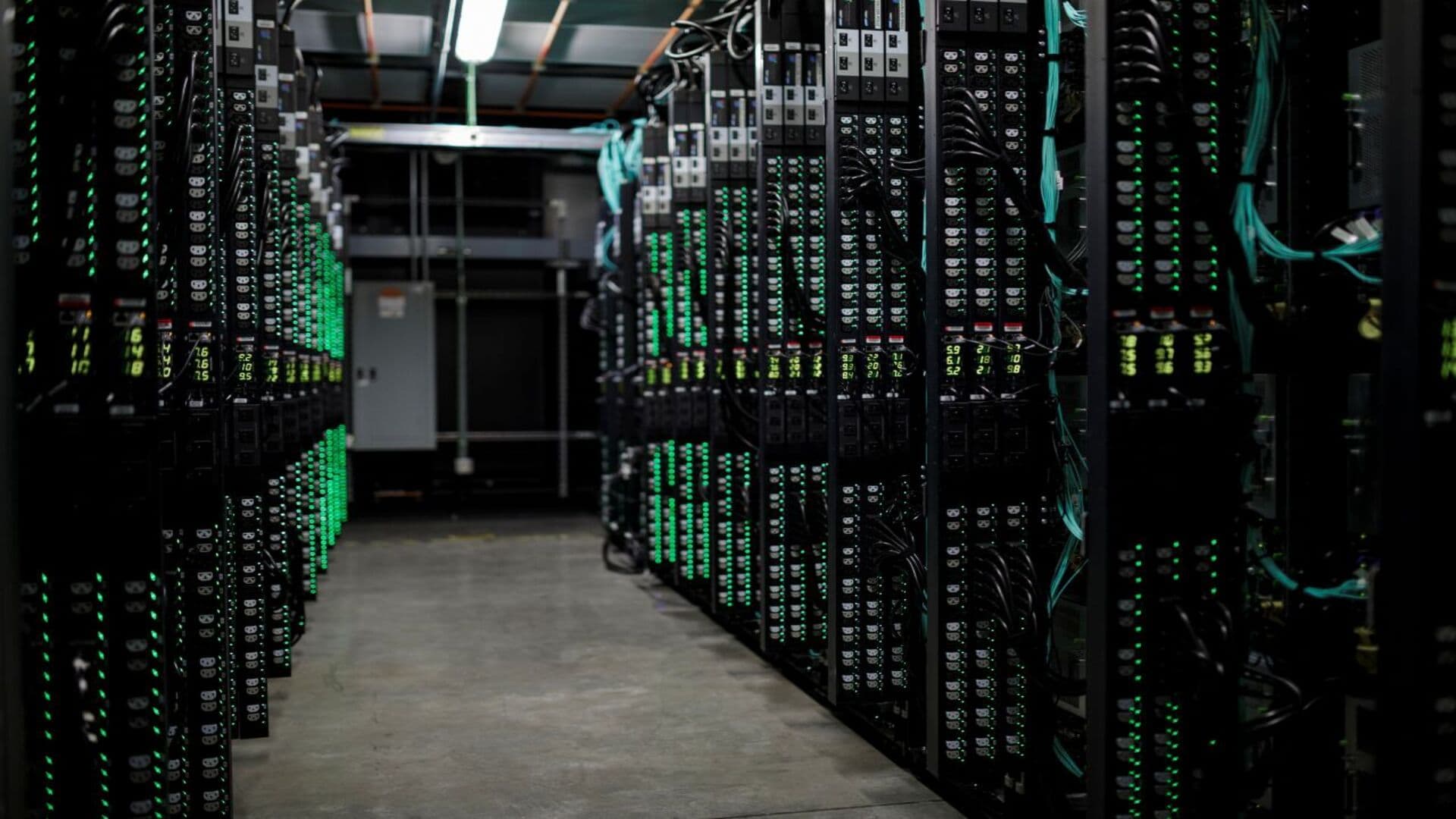
Emissions surge and grid constraints
The Sierra Club’s latest assessment warns that US power-sector emissions could rise 42% above 2025 levels by 2030 due to the rapid expansion of data centers. This surge would reverse 15 years of progress in reducing greenhouse gas emissions, with projected CO2 emissions reaching 460 million metric tons—equivalent to Mexico’s annual output.
Approximately 40% of American data centers currently rely on natural gas turbines for electricity, a dependence that complicates the transition to renewable energy. The report highlights rising turbine prices, which have increased by 50%, and production backlogs extending to 2032, exacerbating supply chain challenges.
Grid infrastructure is already under strain. Applications for data center construction permits exceed available electricity transmission capacity in multiple US locations. This bottleneck, combined with opposition from communities concerned about environmental and financial costs, could delay or prevent new projects from becoming operational.
Renewable energy rules and financial uncertainty
Some jurisdictions are attempting to mitigate the environmental impact of data centers through regulations. Ireland, for example, requires new data centers to source 80% of their electricity from renewable energy within six years of operation. However, such policies often include implementation periods and do not apply retroactively to existing facilities, leaving gaps in emissions reductions.
Financial instability in the artificial intelligence sector adds another layer of uncertainty. Hyperscalers, facing questions about the commercial viability of their investments, may delay or cancel projects before completion. This volatility could further disrupt plans for large-scale computing facilities and their associated emissions.
The Sierra Club’s earlier projections estimated emissions increases of 25% to 50%, but the current assessment suggests the upper limit of that range is more likely. While renewable energy requirements may offer some protection, delays in adoption could keep fossil fuel generation in the mix during critical periods of infrastructure expansion.
Transparency and regulatory gaps in data center expansion
This report follows investigations into data center transparency, including a Lighthouse Reports finding that most European data centers refuse to disclose energy and water usage. The EU’s reliance on efficiency labels instead of raw data has faced criticism for obscuring the full environmental impact of these facilities.
While the US assessment focuses on emissions, the broader conversation around data centers increasingly includes demands for clearer reporting on resource consumption. Without mandatory disclosures, operators and regulators may struggle to balance growth with sustainability goals.
What this means
Lazyfounder analysis — our interpretation, not reported fact.
The Sierra Club’s warning underscores a growing tension between technological advancement and environmental sustainability. For founders and operators in the AI and data center industries, the report signals potential regulatory and operational risks. Rising emissions could trigger stricter policies, particularly in jurisdictions already struggling with grid capacity or public opposition. Meanwhile, reliance on natural gas for power generation exposes projects to price volatility and supply chain delays, which could inflate costs or derail timelines.
For investors, the financial uncertainty in the AI sector adds another layer of risk. Projects may face delays or cancellations if commercial returns do not materialize, making it harder to secure long-term commitments for large-scale data center developments. Operators should anticipate increased scrutiny over emissions and energy sources, particularly as comparisons to national outputs—like Mexico’s annual emissions—draw public attention.
Related on Lazyfounder
Sources
- TechRadar · 2026-11-04
Experts warn building new data centers across the US could wipe out the last 15 years of greenhouse gas progress
This story is an original summary drafted with AI by Lazyfounder from the reporting listed above and checked by automated validation. Facts are attributed to their original publishers; sections marked as analysis are Lazyfounder's. Where a source is in another language, facts were machine-translated and quotations are reported, not reproduced. Read the original coverage via the links, and see our AI policy and corrections policy.

About the author
Editor, Lazyfounder
Tarun Mottlia edits LazyFounders, covering Indian startups, funding rounds, AI and product launches. Every story on the site is AI-assisted and checked against its cited sources before publication.
More stories by Tarun MottliaGet the LazyFounder Brief
Startup, funding and AI news in a five-minute read. Join the early-access list.
