

UPI to remain free for consumers, MDR may apply to large transactions
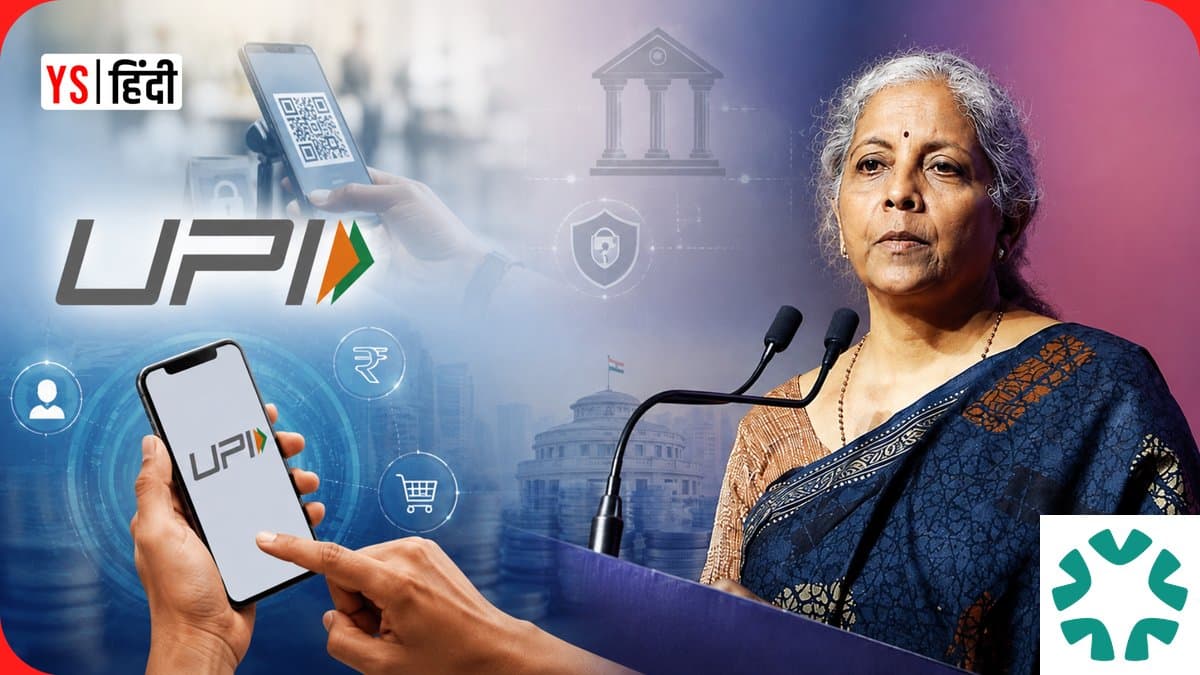
India’s Finance Minister Nirmala Sitharaman confirmed in Parliament that UPI transactions will remain free for consumers, reaffirming the government’s commitment to digital payment accessibility. However, the recently passed Taxation and Other Laws (Amendment) Bill, 2026 introduces a legal framework that could allow Merchant Discount Rate (MDR) to be applied to larger or specific transactions in the future.

Editor, Lazyfounder
30 SEC SUMMARY
- India’s Finance Minister confirms UPI payments will remain free for consumers.
- The Taxation and Other Laws (Amendment) Bill, 2026 does not propose any transaction charges or taxes on UPI for users.
- Most small-value UPI transactions will continue to be free, while larger transactions may see Merchant Discount Rate (MDR) applied in the future.
- A committee under NPCI will decide whether, when, and how MDR might be implemented for specific transactions.
TABLE OF CONTENTS
KEY HIGHLIGHTS
- Finance Minister Nirmala Sitharaman stated in Parliament that UPI transactions will remain free for consumers.
- The Taxation and Other Laws (Amendment) Bill, 2026 does not include any proposal to impose transaction charges or taxes on UPI.
- Most small-value UPI transactions will continue to be free, but larger or specific transactions may attract Merchant Discount Rate (MDR) in the future.
- The UPI Services Steering Committee, led by NPCI, will decide on the scope and structure of any future MDR.
- The bill provides a legal framework for the government to modify the current zero-MDR policy for certain electronic payment modes.
- India recorded 2,366 crore UPI transactions worth ₹29.9 lakh crore in July alone, according to the Finance Minister.
No transaction charges for consumers
Finance Minister Nirmala Sitharaman clarified in Parliament that UPI transactions will continue to be free for consumers, with no transaction charges or taxes proposed in the Taxation and Other Laws (Amendment) Bill, 2026. She stated, “Will consumers have to pay a charge on UPI? No.”
Sitharaman emphasized that UPI has been free for users since its inception and will remain so, enabling instant digital payments without additional costs for most transactions.
Potential MDR for large transactions
While small-value UPI transactions will remain free, the Finance Minister indicated that Merchant Discount Rate (MDR) could be applied to certain high-value or specific transactions in the future. MDR is a fee paid by merchants to payment service providers for accepting digital payments.
The UPI Services Steering Committee, led by the National Payments Corporation of India (NPCI), will determine the scope, applicability, and structure of any future MDR. The committee’s decision will follow the legal framework established by the new bill.
Legal framework for policy changes
The Taxation and Other Laws (Amendment) Bill, 2026, which received parliamentary approval, provides the government with the legal authority to modify the current zero-MDR policy for specific electronic payment modes. This change does not imply that all UPI transactions will attract charges but enables targeted policy adjustments.
Currently, provisions under the Payment and Settlement Systems Act and the Income Tax Act prevent the imposition of direct or indirect charges on UPI and RuPay debit card transactions. The new bill allows the government to designate which payment modes or transactions remain free.
Volume and reach of UPI transactions
According to the Finance Minister, India recorded 2,366 crore UPI transactions worth ₹29.9 lakh crore in July alone. UPI is now accepted in 11 countries, reflecting its growing adoption and role in India’s digital economy.
The government continues to prioritize digital payments, financial inclusion, and support for small businesses, aligning with its broader economic objectives.
Other provisions in the bill
Beyond digital payments, the Taxation and Other Laws (Amendment) Bill, 2026 aims to boost foreign investment and domestic electronics manufacturing. It includes tax incentives for electronics manufacturing until 2041 and simplifies processes for foreign cloud companies to use Indian data centers.
The bill also relaxes conditions for foreign portfolio investors, extending tax exemptions on interest income and capital gains from government securities. Additionally, it reduces compliance requirements for fund managers shifting their base to India, providing clarity on taxation of global income.
What this means
Lazyfounder analysis — our interpretation, not reported fact.
The government’s confirmation that UPI will remain free for consumers removes a significant barrier to digital payment adoption, which is critical for startups and businesses reliant on low-cost transactions. However, the legal framework enabling MDR for larger transactions introduces a degree of uncertainty for merchants and payment service providers. Founders and operators should track developments from the NPCI-led committee, as any future MDR implementation could impact pricing models, particularly for high-value transactions. The volume of UPI transactions underscores its centrality to India’s digital economy, making policy stability a key consideration for investors and startups alike.
Key takeaways
- Founders and operators using UPI for consumer payments can continue to offer free transactions to users, reducing friction for digital payments.
- Businesses accepting UPI payments should monitor potential changes to MDR for high-value or specific transactions, which could impact pricing strategies.
- The legal framework now allows for targeted MDR implementation, signaling a shift toward cost recovery for payment infrastructure providers.
- The volume of UPI transactions highlights its critical role in India’s digital economy, making policy stability a key factor for startups and investors.
Sources
- yourstory.com
UPI पर लगेगा चार्ज या नहीं? वित्त मंत्री निर्मला सीतारमण ने संसद में दिया बड़ा अपडेट, जानिए नए बिल में क्या बदलेगा
This story is an original summary drafted with AI by Lazyfounder from the reporting listed above and checked by automated validation. Facts are attributed to their original publishers; sections marked as analysis are Lazyfounder's. Where a source is in another language, facts were machine-translated and quotations are reported, not reproduced. Read the original coverage via the links, and see our AI policy and corrections policy.

About the author
Editor, Lazyfounder
Tarun Mottlia edits LazyFounders, covering Indian startups, funding rounds, AI and product launches. Every story on the site is AI-assisted and checked against its cited sources before publication.
More stories by Tarun MottliaGet the LazyFounder Brief
Startup, funding and AI news in a five-minute read. Join the early-access list.
