

UPI transaction volume rises 4% to record 24.51 billion in August
UPI transaction volume in India reached a record 24.51 billion in August, a 4% increase from July, even as the total transaction value declined marginally. The data underscores the rapid adoption of digital payments across smaller, more frequent transactions.

Editor, Lazyfounder
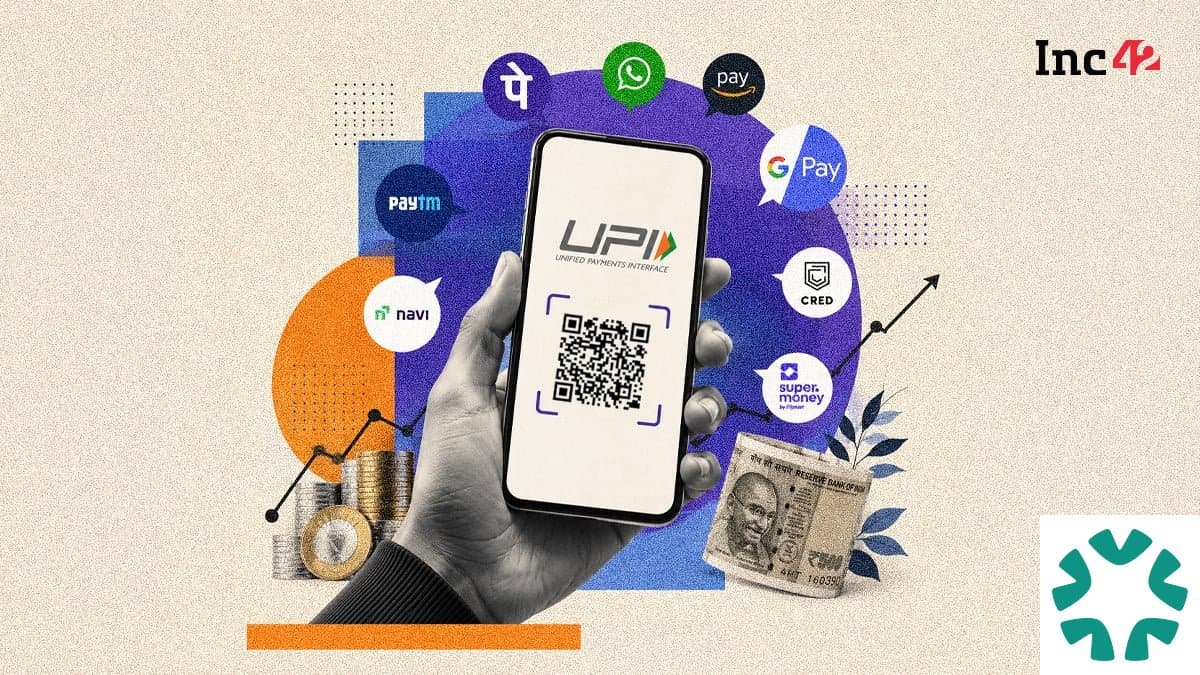
KEY HIGHLIGHTS
- UPI transaction volume reached a record 24.51 billion in August, a 4% month-on-month increase.
- Transaction value declined marginally to ₹29.82 lakh crore.
- Daily average transaction volume rose to 791 million, up from 763 million in July.
- Year-on-year growth in transaction count stood at 22%, up from 20.01 billion in August 2025.
UPI transaction volume hits new high
According to Inc42, UPI transaction volume in India reached an all-time high of 24.51 billion in August, marking a nearly 4% increase from 23.66 billion transactions in July.
The National Payments Corporation of India (NPCI) reported that this also represents a 22% year-on-year growth from 20.01 billion transactions in August 2025.
The record volume reflects UPI’s deepening integration into daily transactions, even as the ecosystem continues to address challenges like monetisation and interoperability.
Transaction value sees marginal decline
Despite the rise in transaction volume, the total value of UPI transactions in August declined marginally to ₹29.82 lakh crore.
The data shows an increase in smaller, frequent transactions, with the average daily transaction volume rising to 791 million in August from 763 million in July.
However, the average daily transaction value dropped to ₹96,205 crore, indicating a shift toward lower-value payments among users.
What this means
Lazyfounder analysis — our interpretation, not reported fact.
For founders and operators, the latest UPI transaction data underscores the scale and pace at which digital payments are being adopted in India. The record volume—24.51 billion transactions in a single month—signals that UPI is no longer just an alternative payment method but a default choice for consumers. This shift has concrete implications: startups must prioritize UPI integration in their payment stacks, optimize for low-value, high-frequency transactions, and consider how micro-payments could open new business models, such as subscriptions or pay-per-use services.
The decline in average transaction value, even as volume grows, suggests a democratization of digital payments. This trend could pressure startups to rethink pricing strategies, especially in sectors like e-commerce, D2C, and fintech, where transaction sizes are already shrinking. It also highlights the need for startups to focus on operational efficiency, as smaller transactions mean thinner margins per transaction but higher volumes overall.
For investors, the sustained growth in UPI adoption is a signal of the maturity and resilience of India’s digital payments ecosystem. It may also indicate that opportunities lie in ancillary services—such as fraud detection, loyalty programs, or cross-border UPI transactions—rather than in core payment processing, where competition is intense and monetisation remains a challenge.
Key takeaways
- UPI’s record transaction volume reflects its dominance in India’s payments landscape, making it a non-negotiable part of startup payment infrastructure.
- The decline in average transaction value signals a shift toward smaller, more frequent payments, which could impact pricing, cash flow, and business models for startups.
- Startups in e-commerce, D2C, and fintech may need to adapt to this trend by optimizing for micro-payments and exploring new monetisation strategies.
- Investors may find opportunities in ancillary services like fraud detection, loyalty programs, or cross-border UPI solutions, where competition is less saturated.
Sources
- inc42.com · 2026-09-01
UPI Transactions Rise 4% MoM To Record 24.51 Bn In August
This story is an original summary drafted with AI by Lazyfounder from the reporting listed above and checked by automated validation. Facts are attributed to their original publishers; sections marked as analysis are Lazyfounder's. Where a source is in another language, facts were machine-translated and quotations are reported, not reproduced. Read the original coverage via the links, and see our AI policy and corrections policy.

About the author
Editor, Lazyfounder
Tarun Mottlia edits LazyFounders, covering Indian startups, funding rounds, AI and product launches. Every story on the site is AI-assisted and checked against its cited sources before publication.
More stories by Tarun MottliaGet the LazyFounder Brief
Startup, funding and AI news in a five-minute read. Join the early-access list.
